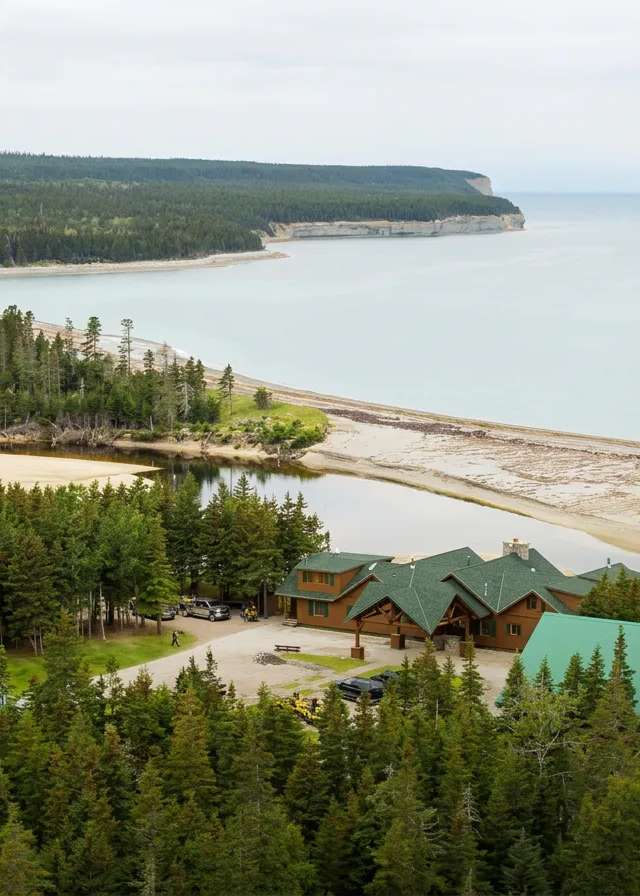
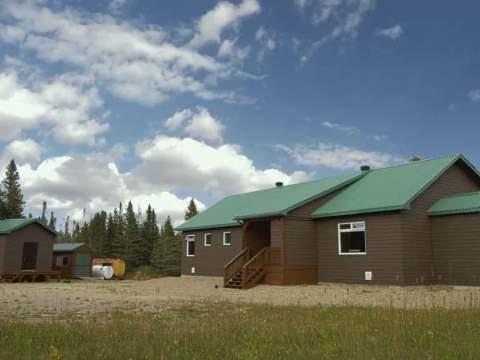
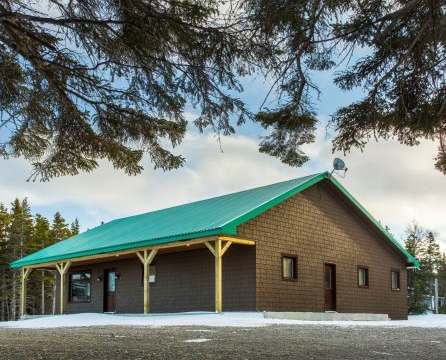
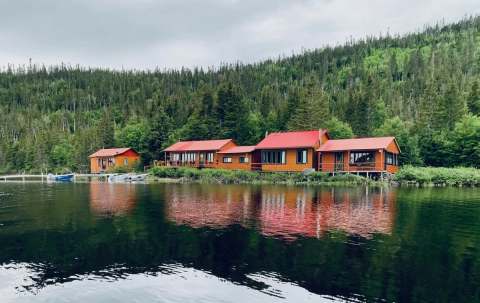
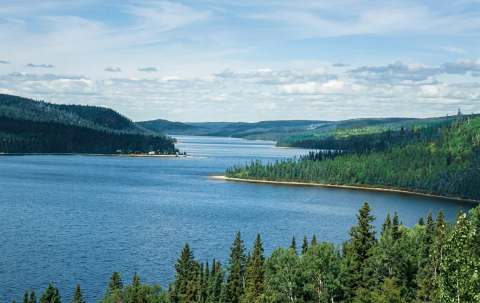
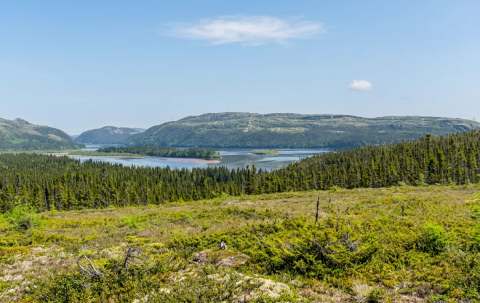
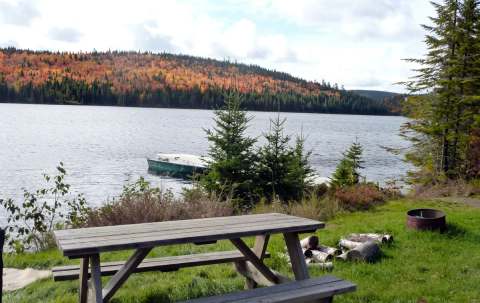
The history of the territory occupied by the Safari Anticosti outfitter is rooted in the rich past of Anticosti Island. As early as 1534, explorer Jacques Cartier described this isolated land in the Gulf of St. Lawrence as a most strange and unlucky island. In 1680, King Louis XIV granted the island to Louis Jolliet as a reward for his explorations. As the first Seigneur of Anticosti, Jolliet built the first permanent installations there and operated a salmon trade and a farm, before his buildings were destroyed by Phips' fleet in 1690.
In 1895, French chocolatier Henri Menier purchased the
+ + See more− − See less
island. Recognizing its wildlife potential, he introduced several game species, notably White-tailed deer with an initial release of 220 individuals—a population that today exceeds 50,000 head—as well as bison, elk, and hare. Port-Menier, the island's only town, was named in his honor. In 1939, the German government unsuccessfully attempted to buy the island under the pretext of forestry activities.
The Quebec government acquired the island in 1974 from the Consolidated Bathurst company to transform it into a wildlife reserve. Through the consolidation of private concessions, Safari Anticosti eventually came to hold more than 25% of the island's surface area, or 2,000 square kilometers. In 2021, the outfitter ceded a major portion of its territory to SÉPAQ to ensure the sustainability and management of Quebec's resources, retaining a private domain of 550 square kilometers in the Rivière-aux-Saumons sector. In 2023, the island's exceptional natural status was recognized by its inscription as a UNESCO World Heritage site.