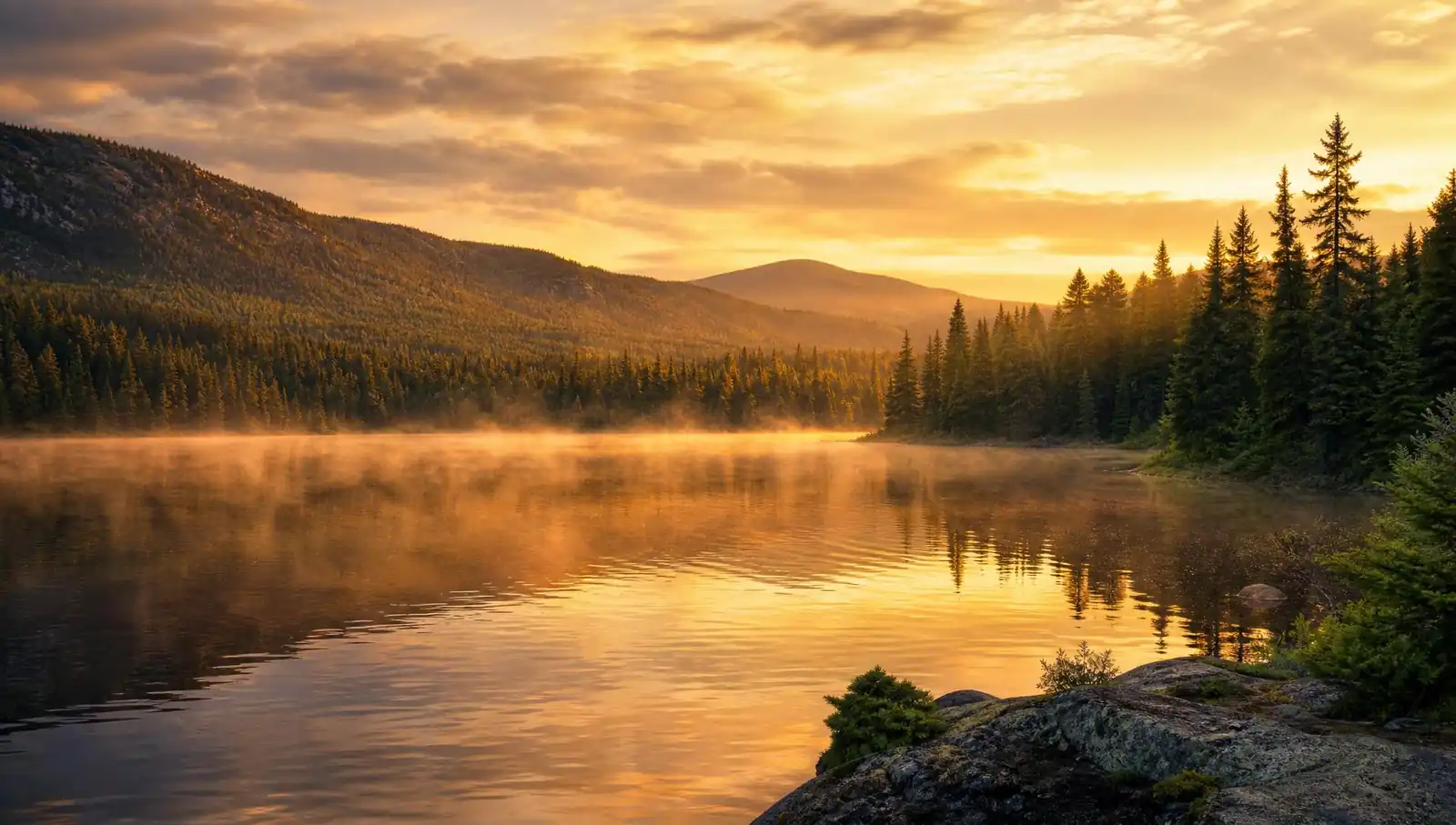
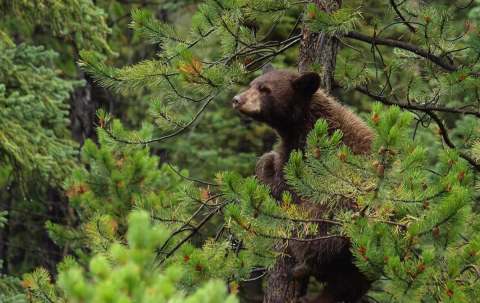
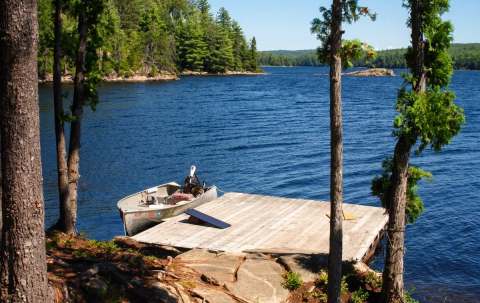
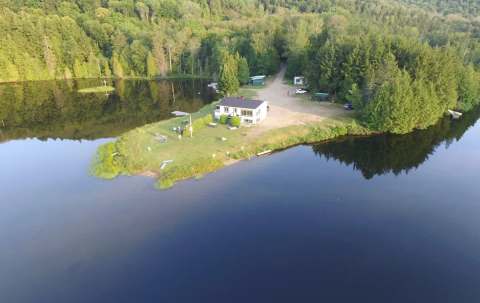
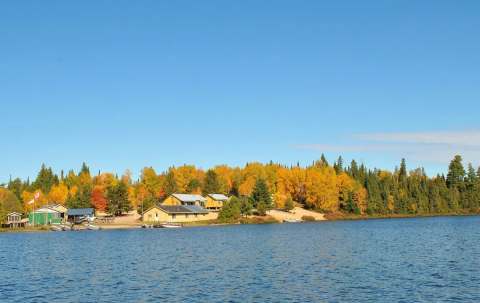
The territories presented encompass a vast diversity of ecosystems and natural habitats across the Canadian wilderness. The landscapes stretch from dense boreal forests and the vast wetlands of the Peace-Athabasca Delta to the Arctic tundra, rolling hills, aspen parkland forests, and river valleys. These environments host a wide variety of terrestrial and aquatic wildlife in their natural habitat.
Among the terrestrial wildlife observed are large mammals such as moose, caribou, and bison, including wood bison and free-roaming herds in protected areas like Elk Island, the Yukon Wildlife Preserve, and Wood Buffalo National Park. In northern regions and along the edge
+ + See more− − See less
of the ice floes, the marine and coastal environment allows for sightings of seals, walruses, and polar bears.
The aquatic spaces, including fast-flowing rivers, deltas, and large crystalline lakes, provide prime habitats for numerous fish species. Anglers will find Arctic char in northern waterways such as the Sylvia Grinnell River, as well as salmon, trout, walleye, and northern pike in river systems like the Yukon River, the Sturgeon River, the Grand River, and the South Saskatchewan River.
In addition, nature reserves, marshes, and biospheres—such as the Beaver Hills Biosphere, Qaummaarviit Territorial Park, the Helen Schuler Nature Reserve, or Mer Bleue—serve as essential havens for birdwatching and hosting migratory species throughout the seasons.