Travel guides
Budgeting Your Hunt: The Real Cost Beyond the Package
Avoid financial surprises by planning your hunt properly. Here is a guide to the real costs, including tags, tips, taxes, and meat transportation fees.
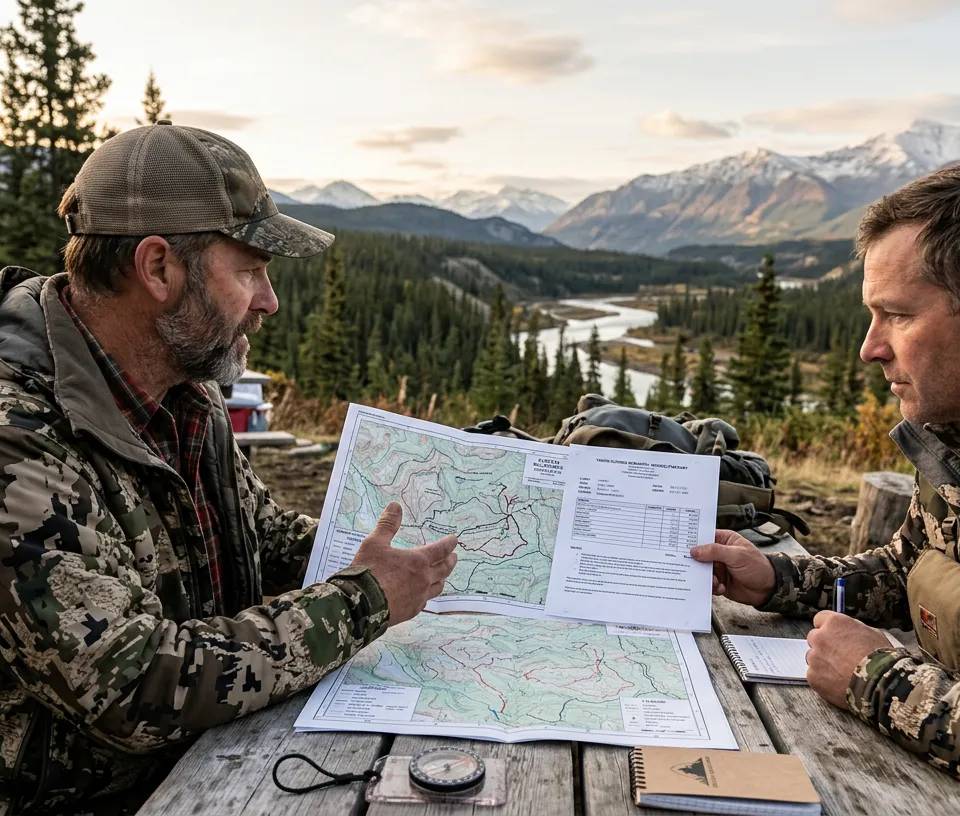
Planning a hunting trip across Canada is a significant investment, and the advertised price of a lodge package is often just the beginning. To ensure a stress-free experience, hunters must account for several variable costs that arise before, during, and after the hunt.
Licensing and Government Royalties
Government fees for hunting rights are rarely included in an outfitter's base rate. Depending on whether you are hunting Orignal or Cerf mulet, these costs change based on your residency status.
- Provincial hunting licenses. Non-resident licenses are significantly more expensive than resident ones.
- Species-specific tags. Many provinces require individual tags for big game that must be purchased separately.
- Mandatory taxes. Remember that GST, HST, or PST are usually added to the final invoice, which can represent a 5% to 15% increase.
Meat Processing and Transportation
Harvesting a large animal is a success, but it comes with logistics. Getting hundreds of pounds of meat from the field to your home freezer requires careful budgeting, especially in remote regions like Northern Ontario or British Columbia.
- Butchering services. Professional skinning, quartering, and vacuum-sealing are often charged by the pound or as a flat fee.
- Shipping and freight. If you are flying into a remote camp, expect to pay bush plane surcharges for the extra weight of the meat.
- Cooling and storage. Keeping meat chilled at the lodge or in town before your departure may incur daily storage fees.
- Taxidermy prep. Capping and salting hides for transport to a taxidermist is usually an additional service.
Gratuities for Camp Staff
Tips are a traditional way to show appreciation for the hard work of guides and camp staff. This is a real cost that should be factored into your cash reserves before you leave home.
- Hunting Guides. A standard tip ranges from 10% to 15% of the total hunt cost, reflecting the guide's effort in tracking and retrieval.
- Lodge Staff. Don't forget the cooks and housekeepers who make your stay comfortable; they are often tipped separately.
Gear, Fuel, and Incidental Expenses
Even in "all-inclusive" plans, some items might still be billed as extras. Check your contract for details on daily operations.
- Rental Equipment. If you aren't bringing your own rifle or specialized gear, rental fees apply.
- Fuel and Transportation. In European-style plans, you may be responsible for gas used in ATVs or boats.
- Ammunition. Buying rounds at the lodge is convenient but usually comes at a premium price.
How to Book and Plan Your Budget
The best way to avoid surprises is to ask for a comprehensive quote that includes all expected "hidden" fees. Transparency is a hallmark of quality Canadian outfitters. When browsing on MyOutfitters.ca, use the inquiry forms to ask specifically about meat handling and taxidermy shipping costs. Proper preparation ensures that your focus remains on the hunt, not the bill.
Frequently asked questions
Is a tip mandatory for the guide?
While not mandatory, tipping is an established industry standard representing about 10% to 15% of the package cost. It rewards the guide's long hours and technical expertise.
How much does meat processing cost?
Prices vary, but expect to pay between $1.00 and $2.50 per pound of carcass weight for basic butchering. Fees can increase for specialized cuts or vacuum sealing.
Are licenses included in the package price?
Generally, no. Provincial licenses and tags must be purchased separately as these are fees paid directly to the government, often adjusted based on your residency.
What are the meat transport fees for bush flights?
Aviation companies often charge by excess weight. For a full moose, this can represent several hundred extra dollars depending on the flight distance.
Do I have to pay for trophy exportation?
Yes, if you cross an international border, CITES permit fees or export certificates may apply, in addition to shipping and customs brokerage fees.