Travel guides
Budgeting Your Fishing Trip: The Real Costs Beyond the Package
Avoid financial surprises by learning how to calculate the extra costs of an outfitter stay, from gratuities to fuel and licenses.
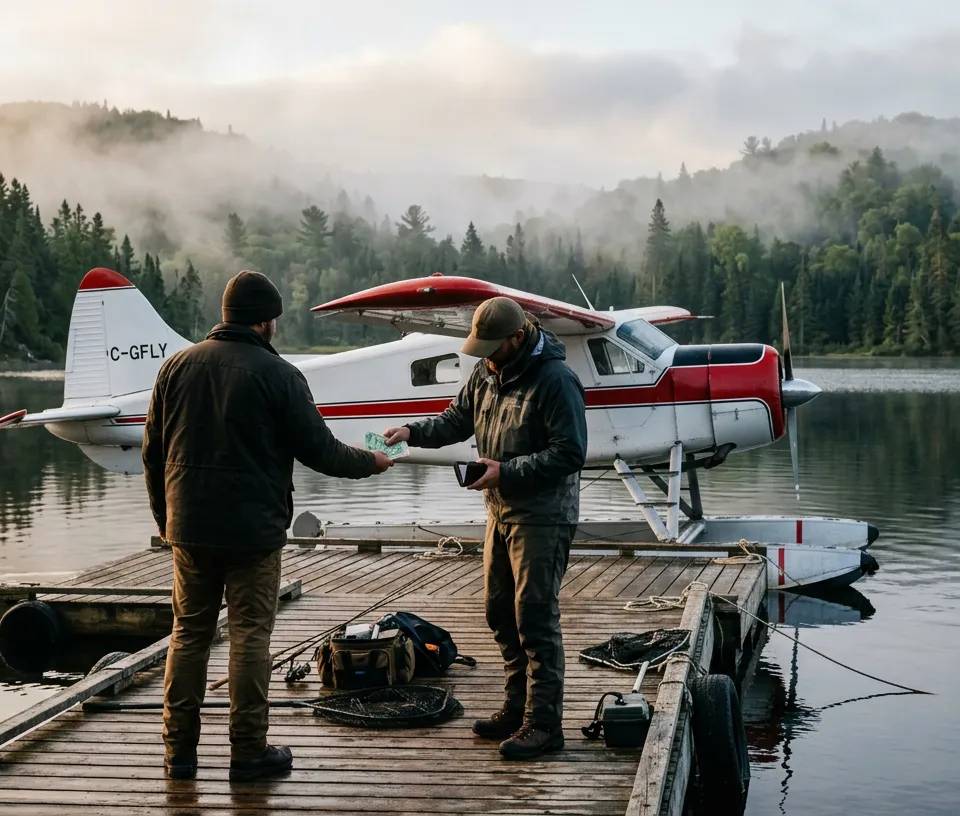
Booking a Canadian fishing adventure is a dream for many, but the sticker price of a lodge package rarely tells the whole story. To ensure your trip remains a memory of great catches rather than unexpected bills, you must account for the logistical realities of the wilderness. Experienced anglers know that the "all-in" cost typically sits 20% higher than the base rate.
Licensing and Conservation Fees
Fishing licenses are almost always an additional cost and prices vary by province and residency status. A non-resident license in Ontario or British Columbia costs significantly more than a local one. Furthermore, specific species like Atlantic Salmon or Steelhead often require specialized tags or conservation stamps. Always verify if the outfitter can issue these on-site or if you need to secure them online before arrival.
Fuel and Surcharges
In the remote reaches of the North, fuel is a precious and expensive commodity. Many boat-and-motor packages include a set amount of gas, but extra tanks for long runs to secret honey holes will be billed to your cabin. For fly-in outposts, pay close attention to weight limits. Overloading a bush plane leads to costly surcharges or the need for a second flight, which can double your transport budget instantly.
Gratuities for Guides and Staff
Tipping is a standard practice across the Canadian outfitting industry. Your guide is often the hardest working person on the lake, handling everything from navigation to fish cleaning and shore lunches. A standard tip ranges from $50 to $100 per day, per guide. Don't forget the "behind the scenes" staff—dock hands, cooks, and housekeepers also rely on gratuities. Budgeting for these in cash ensures you can show your appreciation directly at the end of the week.
Tackle, Bait, and Rentals
Unless you are on a high-end luxury trip, expect to pay for your consumables. Live bait like leeches or minnows can add up quickly over a six-day trip. If you choose not to bring your own heavy gear, equipment rentals are a convenient option but come with daily fees. Losing lures is part of the game; many lodges have small tackle shops, but prices reflect the cost of flying those goods into the bush.
Choosing and Booking Your Outfitter
Transparency is the hallmark of a great outfitter. When browsing our directory, look for clear descriptions of package inclusions. Before finalizing your booking, ask for an itemized list of potential extras. Knowing the cost of a flat of worms or a gallon of gas beforehand allows you to plan your finances with confidence. By communicating your budget expectations early, you can find a destination that offers the best value for your hard-earned dollar without any surprises on checkout morning.
Frequently asked questions
What is the recommended tip for a fishing guide?
It is customary to tip between 10% and 20% of the guiding portion of your trip, or roughly $50 to $100 per day. This is usually given in cash directly to the guide at the end of your stay.
Is fuel included in boat rentals?
Most packages include the first tank of gas, but subsequent refills are typically billed to your account. Always confirm this detail in your contract to avoid surprises at checkout.
Should I buy my fishing license in advance?
Many outfitters sell licenses on-site, but it is increasingly common to require online purchase through provincial government portals before you arrive. Ask your outfitter for their specific process.
What are the most common 'hidden' fees?
Live bait, fish freezing fees, floatplane weight surcharges, and taxes (GST/PST) are the extras most often overlooked by anglers. Always budget a buffer for these items.
Is it better to bring my own bait?
This depends on provincial regulations regarding the transport of live bait, which are strict to prevent invasive species. Buying your bait at the lodge ensures you are compliant with local laws.