Hunting
Black Bear Hunting in Quebec: Spring vs. Fall Experiences
Explore the key differences between spring and fall black bear hunting in Quebec to help you choose the best seasonal experience for your next outfitting trip.
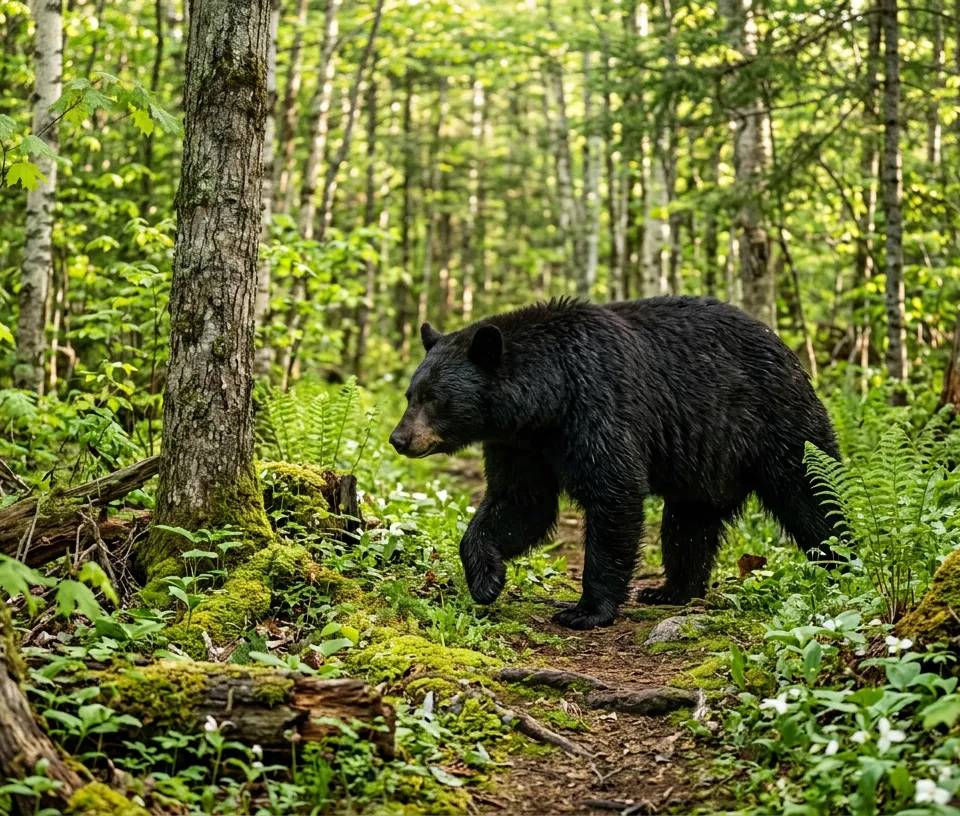
Deciding whether to hunt black bear in the spring or fall in Quebec is a choice that defines your entire wilderness experience. Each season offers distinct biological behaviors and environmental conditions that appeal to different types of hunters. This guide outlines the practical differences to help you plan a successful trip to one of Canada's premier hunting destinations.
Biological Cycles and Success Rates
Spring hunting is the most popular choice in Quebec for a simple reason: hunger. As bears emerge from hibernation, their need for protein makes them highly responsive to baiting sites. You will likely see more bears during a spring week than in the fall. In contrast, fall bears are focused on calorie loading for the winter. While they are more distracted by natural berry crops, they are at their heaviest weight of the year, providing a true heavyweight challenge for the experienced hunter.
Trophy Quality and Aesthetics
The season you choose dictates the look of your mount or hide.
- Spring Hides. The fur is long, thick, and soft. It is the gold standard for rugs, provided you hunt before the late-June shedding starts.
- Fall Hides. The coat is shorter but incredibly sleek and jet-black. Because the bear has a thick layer of fat, the animal looks much larger and more powerful, which is ideal for full-body mounts.
Terrain and Weather Conditions
Spring in the Canadian bush means vibrant greenery and long daylight hours, but also significant insect activity. The thinner foliage early in the season offers excellent visibility for spotting movement. Fall brings crisp, cool air and stunning foliage, making long hours in a tree stand very comfortable. However, the dense late-summer growth can make tracking and spotting more technical, requiring patience and sharp eyes.
Multi-Species Opportunities
Quebec outfitters excel at offering combo packages that maximize your time in the woods.
- Spring Combos. Most hunters spend their mornings targeting Doré (Walleye) or Truite mouchetée (Brook Trout) on pristine lakes before heading to their stands in the late afternoon.
- Fall Combos. This is the time for mixed-bag enthusiasts. You can often combine your bear hunt with Petit gibier (small game) like ruffed grouse or even migratory birds, depending on the region and dates.
Booking Your Outfitter
When selecting a destination, ask about the outfitter's management strategy and baiting consistency. Look for specialists in Ours noir who provide full recovery services, including tracking and skinning. Discuss the distance to the baits and the height of the stands to ensure the setup matches your physical comfort and equipment choice. Early booking is highly recommended to secure the best weeks during the peak of the spring rut or the fall harvest.
Frequently asked questions
When is the best time for fur quality?
Spring is ideal for long, thick fur, especially in May and early June. In the fall, the hair is shorter but much glossier.
Is it easier to harvest a bear in the spring or fall?
Success rates are generally higher in the spring because bears are more active around baits after hibernation. Fall often requires more patience due to abundant natural food sources.
Can you hunt bear and fish during the same trip?
Yes, it is a Quebec specialty, especially in the spring when walleye and trout fishing is excellent in the morning before the evening hunt. Many outfitters offer combo packages.
Are bears bigger in the fall?
Yes, a bear can weigh up to 30% more in the fall than in the spring thanks to fat reserves accumulated for winter. This is the ideal season to target a record-weight specimen.
What are the challenges of fall hunting?
The main challenge is competition with wild berries, which can make bears less regular at bait sites. Daylight also fades more quickly at the end of the day.