Hunting
The Ultimate Guide to Canada Spring Black Bear Hunting
Spring black bear hunting offers a thrilling return to the woods after winter. Learn how to field-judge bears, choose the right gear, and find outfitters.
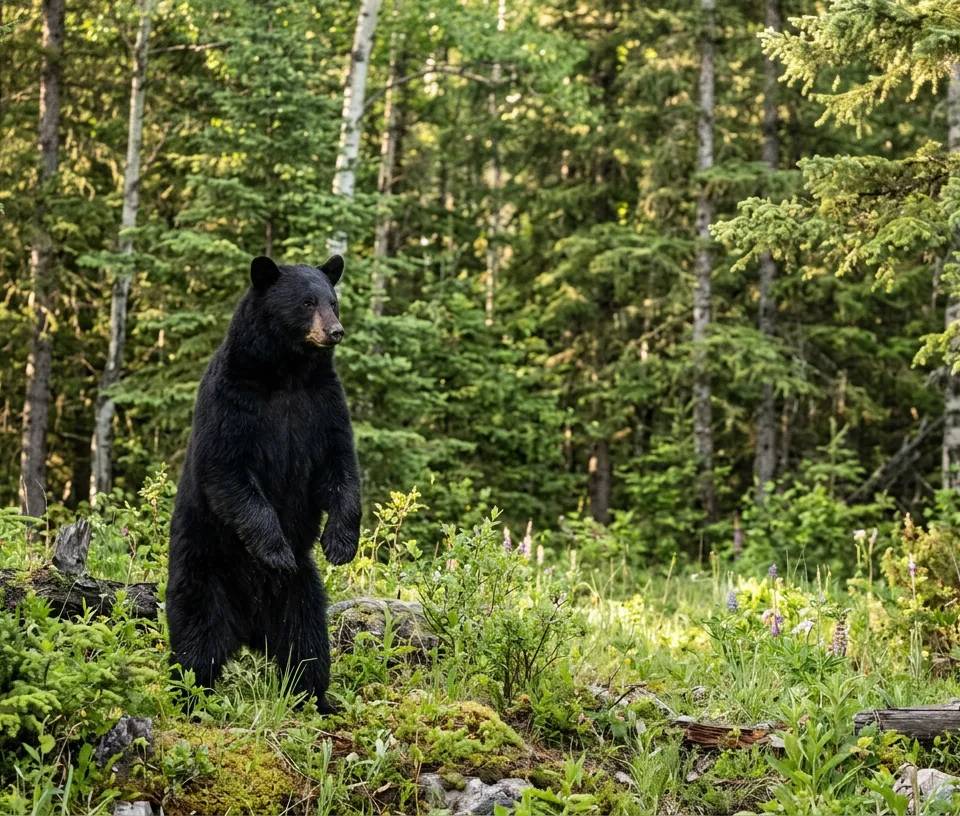
Spring black bear hunting in Canada is an exhilarating way to shake off the winter chill and return to the wilderness. Across the vast boreal forests and rugged coastlines, Canadian outfitters provide world-class setups and unparalleled expertise. Whether you are sitting patiently over an active bait site or glassing clearcuts for a spot-and-stalk adventure, this guide covers everything you need to prepare for a successful spring pursuit, from understanding bear behavior to selecting the perfect camp.
The Advantage of the Spring Season
Targeting black bears in the spring offers distinct advantages. Bears emerging from their winter dens possess prime pelts, characterized by thick, luxurious fur free from summer rubbing. Furthermore, they are highly active. Their metabolism demands massive caloric intake, compelling them to forage extensively. The lack of dense foliage in early spring also drastically improves visibility, allowing hunters to spot and observe bears from a distance to properly judge their size.
Essential Gear for the Spring Woods
Success in the Canadian wilderness requires meticulous preparation, especially given the notoriously unpredictable spring weather.
- Layered clothing: Frosty mornings can quickly give way to sweltering afternoons. Start with moisture-wicking merino wool base layers and pack a quiet, waterproof outer shell to handle sudden rain showers.
- Scent control: A black bear's sense of smell is its primary defense. Utilize scent-free soaps, store your hunting clothes in sealed containers, and consider wearing rubber boots to minimize your ground scent.
- Insect protection: Black flies and mosquitoes are fierce during the Canadian spring. A portable, heat-activated spatial repellent (like a Thermacell) is an absolute necessity, allowing you to sit dead still without being swarmed.
- Firearms and archery tackle: Outfitters universally recommend a .30 caliber rifle minimum (such as .308 or .30-06) loaded with premium, controlled-expansion bullets to ensure complete penetration through thick fat and heavy muscle.
Judging a Black Bear in the Field
Field judging a black bear is notoriously difficult. Without antlers to measure, hunters must rely on physical proportions and behavior. Outfitters emphasize taking your time to analyze specific traits before making a decision.
- Ear size and placement: A young bear will have a narrow face with tall, prominent ears that look like Mickey Mouse. A mature boar's head is broad and blocky, making his ears appear remarkably small and set far apart on the sides of his head.
- Body shape and ground clearance: Look for a deep, sagging belly that appears to ride low to the ground. A mature male will have a squared-off, massive front end with thick, heavy forelegs.
- Attitude at the bait: Mature boars carry a distinct swagger. They approach a feeding area deliberately, often moving with a slow, confident rolling gait, while younger bears tend to be nervous and skittish.
Regional Hunting Methods
Canada offers diverse hunting styles dictated by provincial regulations and geography.
In Central and Eastern Canada, baiting is the predominant method. This technique allows for close-range shots, making it highly favored by bowhunters, and provides ample time to study the animal. If this appeals to you, check out black bear hunting in Manitoba for phenomenal success rates.
Out West, spot-and-stalk hunting reigns supreme. Hunters use logging roads to glass expansive clearcuts and avalanche chutes for bears feeding on fresh green vegetation. This is a highly active, physically engaging hunt with stunning mountainous backdrops. You can explore British Columbia bear outfitters to find the perfect spot-and-stalk adventure.
How to Choose and Book Your Outfitter
Selecting the right outfitter ensures a smooth, memorable trip. Ask specific questions about their hunting areas: how large is their exclusive territory, and how many active bait sites do they maintain? Inquire about the typical shot distance so you can practice accurately from elevated treestands or ground blinds.
Spring bear dates are highly coveted, typically peaking between mid-May and mid-June. It is critical to book 9 to 12 months in advance. Finally, ask your outfitter about combo hunts. Many lodges offer incredible spring fishing for walleye or northern pike alongside the bear hunt, delivering the ultimate Canadian outdoor experience.
Frequently asked questions
What is the best caliber for black bear hunting?
Outfitters generally recommend a minimum of a .30 caliber rifle. Calibers such as the .308 Winchester, .30-06 Springfield, or .300 Win Mag are excellent choices for ensuring an ethical and effective harvest.
How do I deal with bugs during a spring hunt?
Black flies and mosquitoes can be fierce in the spring. Using a Thermacell device is highly recommended by outfitters, along with carrying a head net for times when you need to remain completely motionless.
Is baiting for black bears legal everywhere in Canada?
No, baiting regulations vary by province. It is legal and widely practiced in provinces like Ontario, Manitoba, and New Brunswick, but it is prohibited in British Columbia, where spot-and-stalk hunting is the norm.
Can I eat black bear meat?
Absolutely, spring black bear meat is delicious and is often compared to pork. However, it is critical that the meat is cooked thoroughly to a well-done temperature to eliminate any risk of trichinosis.
What is the average shot distance?
Over a baited site, shots are typically very close, ranging from 15 to 30 yards, making it ideal for archery. On a spot-and-stalk hunt out West, expect rifle shots to range between 100 and 200 yards.