Travel guides
10 Questions to Ask a Hunting Outfitter Before You Book
Avoid booking regrets with our expert due diligence checklist. Learn the essential questions and red flags to watch for when choosing your next hunting outfitter.
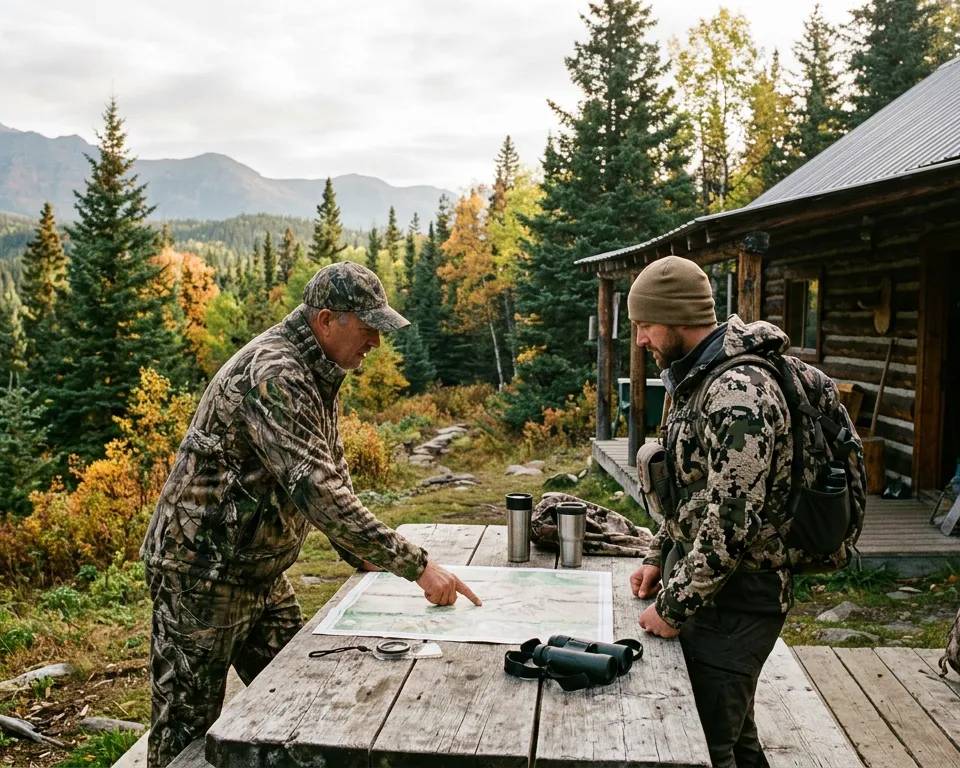
Booking a hunting trip is a significant commitment of both time and resources. To ensure your wilderness expedition meets your expectations, conducting thorough due diligence before sending a deposit is vital. This guide outlines the essential questions that separate professional outfitters from questionable operations.
Success Rates and Territory Management
A quality hunt depends on sustainable wildlife management and an outfitter's intimate knowledge of their land.
- What is your actual success rate for the last three years? Be wary of 100% guarantees. A legitimate outfitter will provide a realistic average and distinguish between "opportunity rates" (shots taken) and actual harvests for species like Moose or Elk.
- How do you manage hunting pressure? Ask how many hunters are in camp at once and how long areas are rested between groups. Over-hunted zones lead to wary animals and a poor experience.
Logistics and Hidden Costs
Nothing ruins a trip faster than unexpected fees. Get a detailed breakdown of what your package truly covers.
- Is trophy handling and meat processing included? Clarify who is responsible for field dressing and transporting your Black Bear or White-tailed Deer to the locker. Ask about cold storage availability and costs for shipping meat home.
- What gear do I need to provide? Ask for a specific packing list. Knowing whether you need a high-quality sleeping bag or if linens are provided changes your preparation significantly.
- What are the transportation methods? Ensure the physical demands of the hunt (e.g., hiking steep terrain vs. using ATVs) align with your fitness level.
Guide Experience and Safety
Your guide is your most important asset in the field. Their local knowledge is the key to a productive hunt.
- Are your guides local professionals? Long-term guides who live in the region understand the local patterns of Caribou or Wolf better than fly-in seasonal staff.
- What safety equipment is carried in the field? Professional operations should have satellite communication devices (like InReach), first aid kits, and established emergency protocols for remote areas.
Red Flags to Watch For
Trust your instincts if the communication feels off during the booking process.
- Avoiding the reference check. If an outfitter cannot provide contact info for at least three hunters from the previous season, walk away.
- Vague contract terms. Everything discussed on the phone regarding dates, species, and costs should be reflected in a written agreement.
How to Select and Book Your Outfitter
Start by comparing verified operations across Canada to find the right fit for your target species. Once you have narrowed down your list and received satisfactory answers to these questions, secure your dates with a formal deposit. Always ensure you receive a signed confirmation of your booking and a clear cancellation policy. To begin your search, look into big game hunting or specialized bird hunting opportunities to find professional outfitters who value transparency.
Frequently asked questions
Should I ask for references from unsuccessful hunters?
Yes, this is crucial. Speaking with an unsuccessful hunter will tell you how the outfitter behaves when things are tough and if the effort remained high despite the lack of a harvest.
What is a realistic success rate for moose?
Depending on the region, a 40% to 70% success rate is often considered excellent for fair-chase hunting. Be skeptical of anyone claiming over 90% every single year.
Should the outfitter handle my licenses?
Many outfitters facilitate the purchase, but legal responsibility ultimately rests with you. Ask if they sell them on-site or if you need to secure them before arrival.
Is it rude to ask about the guides' age or experience?
Not at all. It is more important to ask how many years they have hunted that specific territory rather than their biological age.
How can I tell if an outfitter is legal?
Check if they are members of a recognized provincial association and ensure they hold a valid outfitter license number issued by the provincial government.