Travel guides
How to Read an Outfitter's Website Like a Pro: Green Flags and Red Flags
Learn how to spot elite outfitters and avoid outdated operations by analyzing key website details before booking your next Canadian adventure.
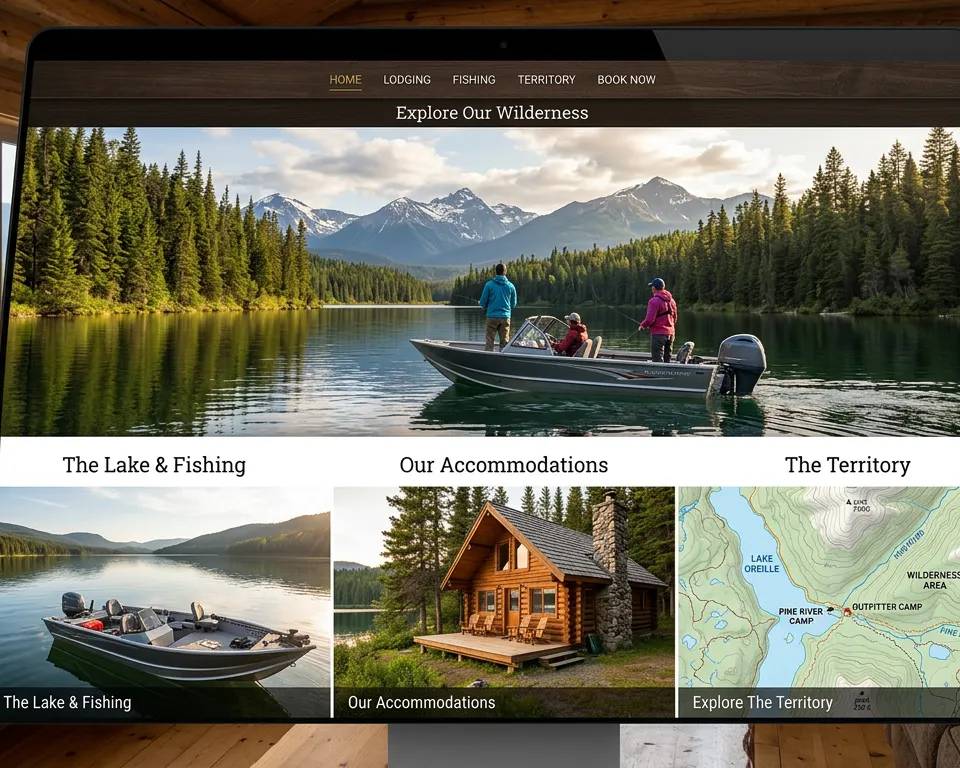
Choosing the right outfitter for a hunting or fishing trip requires more than just glancing at trophy photos. A well-maintained website often reflects the operational discipline you will experience on the ground. By learning to read between the lines, you can separate elite operations from those coasting on past reputation or outdated assets.
Evidence of Recent Activity
The most reliable green flag is current content. An outfitter who takes the time to upload photos from the most recent season shows they are active, successful, and engaged with their clientele.
- Modern Media. Be wary of websites that only feature grainy photos from the 1990s. A thriving operation showcases modern gear, current boat models, and diverse groups of happy clients from last year.
- Condition Reports. Look for blogs or news sections that mention water levels, hatch dates, or recent wildlife movements. This proves the outfitter is actually in the field, not just managing bookings from an office.
- Transparency in Lodging. High-quality operations show photos of the kitchen, bathrooms, and sleeping quarters. If a site only shows the exterior of the cabin, they might be hiding poor interior maintenance.
Granular Detail in Equipment and Services
Vague descriptions lead to logistical headaches. A professional website provides the technical details that experienced hunters and anglers need to prepare properly.
- Fleet Specifications. Instead of just saying "boats included," a top-tier outfitter lists the brand, length, and engine horsepower, along with available electronics like GPS or fish finders.
- Comprehensive Inclusions. Look for a clear breakdown of what your deposit covers. Does it include fuel, trophy prep, transportation from the bush strip, or bedding? Clarity here prevents "sticker shock" at the end of the trip.
- Territory Knowledge. Pro outfitters often share depth maps or descriptions of the varied terrain. This level of detail shows they aren't just guides, but stewards of their specific region.
- Communication Policy. Clear contact information, including a physical base location and a direct phone number, is a non-negotiable sign of a legitimate business.
Red Flags and Marketing Myths
Recognizing marketing fluff is essential for a realistic wilderness experience. If a website seems too good to be true, it likely is.
- Guaranteed Limits. Avoid operations that promise 100% success rates or specific trophy sizes. Nature is unpredictable; an honest outfitter sells the quality of the hunt and the habitat, not a guaranteed kill.
- Broken Infrastructure. If a website has broken links, missing images, or hasn't been updated in three years, it suggests a lack of attention to detail that often carries over to cabin maintenance or engine upkeep.
Booking with Confidence
After vetting a website, the final step is a direct conversation. Use the details you found to ask specific questions. If the site mentions a new fleet of motors, ask how they performed last season. A professional outfitter will appreciate your diligence and provide honest, consistent answers. To ensure a high standard of service, always use a national directory to cross-reference permits and professional memberships across Canada.
Frequently asked questions
How can I tell if the fishing photos are recent?
Look at the outboard motor models, the clients' clothing, and the image resolution. Photos taken with modern smartphones have a clarity that old scanned prints simply lack.
Is it a bad sign if the website looks old?
Not necessarily, as some outfitters spend all their time in the bush. However, the information like pricing and dates must be current to prove the business is still active.
What if the prices are not listed on the website?
This is common for custom packages. Always request a detailed written quote via email that specifies taxes and service fees to avoid surprises.
Why are client references important?
They allow you to validate if the actual experience matches the website's promises. Ask the outfitter for contact info of clients who visited in the last year.
What safety equipment details should I look for?
Look for mentions of first-aid kits, satellite radios in remote areas, and boat compliance with Transport Canada standards.