Hunting
Ontario Moose Hunting: Drive-in Access vs. Fly-in Wilderness Expeditions
Explore the pros and cons of drive-in versus fly-in moose hunting in Ontario, including tips on WMUs and securing your validation tags.
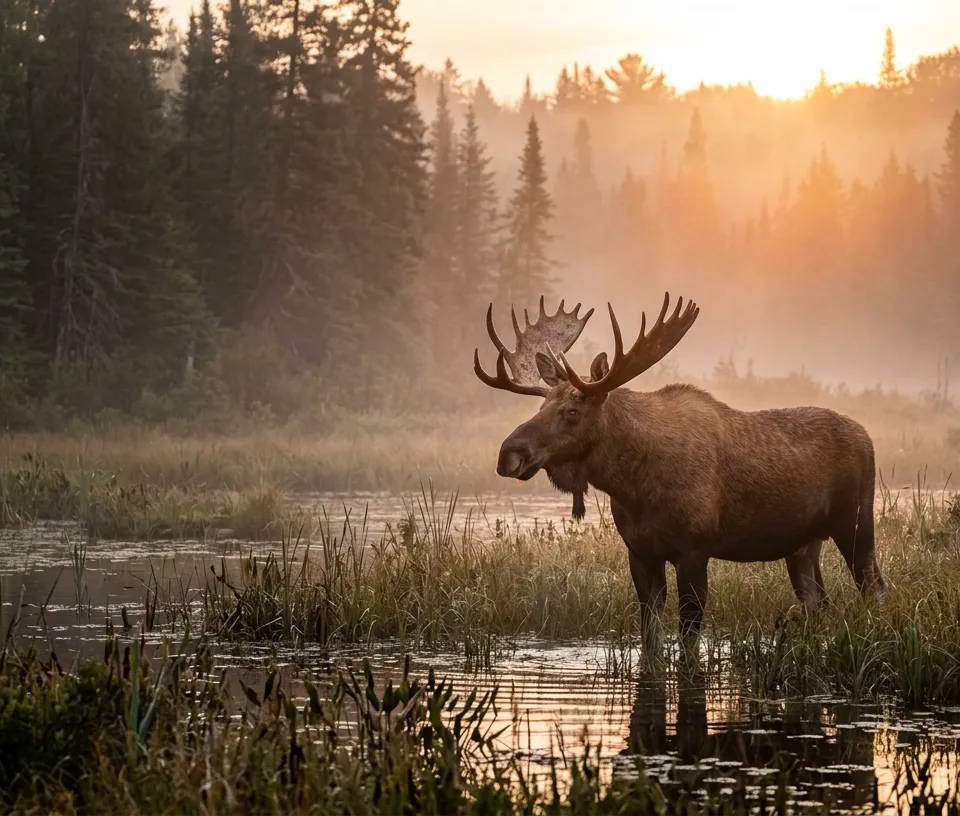
Ontario offers some of the most diverse moose hunting opportunities in North America, stretching from the rugged Algoma Highlands to the vast boreal forests of the Northwest. Choosing between a drive-in lodge and a fly-in outpost is the first critical step in planning your hunt. This decision will define your budget, the amount of gear you can bring, and the level of solitude you will experience in the Canadian bush.
Drive-in Access: Flexibility and Heavy Gear
Drive-in hunting locations are ideal for hunters who prefer to bring their own mobile camps, ATVs, and processing equipment. These areas, often reached via active or abandoned logging roads, provide excellent access to clear-cuts where moose browse on new growth.
- Gear independence. Being able to drive to your cabin or campsite means you aren't limited by the strict weight restrictions of a floatplane.
- Meat management. Having a truck and trailer on-site makes transporting a 900-pound animal much simpler, especially if you need to reach a butcher quickly.
- Tactical mobility. If the moose aren't moving in one area, a drive-in setup allows you to load up the ATVs and scout different ridges or swamps within your designated WMU.
The Fly-in Experience: Ultimate Solitude
For those seeking the pinnacle of the northern experience, a fly-in hunt takes you beyond the reach of roads. These outposts are located on remote lakes where you are often the only hunting party for miles, significantly reducing competition and human scent.
- Exclusive territory. Fly-in outfitters typically manage specific lakes or river systems, ensuring that you have a private sanctuary to call and hunt.
- Lower hunting pressure. Moose in these remote areas are less habituated to humans, making them more responsive to calling during the peak of the rut.
- Simplified logistics. The outfitter handles the flight, the boats, and the heavy camp gear. You focus on your rifle, your optics, and your personal kit.
Navigating WMUs and Tag Allocations
Ontario’s moose hunt is managed through Wildlife Management Units (WMUs). Understanding the tag system is essential before you book any trip, as regulations vary significantly between the southern and northern reaches of the province.
- Guaranteed tags. One of the biggest advantages of booking with a professional outfitter is their access to a specific allocation of validation tags. This removes the uncertainty of the provincial draw system.
- Regional differences. Northwestern Ontario (Sunset Country) and Northeastern Ontario (Algoma/Timmins) have different densities and season dates. Always verify the specific WMU rules for the year of your hunt.
Choosing the Right Outfitter
Selecting your outfitter depends on your physical mobility and the size of your group. When browsing our directory, look for outfitters who provide clear details on their moose harvest success rates and the types of terrain they cover. Ask about their retrieval services—remote hunts are thrilling, but getting a large bull out of a swamp requires a solid plan. We recommend booking at least a year in advance to secure your spot and ensure your validation tags are properly assigned to your group.
Frequently asked questions
What is the difference between an outfitter tag and the general draw?
Outfitters have a guaranteed allocation of tags for their guests, bypassing the uncertainty of the provincial lottery. This is often the most reliable way for non-residents to secure a harvest permit.
What is the weight limit for a fly-in hunt?
Limits vary by aircraft type (Cessna, Beaver, or Otter) but usually fall between 100 and 150 pounds per person. Coordinating the return flight for meat transport is crucial.
When is the best time to hunt moose in Ontario?
The rut, typically from late September to mid-October, is the best time for calling. Exact dates depend on the specific WMU and the type of hunting gear used.
Can you hunt moose with a bow in Ontario?
Yes, many units offer specific archery seasons that begin before the rifle season. It is an excellent option for hunters seeking an additional challenge.
Do non-residents need a guide to hunt in Ontario?
Non-resident hunters are required to use the services of an accredited outfitter to hunt moose in Ontario. This ensures safe and legal management of the hunt.