Hunting
Guided Moose Hunts in Canada: Outfitter Advice
Discover the top Canadian outfitters for guided moose hunts. Leverage the expertise of local guides to outsmart North America's largest big game animal.
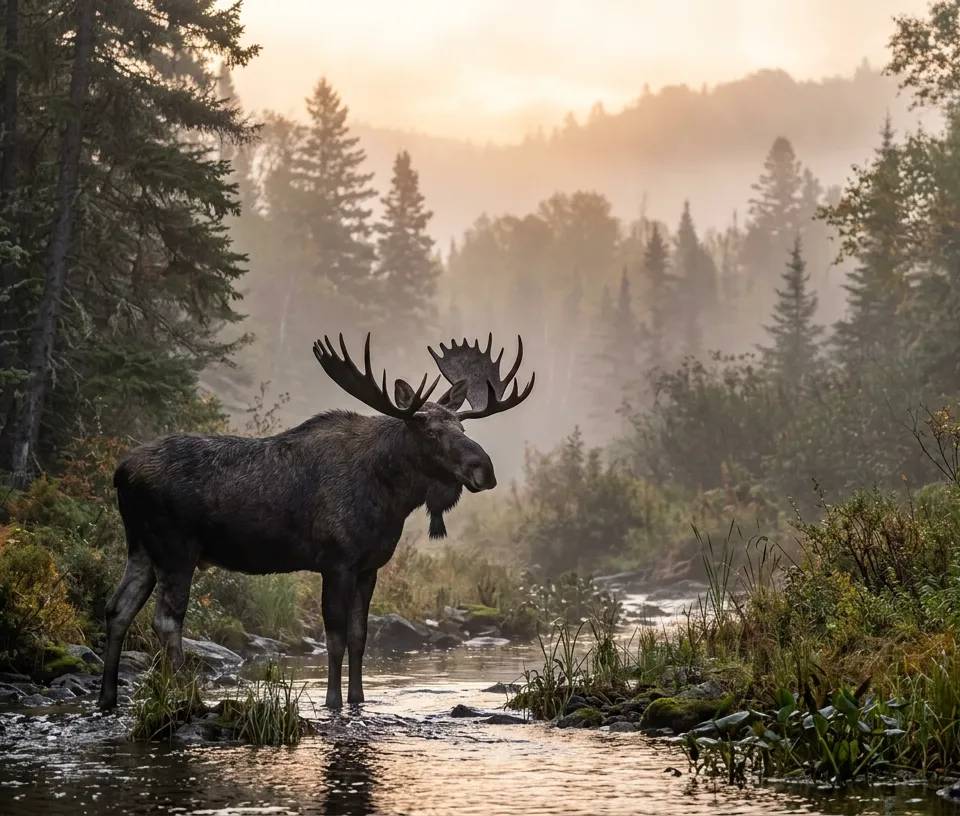
Guided moose hunting in Canada is widely considered the pinnacle of North American big game pursuits. From the dense eastern boreal forests to the sprawling mountain ranges of the west, the country offers unparalleled habitats for the largest member of the deer family. Hunting this massive animal effectively requires deep local knowledge, specialized calling techniques, and robust logistical support. Partnering with a reputable Canadian outfitter grants you access to prime territories and the seasoned expertise necessary to outsmart these elusive giants. Here is exactly what you need to know to plan a successful adventure in the Canadian wilderness.
Coast to Coast: Canada's Moose Populations
Canada is home to distinct subspecies of moose, and deciding where to go will dictate the style of hunt you experience.
- Eastern Moose: Found predominantly from Ontario through the Maritimes. Booking a moose hunting in Quebec often means hunting dense timber where calling is the primary and most effective strategy.
- Newfoundland Moose: The province of Newfoundland and Labrador boasts incredibly high moose densities. The terrain consists of open bogs and rolling hills, making it a premier destination for consistently high success rates.
- Western and Alaska-Yukon Moose: If you are chasing record-book antler spreads, the remote wilderness of British Columbia is the answer. These regions require demanding mountain hunts in breathtaking, rugged terrain.
Timing the Hunt: The Rut and Beyond
Your hunting experience will change drastically depending on the weeks you choose to be in the bush. Seasons generally align with the biological rhythms of the herd.
- The Rut: Running from late September through the first half of October, this is the premier time to hunt. Bulls are actively searching for cows and are highly responsive to calls, making for heart-pounding encounters.
- The Post-Rut: By late October, bulls have expended massive amounts of energy and retreat to thick cover to feed. Guides shift away from calling and rely on spot-and-stalk tactics near clear-cuts and active feeding areas.
Proven Guided Hunting Tactics
Canadian outfitters adapt their methods to the local geography. Expect one of these primary strategies during your trip.
- Calling: Guides use birch bark cones to mimic the long wail of a cow in heat or the aggressive grunts of a challenger bull. They also thrash bushes to simulate a rival polishing its antlers.
- Spot-and-Stalk: Highly effective in open or mountainous terrain. Hunters spend hours glassing from high vantage points before executing a meticulous, wind-conscious stalk.
- Boat and Horseback Hunts: In remote northern regions, navigating rivers by boat or packing into the mountains on horseback allows hunters to access untouched territory and makes meat extraction manageable.
Physical Prep and Essential Gear
Moose live in rugged, unforgiving environments. Being physically prepared is essential for both your safety and the success of your hunt.
- Physical Conditioning: Expect to navigate uneven, spongy bogs, step over deadfall, or climb steep ridges. Leg strength is vital, especially when packing out heavy quarters of meat.
- Apparel and Footwear: A quiet, non-reflective layering system is crucial. High-quality waterproof rubber boots are absolutely mandatory for the wet, swampy terrain you will often encounter.
- Choosing the Right Caliber: Moose are massive animals with heavy bones. Outfitters guiding Ontario big game hunts recommend calibers that deliver deep penetration, such as the .300 Win Mag or .338 Win Mag.
How to Choose and Book Your Outfitter
Selecting the right outfitter is the most critical step in planning your Canadian moose hunt. You must align your expectations and physical abilities with the outfitter's specific operation.
Start by deciding between a drive-to camp and a fly-in wilderness lodge. Fly-in hunts are more expensive but generally offer zero hunting pressure from local residents. Be completely honest with the outfitter about your physical condition; a seasoned guide will tailor the hunt to your mobility limits.
Ask specific logistical questions regarding meat care. How is the animal extracted from the bush once harvested? Does the outfitter have a walk-in cooler, and do they assist with butchering? You should also inquire about the guide-to-hunter ratio and historical success rates. Remember that the best outfits book up one to two years in advance, so early planning is the key to securing your spot.
Frequently asked questions
What is the best time to hunt moose?
The ideal time is from late September to mid-October during the peak of the rut. Bulls are highly active during this window and respond well to guide calls.
What rifle caliber is recommended for moose?
You need a powerful caliber that offers deep penetration. Outfitters generally recommend the .300 Winchester Magnum, .338, or the classic .30-06 paired with premium bullets.
Do I need to be in excellent physical shape for this hunt?
Yes, good physical conditioning is required. You will frequently navigate soft bogs, step over deadfall, and assist in packing heavy quarters of meat out of the bush.
How is the meat transported out of the woods?
Guides typically use ATVs, boats, or pack horses. In highly remote areas without vehicle access, the meat is quartered and packed out on hunters' backs using specialized frame packs.
What gear is essential for hunting in bogs?
High-quality, insulated and fully waterproof rubber boots are essential. You should also wear quiet, non-reflective layers made of wool or brushed synthetic materials.