Travel guides
Fly-In Hunting Logistics: Mastering Remote Access and Gear Prep
Master the realities of remote hunts, from bush plane weight limits to firearm regulations and handling communication blackouts in the Canadian wilderness.
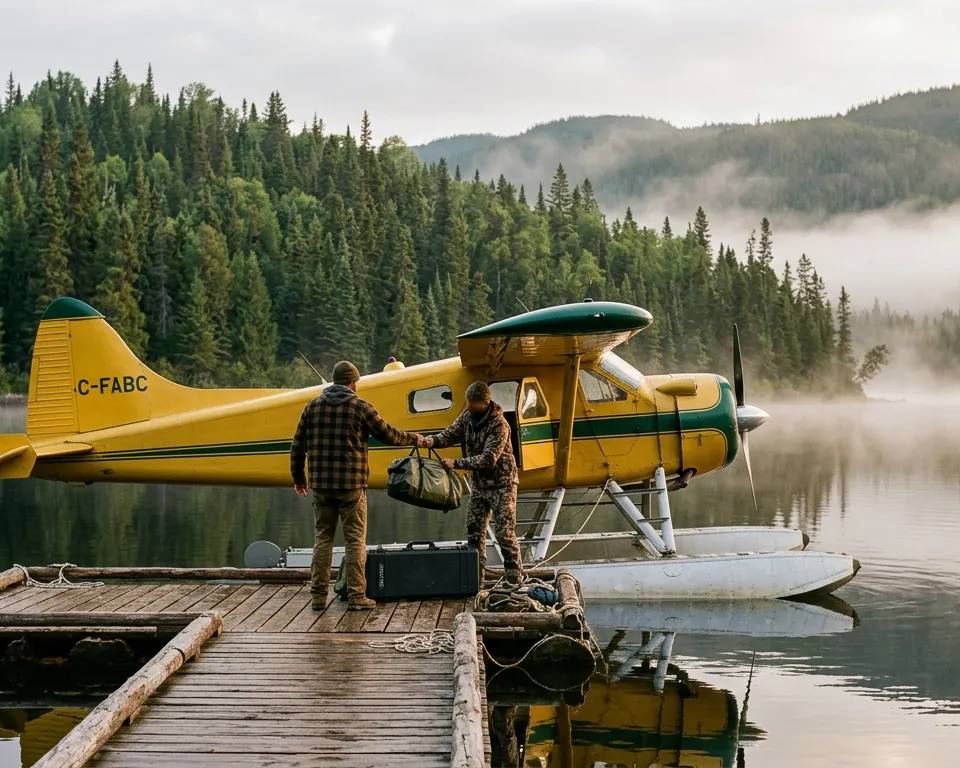
A fly-in hunting trip is the ultimate Canadian adventure, but it requires a level of planning far beyond a typical drive-to camp. Understanding the logistics of bush planes, strict weight restrictions, and communication protocols is essential for a safe and productive hunt. This guide covers the practical realities of heading off-grid to ensure your gear and your mindset are ready for the wilderness.
Navigating Bush Plane Weight Limits
When flying into remote strips or mountain lakes, weight is a matter of safety, not just convenience. Bush planes have precise load capacities that cannot be exceeded. Most outfitters will provide a specific weight allowance per hunter, often ranging between 60 and 100 pounds.
- Soft-Sided Luggage. Ditch the hard-shell suitcases. Duffle bags are mandatory as they can be squished into tight cargo bays or around aircraft struts.
- Priority Packing. Focus on high-quality synthetic or wool layers. Avoid heavy cotton which retains moisture and adds unnecessary bulk.
- The Return Trip. Remember that an Orignal or Bear harvest adds significant weight. Always clarify with your outfitter how trophy and meat transport is handled and if extra flights incur additional costs.
Firearm Transport and Legalities
Transporting firearms in Canada, especially into remote regions, involves strict compliance with federal regulations. Whether you are arriving from abroad or traveling domestically, your firearms must be handled correctly.
- Security Protocols. Firearms must be unloaded and fitted with a secure locking device. During the commercial leg of your trip, a locked hard-sided case is required. For the final bush flight, check with the pilot as they may have specific loading preferences.
- Ammunition Storage. Ammunition must be stored separately from the firearm. Ensure it is in a secure box designed for transport to prevent rattling and damage.
- Paperwork. Keep your PAL (Possession and Acquisition License) or Non-Resident Firearm Declaration forms accessible at all times. Digital copies are good, but physical papers are better in the bush.
Managing the Communication Blackout
Stepping off a floatplane often means leaving cell service behind for a week or more. While the silence is rewarding, staying connected for safety is a modern necessity.
- Satellite Messaging. Devices like satellite messengers allow you to send check-in texts to family. They are far more reliable than cell phones in deep valleys or northern latitudes.
- Emergency Plans. Ensure your outfitter has a clear emergency evacuation protocol. Most remote camps utilize satellite phones or radio systems to stay in touch with their main base.
- Power Needs. Bring a rugged power bank to keep your GPS and communication tools charged. Cold weather drains batteries quickly, so keep electronics inside your sleeping bag at night.
Booking Your Remote Expedition
Choosing the right outfitter is the most critical step in managing remote logistics. Look for operators with long-standing safety records and clear communication regarding their flight schedules. Ask about their meat handling facilities and what happens if weather grounds the aircraft for a few days. By selecting a professional outfitter through our directory, you gain access to experts who handle these complex details every day, allowing you to focus on the hunt itself.
Frequently asked questions
What is the typical weight limit for a bush plane flight?
Most outfitters allow between 60 and 100 pounds per person. This includes all your clothing, sleeping bag, firearm, and ammunition.
Can I bring a hard rifle case on the aircraft?
Yes for commercial flights, but for the bush plane, the pilot may ask you to switch to a soft case to save space and fit into the cargo pod.
How is harvested game meat transported back?
Meat is usually transported in breathable game bags. If the total weight exceeds the plane's capacity, an additional paid flight may be required.
Are satellite phones provided by the outfitter?
The main camp usually has a radio or phone, but it is highly recommended to bring your own satellite messaging device like an inReach for personal safety.
What happens if weather prevents the flight from taking off?
Weather is unpredictable in remote areas. Always build a one or two-day buffer into your travel itinerary to account for potential flight delays.