Travel guides
Decoding Outfitter Success Rates: What the Numbers Really Mean
Learn how to interpret Canadian outfitter harvest stats and discover the essential questions to ask to reveal the real odds of success on your next hunting trip.
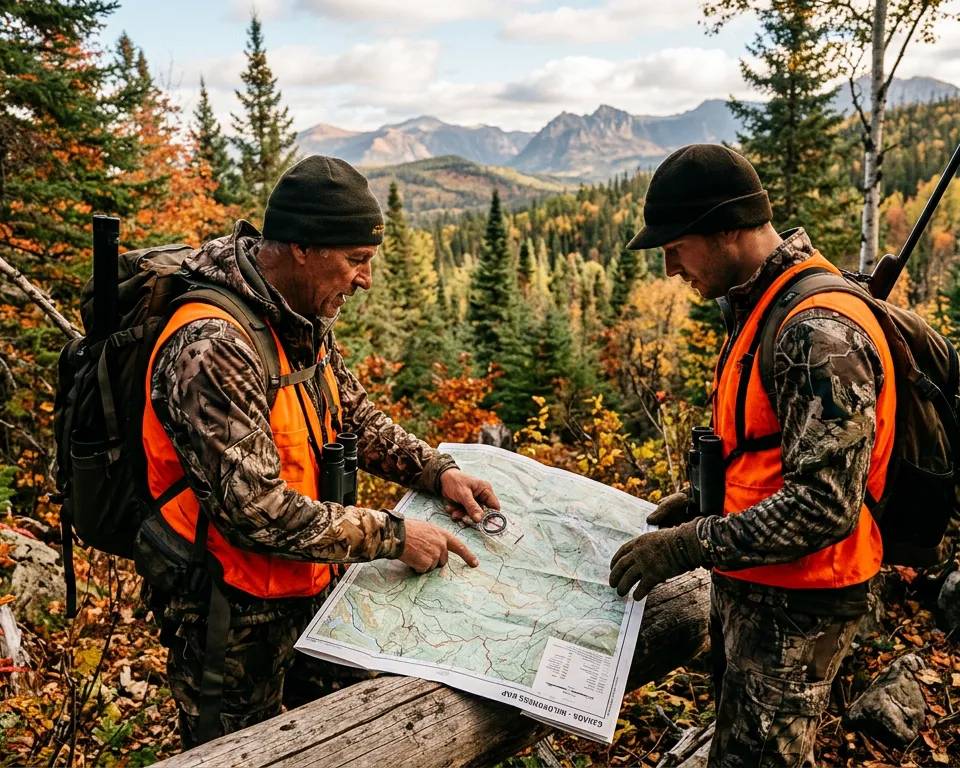
Navigating the statistics provided by Canadian outfitters requires a keen eye and the right questions. While a "90% success rate" looks impressive on a website, understanding what that number actually represents is the difference between a successful hunt and a disappointing trip. This guide provides expert advice to help you interpret these figures and assess your real odds in the field.
Success Rate versus Opportunity Rate
These two terms are often used interchangeably, yet they mean very different things. A success rate tracks the number of animals tagged and brought back to camp. In contrast, the opportunity rate is a much better indicator of the outfitter's quality and game density.
- The Opportunity Rate. This measures how many hunters had a clear, ethical shot at a legal animal. If a hunter misses or chooses not to shoot a smaller buck, the success rate drops, but the opportunity remains a win for the outfitter.
- The Human Factor. A hunter's physical fitness, shooting proficiency, and scent management all impact the final success rate, regardless of how many animals are on the land.
How Data Can Be Misleading
Not every outfitter calculates their percentages the same way. It is essential to dig deeper into how the data is compiled to avoid falling for marketing spin. Some common ways numbers are skewed include:
- Group Success. An outfitter might claim 100% success if every group of four hunters took home at least one animal. For an individual hunter, this is actually a 25% success rate.
- Selective Reporting. Some might only advertise the stats from their "premier" camps or high-fence areas while omitting results from more challenging wilderness hunts.
- Wounded Game. Ask if the outfitter counts wounded animals as a success. Most ethical operations consider a draw of blood as a filled tag, which should be reflected in their reporting.
Environmental Impacts on Success
Even the best managed territories in the Yukon or Newfoundland are subject to the whims of mother nature. A sudden heatwave during the rut can shut down movement for Orignal (Moose) or Chevreuil (Whitetail), causing success rates to plummet for reasons outside the outfitter's control.
When reviewing stats, look for consistency over a five-year period rather than just the last season. A sudden spike or dip usually points to specific weather events or changes in provincial regulations rather than the inherent quality of the outfitter's service.
Critical Questions for Your Outfitter
To get the real story, move beyond the brochure. Ask the outfitter for the success rates of the specific week you intend to book. Early season conditions differ vastly from late-season hunts.
Additionally, ask for the "re-booking rate." If 70% of their clients are repeat customers, the quality of the experience is high regardless of the harvest numbers. A reputable outfitter will also be happy to provide references from hunters who did *not* harvest an animal, as their perspective on the effort and service provided is invaluable.
Booking Your Canadian Adventure
Choosing an outfitter is an investment in time and resources. Once you have a clear picture of the odds, verify the inclusions of your package. Look for transparency regarding trophy fees, bush plane costs, and guide-to-hunter ratios. By cross-referencing stats with direct conversations, you can book your hunt with realistic expectations and total confidence in your choice.
Frequently asked questions
What is considered a good success rate for moose?
It depends on the region and hunt type. In high-density areas, 50% to 70% is excellent, while in the far north, the vast territory might make a 40% rate very respectable.
Why is the opportunity rate more important?
It measures the outfitter's ability to put you in front of game. The final success depends on your shot, but the opportunity confirms the territory is productive and the guide is skilled.
Do wounded animals count in the statistics?
Most honest outfitters count a wounded animal as a harvest (filled tag). It is important to ask how they handle these incidents in their official numbers.
Do statistics include bears of all sizes?
Yes, often. A 100% success rate for black bear might include small specimens; ask for average weights or skull sizes to gauge true trophy quality.
How can I verify an outfitter's numbers?
Ask for references from clients who hunted in the last two seasons, ideally those who did not harvest, to get a realistic picture of the effort and game density.