Travel guides
Trophy Care and Meat Processing: Logistics for Every Successful Hunt
Master the logistics of field care, meat processing, and cross-border transport to ensure your harvest returns home in perfect condition.
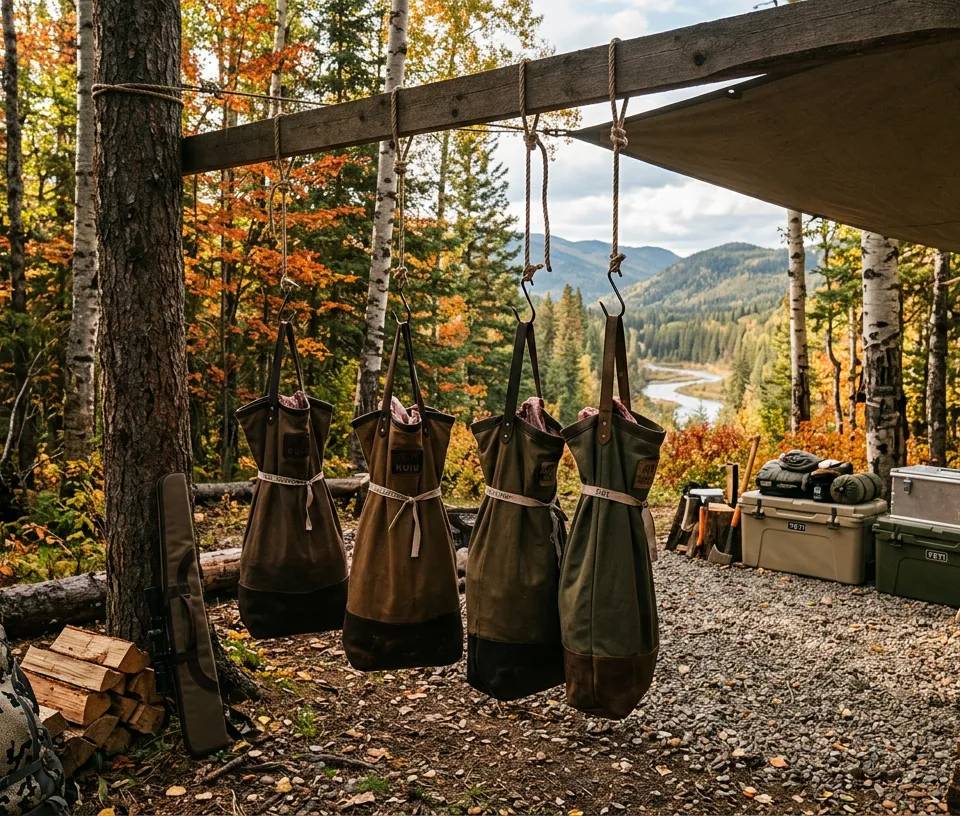
A successful hunt is a thrill, but for many, the logistics of getting hundreds of pounds of meat and a large trophy home are an afterthought. Proper field care and transport planning are just as vital as the hunt itself to ensure your organic, wild-harvested meat remains top-quality. Across Canada, from the Yukon to Newfoundland, outfitters emphasize that preparation begins long before the first shot is fired.
Immediate Field Care Priorities
Quality control starts in the field. Heat is the primary enemy of wild game, and cooling the carcass must happen rapidly to prevent spoilage.
- Airflow and Cooling. For large animals like Orignal or Wapiti, getting the hide off or the quarters hung in the shade is essential. Use synthetic, breathable game bags to protect meat from flies while allowing heat to escape.
- Handling the Trophy. If you intend to have a shoulder mount done, do not cut the throat. Learn the proper way to cape the head, leaving plenty of hide behind the front legs.
- Cleanliness. Keep the meat free of hair, dirt, and stomach contents. A clean carcass in the field leads to better yields at the butcher.
Processing and Freezing Logistics
You must decide whether to process your harvest locally or transport quarters home. Many Canadian outfitters provide on-site meat houses or have partnerships with local butchers.
- Cooler Management. High-quality rotomolded coolers are a must for long drives. Pre-chilling your coolers before loading frozen meat can add days to your travel window.
- Professional Butchery. If using a local processor, call ahead to check their turnaround times. During peak seasons, a small-town butcher may have a week-long backlog, necessitating that your meat be shipped to you later.
Crossing Borders and Regulations
Transporting wildlife across provincial or international borders requires strict adherence to game laws. This is especially true regarding Chronic Wasting Disease (CWD) regulations.
- Brain and Spinal Matter. Many jurisdictions prohibit the transport of high-risk parts. This means you may need to have your trophy skull-capped and thoroughly cleaned (European mount style) before crossing lines.
- Documentation. Always carry your original hunting license and any species-specific tags. For international hunters, CITES permits for species like Ours noir or Loup must be secured to avoid seizure at customs.
How to Select and Book Your Outfitter
When browsing MyOutfitters.ca, look for providers who explicitly mention meat handling facilities or trophy preparation services. Ask your prospective outfitter about their freezer capacity and if they have experience with US Fish and Wildlife requirements for American clients. Choosing an outfitter with an established logistical chain—from field to freezer to shipper—removes the stress from your trip. Confirm all costs for skinning, quartering, and storage upfront to avoid surprises at the end of a successful week in the bush.
Frequently asked questions
Can I bring wild game meat back to the United States?
Yes, but it must be accompanied by a valid hunting license and species identification. Some CWD-related restrictions apply, often requiring the meat to be deboned before crossing the border.
How long can meat stay in a cooler for transport?
In a high-performance cooler packed with ice or dry ice, frozen meat can stay safe for 48 to 72 hours. Ensure the meat does not directly touch melting water to prevent bacteria growth.
What is a CITES permit and do I need one?
CITES is an international treaty regulating the trade of endangered species. A permit is required to export specific animals, such as black bears, from Canada to another country.
Do I need to remove the skull plate for transport?
To cross certain borders, removing all nervous tissue is often mandatory. A bleached skull or a cleaned skull plate is the safest method to comply with health and safety laws.
Do outfitters charge extra for meat transport?
Transport from the harvest site to camp is usually included, but shipping to your home via air freight or refrigerated truck is almost always an additional cost to consider.