Travel guides
Canada Hunting Seasons Calendar: Prime Times and Peak Rut
Plan your Canadian hunting trip with our guide to peak rut timing, migratory windows, and seasonal opportunities for moose, deer, bear, and waterfowl.
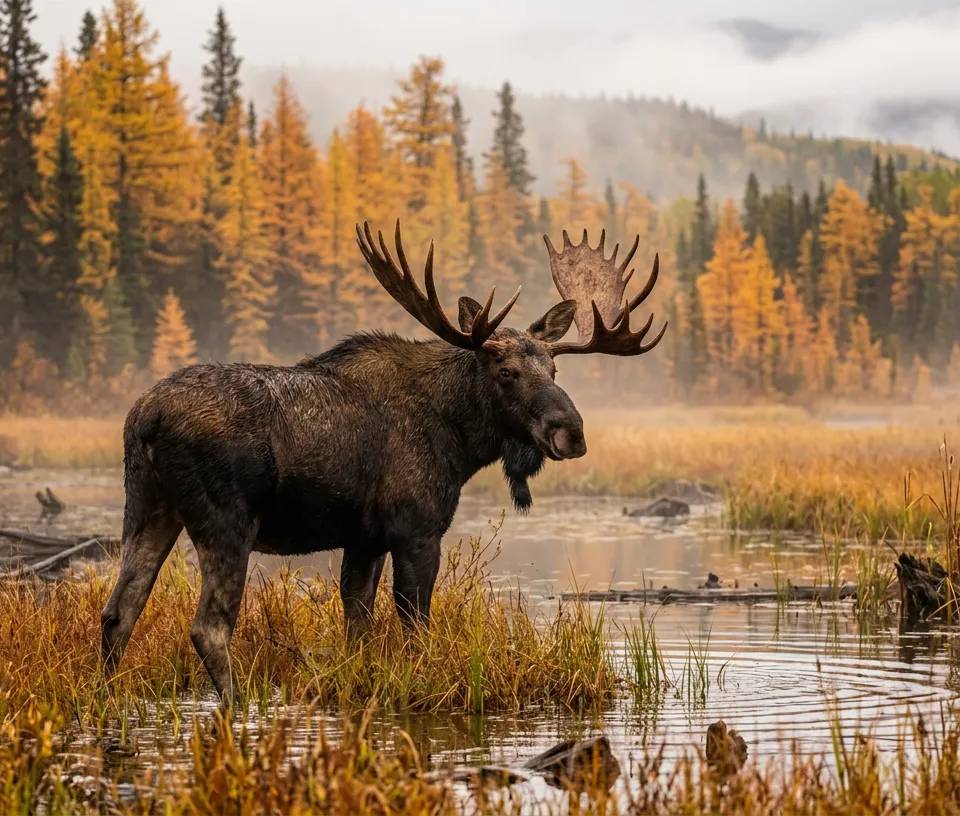
Success in the Canadian wilderness is often a matter of timing. Whether you are chasing the haunting call of a bull moose or waiting for a flock of mallards to commit to your spread, understanding the seasonal pulse of each province is essential. Professional outfitters across the country provide the local intel needed to align your hunt with peak biological activity.
Moose Hunting and the Autumn Call
Across the boreal forests of Canada, the moose rut is the most anticipated event of the year. While timing varies slightly by latitude, the window from late September to mid-October is generally the peak.
- Western Provinces. In the Yukon and Northern BC, the rut can kick off in early September due to shorter daylight hours.
- Eastern Canada. In Newfoundland and Quebec, the peak often hits in early October.
Calling is most effective during cool, calm mornings when sound carries across the ridges and lakes.
The Deer Rut: November Madness
For Whitetail and Mule deer, November is the undisputed prime time. This is when big bucks are on their feet during daylight hours, marking territory and seeking does. In the agricultural belts of Saskatchewan and Manitoba, the mid-November peak offers a chance at world-class trophies. In the denser woods of Ontario and the Maritimes, focusing on travel corridors between bedding areas is the primary strategy as the temperature drops.
Bear Seasons: Spring and Fall Opportunities
Canada is world-renowned for black bear hunting, offered in two distinct seasons. The spring hunt, typically running from May through June, focuses on bears emerging from hibernation to feed on new green growth. This is the best time for high-quality hides. The fall hunt coincides with the berry crop and salmon runs, resulting in heavier bears that are focused on caloric intake before the winter sleep.
Waterfowl Migrations and Staging
The waterfowl season follows the frost line from north to south. Early season action begins in the Yukon and Northern Prairies in early September. As the water freezes, massive concentrations of geese and ducks move into the grain fields of the central provinces. By October, the coastal regions and the Great Lakes see peak numbers of migratory birds, providing diverse opportunities for both field and water setups.
Choosing and Booking Your Outfitter
When selecting an outfitter, prioritize those who manage their territories to minimize pressure during the off-weeks. Always ask about the specific timing of the rut in their particular management unit, as micro-climates can shift activity by a week or more. Most top-tier outfitters require booking 12 to 18 months in advance for prime rut dates. Ensure you clarify who is responsible for license applications, especially for species subject to limited entry draws in certain provinces.
Frequently asked questions
What is the best week to hunt moose in Canada?
The period between September 25th and October 10th is globally recognized as the peak of the rut. This is when bulls are most responsive to hunter calls.
Is it better to hunt black bear in the spring or fall?
Spring is ideal for fur quality and frequent sightings, while fall offers fatter, heavier bears. The choice depends on whether you prioritize the hide or the body mass.
When does the waterfowl migration start in the Prairies?
Action starts as early as early September in northern Alberta and Saskatchewan. The bulk of the migration moves through the central provinces during October.
Is the deer rut the same everywhere in Canada?
Generally, the peak occurs around mid-November. However, intense cold in the West can concentrate activity into a shorter window compared to the East.
Do hunting dates change every year?
Yes, provincial regulations often adjust opening dates by a few days. Always check official hunting summaries or ask your outfitter for the current year's specifics.