Hunting
Black Bear Hunting in Canada: When and Where to Optimize Your Hunt
Explore the top provinces and optimal seasons for black bear hunting in Canada. Our expert tips will help you choose the right strategy for a memorable trip.
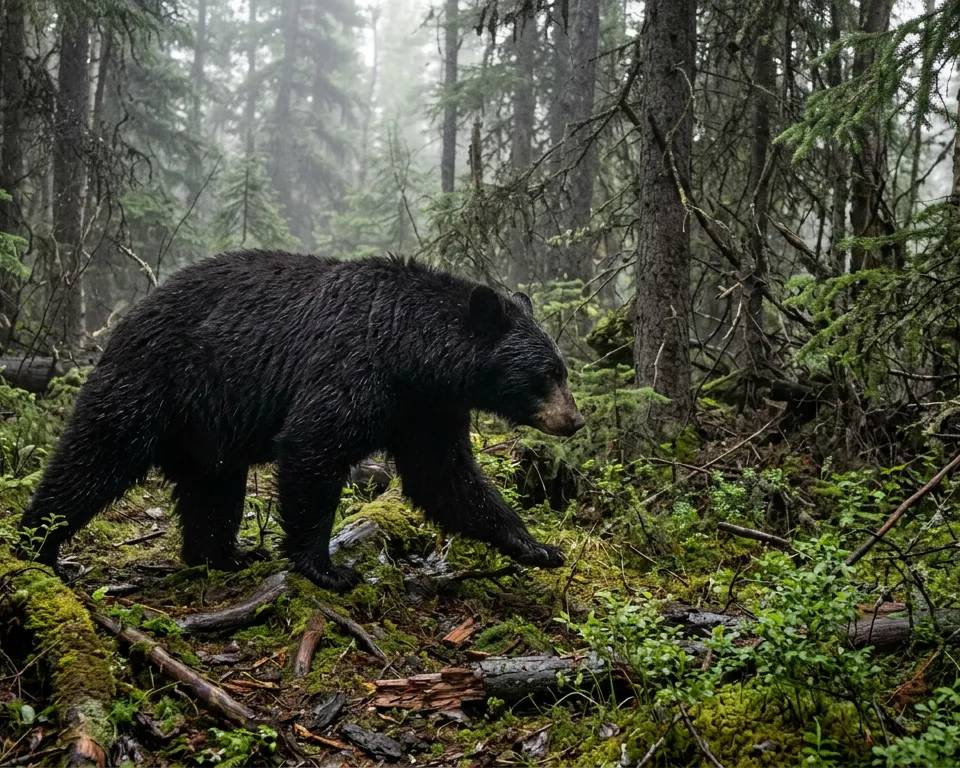
Black bear hunting in Canada stands out as one of North America’s premier big game adventures. With a thriving population spanning from the Atlantic to the Pacific, the vast Canadian wilderness offers unmatched opportunities for a successful harvest. To truly optimize your experience, understanding how seasons and geography dictate bear behavior is essential.
Choosing the Right Season: Spring vs. Fall
The most critical decision you will make is timing your hunting trip. Each season offers a completely different dynamic in the woods.
- The spring advantage. Running from May through mid-June, the spring season targets bears freshly emerged from the den. Their primary drive is to consume calories and regain body weight. Hides are generally in exceptional condition before the summer rub sets in. This is the ideal time for bait hunting in the central and eastern provinces, or spotting bears grazing on open mountain slopes in the West.
- The fall harvest. During September and October, bears enter a state of hyperphagia. They feed constantly on berries, nuts, and agricultural crops to build fat reserves for winter. A fall bear will be significantly heavier and blockier. This season also offers fantastic cast-and-blast combinations or pairing your trip with upland bird hunting.
Top Hunting Methods Used by Canadian Outfitters
Professional guides adapt their strategies to their specific local terrain. Here are the most prevalent methods you will encounter:
- Baiting strategies. Extremely popular in Ontario, New Brunswick, and the Prairie provinces, baiting requires weeks of intense preparation. Outfitters establish active feeding sites well before you arrive. You will typically hunt from a treestand or ground blind, allowing ample time to observe the animal, judge its size accurately, and execute a clean shot.
- Spot and stalk. This technique dominates the mountainous regions of British Columbia and Alberta. The rugged terrain and sprawling logging blocks provide excellent visibility. The challenge lies in glassing a mature boar, and then playing the wind and natural cover to close the distance undetected.
- Predator calling. Though less common, calling is incredibly thrilling. Using vocalizations that mimic a distressed fawn triggers a bear’s predatory instinct, often leading to very fast, up-close encounters that require steady nerves.
Prime Canadian Regions for Black Bear
While black bears inhabit nearly every corner of the country, certain regions stand out for their specific hunting styles and trophy potential.
- The mountainous West. British Columbia and Alberta are famous for producing high numbers of color-phase bears. It is quite common to encounter animals with beautiful cinnamon, chocolate, or even blonde coats.
- The Prairie boreal fringe. Northern Saskatchewan and Manitoba are legendary for producing massive bodies and true trophy-class skulls. Exceptional genetics combined with rich food sources allow these bears to grow to staggering sizes.
- The sprawling East. Quebec, Ontario, and New Brunswick boast incredibly dense populations. The endless tracts of mixed and coniferous forests provide ideal habitat, and outfitter success rates in these regions frequently sit near 100%.
Gear Preparation for the Boreal Forest
Proper gear will make the difference between an enjoyable hunt and a miserable sit in the woods.
- Firearm and caliber. Black bears are tough, heavily-boned animals with a thick layer of fat. Most guides recommend starting with a .308 Winchester or .30-06 Springfield. Bowhunters need razor-sharp, fixed-blade broadheads and practice shooting from elevated positions.
- Layered clothing. Canadian weather in spring and fall is notoriously unpredictable. Pack a solid merino wool base layer, insulating mid-layers, and a quiet, waterproof outer shell.
- Scent control. A bear’s sense of smell is far superior to that of a bloodhound. Wash your hunting clothes in scent-free detergent, avoid campfire smoke, and always hunt the wind diligently.
- Bug protection. If you hunt in the spring, black flies and mosquitoes can be brutal. A full head net and a heat-based insect repellent device are absolute necessities for sitting still.
Choosing Your Outfitter and Booking the Trip
Selecting the right outfitter is the cornerstone of a successful hunt. The best operations rebook their clients year after year, so you should plan on securing your spot 12 to 18 months in advance.
Take the time to call outfitters and discuss their management practices. Ask how many hunters they take per week and how many active baits they maintain across their territory. A reputable guide will be transparent about their success rates and happy to explain how they consistently put clients on mature bears. Check out big game hunting in Ontario or explore other provincial listings in our directory to start narrowing down your choices based on your preferred hunting style and lodging expectations.
Frequently asked questions
When is the best time for spring bear hunting?
Late May and early June are typically ideal. Bears are highly active, and hide quality is at its peak before the summer heat.
What is the typical shooting distance over bait?
Most shots over an established bait site occur between 15 and 30 yards. This makes it a perfect setup for bow and crossbow hunters.
Is black bear meat good to eat?
Yes, bear meat is delicious, especially when they have been feeding on berries. However, it must always be cooked thoroughly to prevent trichinosis.
Do I need a special permit to bring my bear hide home?
If you are leaving Canada with your trophy, a CITES export permit is required by law. Your outfitter will typically assist you with this paperwork before you depart.
What safety gear is recommended in the woods?
Always carry a satellite communication device, a first-aid kit, and a powerful headlamp. Your professional guide will also accompany you when tracking any wounded animal.