Hunting
Quebec Moose Hunting: Choosing the Perfect Dates for the Rut
Learn how to time your Quebec moose hunt perfectly by comparing bull behavior and weather conditions across September and October for a successful harvest.
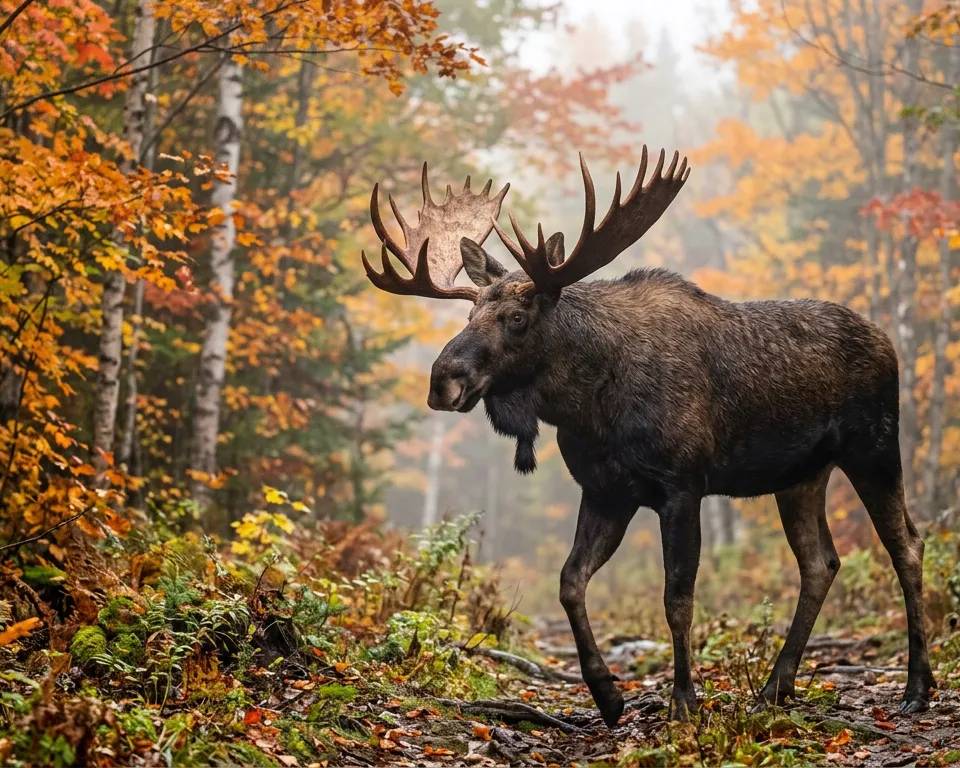
Moose hunting in Quebec is a game of timing, patience, and understanding the complex biological clock of North America’s largest cervid. Whether you prefer the mild days of early autumn or the freezing mornings of the peak rut, selecting the right window is the first step toward a successful harvest.
September: The Quiet Approach
Early season hunting typically starts in mid-to-late September. During this time, bulls are often just finishing their velvet shedding and are beginning to establish their dominance hierarchies.
- Early Calling Tactics. Since the cows are not yet in full heat, aggressive calling might backfire. Expert outfitters suggest using subtle social calls or the sound of water splashing to mimic a wandering moose.
- Habitat Focus. Bulls are often found near aquatic feeding sites or high-protein vegetation. Success in September requires covering ground and identifying fresh tracks and rubs near water bodies.
- Temperature Management. Warmer weather means moose will move less during the day. Focus your efforts on the first and last hours of legal light when temperatures are lowest.
The October Rut: High Intensity
For many hunters, the first two weeks of October represent the ultimate window. As the photoperiod shortens, the rut hits its peak, and the forest comes alive with the sounds of competing bulls.
- Aggressive Responses. Bulls become significantly more vocal and less cautious. They are more likely to commit to a call and travel long distances to investigate a potential mate or challenge a rival.
- Increased Visibility. In many Quebec regions, the deciduous canopy begins to thin by October. This provides a distinct advantage for glassing ridges and spotting movement that would have been hidden by green leaves weeks earlier.
- Frost and Movement. Cold snaps are a hunter's best friend. When the mercury drops, moose activity spikes, making them much easier to locate compared to the lethargic behavior seen in humid, warm conditions.
Regional Differences Across the Province
The timing of the rut can shift slightly depending on whether you are hunting in the southern Appalachians or the northern boreal forests of regions like Côte-Nord. Generally, northern populations may experience the peak slightly earlier than those in the south.
- Zone Regulations. Always check the specific provincial hunting zones, as gear restrictions (archery vs. rifle) often change between late September and October.
- Accessibility. Earlier hunts often allow for easier navigation of bush roads before the heavy autumn rains or early snowfalls make backcountry travel more challenging.
Choosing and Booking Your Outfitter
Selecting an outfitter is about more than just finding a cabin; it is about accessing local expertise. Professional outfitters monitor their territories year-round and can provide specific data on when the peak rut occurred in previous seasons. When booking, ask about the ratio of active bulls to cows on the territory and what equipment is provided, such as blinds or winches. Using the search tools on MyOutfitters.ca allows you to compare specialized moose hunting camps across all Quebec zones to ensure your dates align with the experience you are seeking.
Frequently asked questions
When is the best time to hear moose calling?
The peak of vocal activity usually occurs between the last week of September and mid-October. This is when bulls are most responsive to hunter imitations.
Does temperature influence hunting success?
Yes, cool or cold temperatures encourage game movement. In warm weather, moose tend to stay in the shade and move significantly less during the day.
What is the difference between hunting zones in Quebec?
Each zone has its own opening dates and gear restrictions (rifle, bow, crossbow). It is crucial to check the specific regulations for your outfitter's zone.
Should I prefer morning or evening hunting?
Both periods are excellent, but dawn is often preferred because the overnight cold makes animals more active and scents more detectable.
Can you hunt moose alone at an outfitter?
Most outfitters require a minimum group of two for safety and logistics during game handling, though some guided packages may accept solo hunters.