Travel guides
Timing Your Trip: The Best Weeks for Walleye, Pike, Trout, and Bass by Region
Optimize your fishing success by targeting peak bite windows. Learn the best weeks for walleye, pike, and trout across Canada's diverse regions.
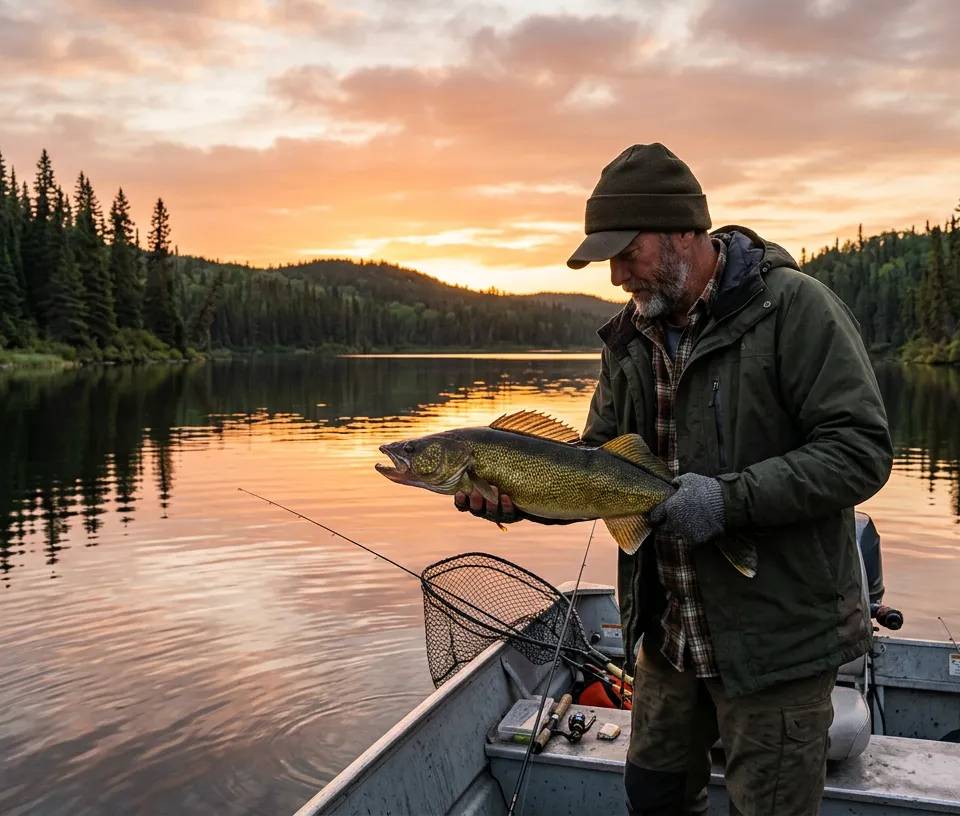
Timing is the single most important variable in Canadian angling. A week too early or a week too late can mean the difference between a record-breaking haul and a quiet boat. Across Canada’s vast geography, from the Pacific coast to the rugged Shield, fish behaviour is dictated by water temperature and photoperiod. This seasonal roadmap helps you pin down the perfect dates.
Spring Explosions: Post-Ice Walleye and Pike
In central and western Canada, including Manitoba and Northern Ontario, the late May to mid-June window is the gold standard for Walleye and Pike. As the ice recedes, the water remains oxygen-rich and shallow zones warm first.
- Walleye Staging. Focus on the first two weeks after the season opens. Fish are concentrated near spawning inlets and rocky points. Simple jigs tipped with minnows are often all you need.
- Shallow Water Pike. Big northern pike move into the warming backwater bays. This is prime time for fly fishermen or those using large spoons, as these apex predators are highly aggressive and visually oriented in the clear, cold water.
The Trout Window: June and September
For Brook Trout and Lake Trout, the calendar is a game of depth. In the higher altitudes of the Rockies or the northern reaches of Quebec and Ontario, June offers the most consistent action near the surface.
- Surface Feeding. Before the summer thermocline develops in July, large Lake Trout can be caught by trolling near the surface or casting from shore. Brook trout thrive during the massive insect hatches typical of late June.
- Late Season Surge. September brings a second peak as waters cool. In many regions, trout become beautifully coloured and aggressive as they prepare for the fall spawn, providing an excellent window for light tackle enthusiasts.
High Summer: Bass and Muskie Tactics
When water temperatures peak in July and August, warm-water species take center stage. This is the era of the Smallmouth Bass and the elusive Muskie in the southern Canadian Shield and the Great Lakes regions.
- Bass on the Reefs. Smallmouths transition to deeper rock piles and sunken islands. Using electronics to find these structures is key, and the bite remains consistent through the hottest weeks of the year.
- The Muskie Grind. Late August through September represents the start of the big fish window. As the days shorten, these giants become more active during daylight hours, making it the preferred time for targeting a personal best.
Booking for Peak Performance
Securing a spot at a top outfitter requires planning. The most productive weeks—often referred to as 'prime time'—are typically booked a year in advance. When calling an outfitter, ask about their 'ice-out' history and how it affects the bite. A professional outfitter will provide honest feedback on which weeks offer the best balance of weather and fish activity. Always inquire about the specific gear required for the season you choose, as spring and fall demands are vastly different from mid-summer tactics.
Frequently asked questions
What is the absolute best week for walleye fishing?
The first two weeks following the season opener (typically late May) are generally the most productive as fish concentrate after spawning. Fall also offers excellent opportunities for trophy-sized specimens.
When should I book for trophy trout?
Target June for surface fishing in the North, or September just before closing to take advantage of cooling waters. This is when large salmonids are most accessible.
Does weather affect bookings?
Yes, late ice-out can delay access to northern lakes. It is best to discuss historical trends with your outfitter before confirming your dates.
Is bass fishing good in August?
Absolutely, it is one of the best times for smallmouth bass as they are very active in warm waters. Look for deep rocky structures and drop-offs.
How far in advance should I book an outfitter?
For prime weeks, booking 8 to 12 months in advance is recommended. Popular outfitters often fill up very quickly for peak season dates.