Travel guides
Guided vs. Semi-Guided vs. Unguided Hunts: Finding Your Success and Budget Balance
Decode outfitter service levels to understand the difference between private guiding and land access, helping you balance hunt success with your budget.
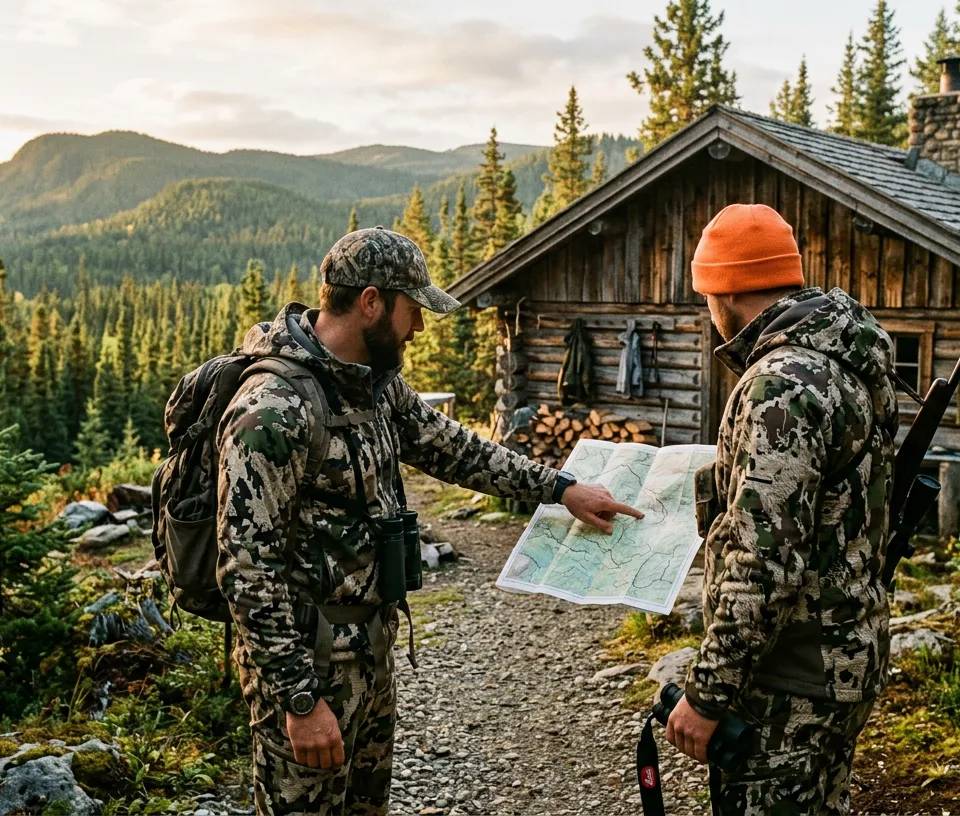
Selecting the right service level at a Canadian outfitter is the single most important factor in determining both your success rate and your total expenditure. Whether you are pursuing Orignal (Moose) in the Yukon or Ours noir (Black Bear) in the dense forests of Ontario, the terminology used in booking can significantly impact your experience. This guide breaks down exactly what you get for your money when choosing between guided and unguided options.
Fully Guided Hunts: Professional Expertise
A fully guided hunt means you have a dedicated professional by your side throughout the entire duration of the hunt. This service level is standard for high-stakes mountain hunts like Mouflon de Dall (Dall Sheep) or Chèvre de montagne (Mountain Goat). The outfitter handles everything from scouting and calling to the grueling physical task of field dressing and packing out meat.
- Constant Mentorship. You benefit from real-time tactical adjustments based on weather and animal behavior.
- Safety and Logistics. In remote wilderness, a guide manages navigation, emergency communication, and predator safety.
- Equipment Access. Many guided packages include the use of specialized vehicles, high-end optics, or horses that would be costly to provide yourself.
Semi-Guided Packages: The Strategic Middle Ground
Semi-guided hunts are a favorite among experienced hunters who want the benefit of local knowledge without the 24/7 shadow of a guide. Typically, the outfitter prepares the ground—setting up stands for Chevreuil (Whitetail Deer) or baiting stations—but leaves the actual hunting to you. It strikes an excellent balance between cost and opportunity.
- Scouting Done Right. The outfitter monitors game movement through cameras and sign before you arrive, placing you in high-percentage areas.
- Daily Transportation. You are typically dropped off at a productive location and picked up at a pre-arranged time.
- Recovery Assistance. While you hunt alone, the outfitter is usually on call to help track and haul out game once it is down.
Unguided and Drop Camps: The Ultimate Challenge
Unguided hunts, often referred to as DIY or drop camps, provide the hunter with access to a territory and basic lodging or a tent camp. This is the purest form of hunting, requiring significant self-reliance. It is the most affordable way to experience remote Canadian wilderness for species like Petit gibier (Small Game) or even big game for those with the right gear.
- Complete Autonomy. You are the master of your own strategy, allowing for total immersion in the hunt.
- Physical Demands. You are responsible for every aspect of the hunt, including the strenuous work of butchering and transporting meat back to camp.
- Cost Efficiency. These hunts offer the lowest price point, making long-duration trips more accessible for groups on a budget.
Making the Right Decision for Your Trip
Before booking, ask yourself if you are paying for the experience of the hunt or a guaranteed result. If you are new to a region or species, a guided hunt is a masterclass in local tactics. If you have years of experience and own the necessary recovery gear, an unguided hunt offers a sense of accomplishment that is hard to match. Always clarify what 'meat care' entails in your contract, as this is where expectations often differ.
Booking Your Canadian Outfitter Experience
Start by browsing our directory to filter outfitters by province and service level. Contact potential outfitters to ask about the 'guide-to-hunter ratio' and specifically what happens after a shot is fired. Once you have selected the level that matches your skills and budget, secure your dates early, as prime spots for guided hunts often book up a year in advance.
Frequently asked questions
What is the main difference between semi-guided and fully guided?
In a guided hunt, a professional stays with you at all times in the field. In a semi-guided hunt, the outfitter prepares the sites and provides transport, but you hunt alone.
Is success guaranteed with a guide?
No ethical outfitter guarantees a kill, as hunting is inherently unpredictable. However, a professional guide drastically increases your odds through local knowledge and scouting.
Does an unguided package include hunting equipment?
Generally no. Unguided packages include land access and lodging, but you must bring your own firearms, decoys, and game recovery gear.
Is tipping included in the prices?
No, tipping your guide is standard practice in Canada and is not included in the package price. It typically ranges from 10% to 20% of the trip cost.
Can I change my service level once I arrive?
This is difficult because guides are often booked months in advance. It is best to carefully evaluate your needs when signing the initial contract.