Hunting
Black Bear Hunting in Ontario: Choosing Between Spring and Fall Seasons
Compare spring and fall black bear hunting in Ontario. Learn about bear behavior, weather conditions, and how to combine your hunt with world-class fishing.
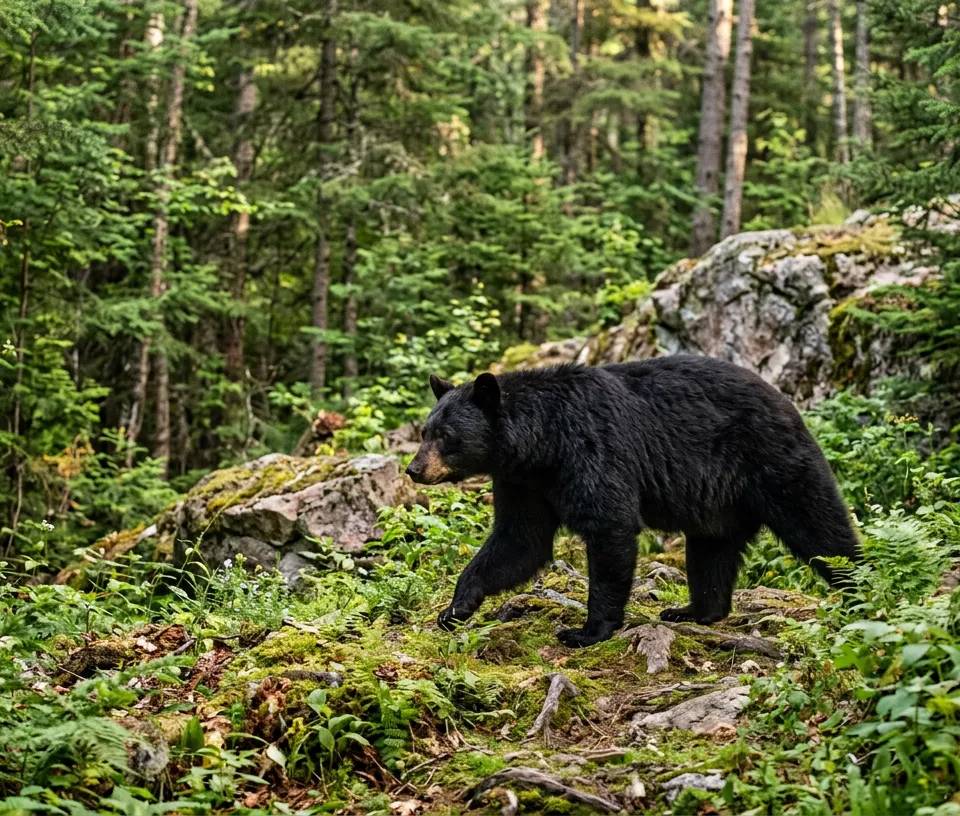
Ontario stands as a premier destination for black bear hunting, boasting some of the highest success rates and largest populations in Canada. Whether you are trekking through the rugged terrain of Algoma or the dense forests of Sunset Country, understanding the nuances between spring and fall seasons is key to a successful harvest. This guide breaks down the differences in bear behavior, environment, and multi-species opportunities.
The Spring Advantage: Visibility and Pelt Quality
The spring season, typically opening in May, finds bears emerging from their winter dens with one goal: food. During this time, the forest floor is just starting to green up, providing hunters with excellent sightlines that aren't yet obscured by thick summer foliage. Spring bears are often highly motivated to visit bait sites consistently. From a trophy perspective, spring is often favored because the hides are at their peak—thick, long-haired, and without the rubbed patches that can occur later in the year. It is also the perfect time to target large boars that are roaming extensively in search of both food and mates.
The Fall Pursuit: Weight and Hyperphagia
In the fall, black bears enter a biological state called hyperphagia, where they consume massive amounts of calories to prepare for hibernation. This makes them extremely focused on food sources. While spring bears are leaner, fall bears can be significantly heavier, often carrying a thick layer of fat that adds considerable weight to a trophy. The challenge during the fall lies in the abundance of natural food, such as blueberries and acorns; a skilled outfitter knows how to position stands to compete with these natural attractions. The cooling temperatures also make for comfortable days in the stand, though hunters must be prepared for shorter daylight hours.
World-Class Cast and Blast Opportunities
Ontario outfitters excel at providing dual-purpose trips. Because bears are most active during the late afternoon and evening, mornings are traditionally spent on the water.
- Spring Fishing. You can target Walleye and Northern Pike while they are in the shallows post-spawn. The action is often fast and furious right at the dock of your lodge.
- Fall Fishing. This is the time for "monsters." Massive Muskellunge and trophy-sized Smallmouth Bass are active, providing an adrenaline rush before you head to your afternoon hunt.
- Species Variety. Many regions also offer excellent Brook Trout or Lake Trout opportunities depending on specific local regulations and lake depths.
Preparing for the Ontario Wilderness
The environment changes drastically between seasons. Spring hunters should be ready for the "black fly season," requiring bug jackets and effective repellents. Fall hunters need to layer up for frost and unpredictable wind. Regardless of the season, Ontario requires non-resident hunters to possess an Outdoors Card and a valid license, often facilitated through a licensed outfitter who provides the necessary validation certificate.
How to Select Your Outfitter
Booking with an experienced Ontario outfitter ensures access to managed bait lines and remote territories where hunting pressure is low. When browsing our directory, look for outfitters who specialize in bear management and offer tracking and retrieval services. Ask about the success rates in their specific Wildlife Management Unit (WMU) and what kind of stand setups they provide. Booking at least six to twelve months in advance is recommended to secure the best dates, especially if you have a specific preference for the early spring opener or the peak of the fall berry crop.
Frequently asked questions
Which season is best for pelt quality?
Spring is generally better for pelt quality because the coat is long, thick, and has not yet been damaged by the summer sun or insects.
Are bears larger in the spring or fall?
Bears weigh more in the fall due to fat accumulation for hibernation, although large boars are often very active and visible during the spring.
Can I fish for walleye during my hunting trip?
Yes, combo trips are very popular; spring offers excellent opportunities for walleye in shallow waters during the mornings before your hunt.
Do I need a special license to hunt bear in Ontario?
Yes, you need an Outdoors Card and a bear hunting license, plus a validation certificate provided by your outfitter for non-residents.
What are the bugs like during the hunting season?
Black flies and mosquitoes are very prevalent in Ontario during the spring; in the fall, insects disappear as the nights get cooler.