Hunting
Moose Hunting in Quebec: Complete Guide for Success
Discover the top strategies for hunting moose in Quebec: behaviour, calling techniques, essential gear, and pro outfitter tips.
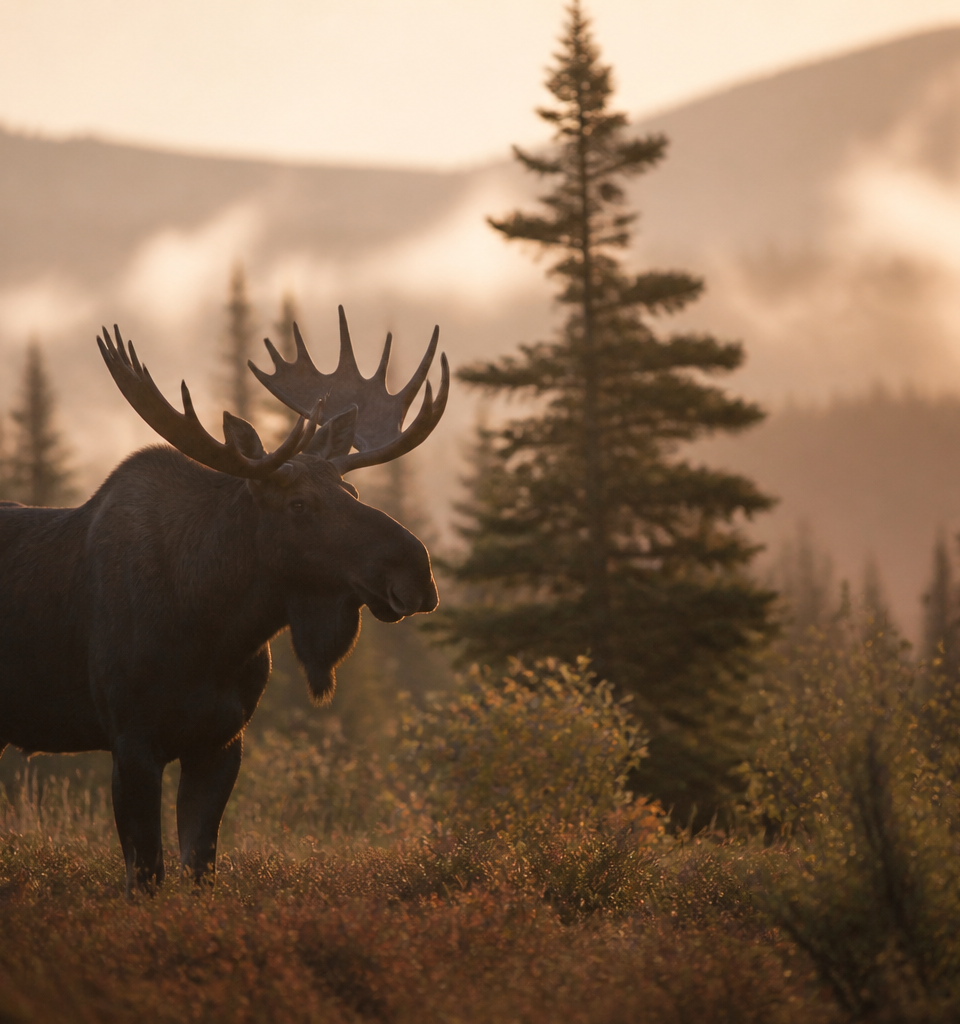
Species overview and identification
The moose (*Alces alces*) is the undisputed giant of the Quebec wilderness. As the largest member of the deer family in North America, it impresses with its towering stature, long legs adapted to navigating muskeg and deep timber, and a dense coat ranging from dark brown to near black. An adult bull can weigh anywhere from 400 to over 600 kilograms, proudly carrying palmated antlers that can span more than 1.5 metres on mature specimens. Cows are noticeably sleeker, lack antlers, and generally weigh between 300 and 450 kilograms.
In the field, accurate animal identification is an essential skill for every ethical hunter. Bulls display their distinctive antlers starting in late summer, along with a prominent pendulous bell (dewlap) beneath the throat. Adult cows feature an elongated head, a straight bridge of the nose, and a visible white vulva patch when viewed from behind. Calves born the previous spring are recognized by their shorter body, blunt muzzle, and more compact, triangular head profile. Knowing how to instantly identify these visual traits ensures strict compliance with the selective harvest regulations specific to each provincial hunting zone.
Habitat and geographic distribution
Moose inhabit almost all of Quebec, ranging from the southern border regions up to the edges of the subarctic taiga. However, herd densities vary substantially across regions. Renowned areas such as the Bas-Saint-Laurent, Gaspésie, Abitibi-Témiscamingue, Côte-Nord, Saguenay–Lac-Saint-Jean, Mauricie, and the Laurentians offer prime habitats where populations thrive.
This big game species seeks out a diverse forest mosaic that balances abundant browse with secure thermal cover. Moose favour mixed and boreal woodlands interspersed with young regenerating cuts (5 to 15 years old) and old burns where willow, white birch, mountain maple, and trembling aspen grow vigorously. Right next to these feeding areas, dense stands of conifers (black spruce, balsam fir, and cedar) provide essential thermal shelter against wind and harsh weather, as well as effective security cover from predators. Wetlands—including bogs, beaver ponds, alder swales, and slow-moving rivers rich in aquatic vegetation—complete their ideal range.
Behaviour and seasonal patterns
Moose behaviour follows the steady rhythm of Quebec's seasonal shifts. Emerging from winter weakened by deep snowpack and a lean woody diet, they actively seek out natural mineral licks and the earliest green shoots along logging roads and sun-exposed ridges. During summer, to regulate body heat and escape biting insects, they spend hours wading in shallow bays and wilderness lakes feeding on sodium-rich water lilies and pondweed.
Autumn brings the peak of activity with the annual rut, which generally spans from mid-September to mid-October, with the highest intensity occurring in early October. During this window, bulls cover substantial ground searching for receptive cows. They rake their antlers against alders and saplings to mark territory and challenge rivals, while digging muddy wallows infused with strong scent. Vocalizations become frequent: cows emit long, nasal moans to signal estrus, while bulls respond with deep, rhythmic guttural grunts.
As winter approaches and snow depths surpass critical levels, moose dramatically restrict their movements, yarding up in mature coniferous stands where heavy canopies intercept snow and make woody browse accessible.
Best seasons and conditions
Autumn is the premier window for moose hunting across Quebec. The openings for archery, crossbow, rifle, and muzzleloader seasons are strategically aligned with various stages of the rut, allowing hunters to take advantage of bulls responding aggressively to calls and territorial challenges.
Weather conditions play a decisive role in hunt success. Crisp, cold days featuring morning frost and temperatures below 10°C strongly stimulate daytime movement. Conversely, unseasonably warm weather pushes moose into dense, cool coniferous cover until after dark. The prime hunting windows remain the first hour following sunrise and the final two hours before nightfall. A steady, light breeze is invaluable for masking a hunter's approach and scent cone, while overcast skies or light drizzle help muffle footsteps on the dry forest floor.
Where and how to find it
To locate moose consistently, close attention to fresh sign is crucial. Seasoned hunters begin by scouting ecotones—transition zones where young hardwood regeneration meets mature softwood timber. The edges of natural or established mineral licks also serve as high-traffic hubs for local herds.
Key signs of active moose presence include:
- Deep, fresh tracks in soft mud or damp moss, showing sharp hoof edges.
- Fresh, rounded, shiny droppings indicating recent active feeding nearby.
- Tree rubs where bark has been stripped clean by bull antlers, revealing pale, sappy wood.
- Browsed woody stems with ragged, torn tips rather than clean bites.
- Muddy, freshly churned rut pits emitting a pungent, musky odour.
Setting trail cameras along pinch points, game trails, or natural funnels helps confirm timing, travel patterns, and the antler class of bulls working the area before setting up a tactical stalk.
Recommended techniques and strategies
Moose hunting in Quebec primarily relies on three proven methods: calling, stand hunting, and still-hunting.
Calling is the most iconic and thrilling strategy during the rut. Using a traditional birch bark horn or a durable composite megaphone, hunters mimic the long, pleading wail of a cow in estrus to lure unattached bulls, or deliver guttural bull grunts to challenge dominant territorial bulls. Complementing vocal calls with acoustic effects—such as raking brush with a dry moose scapula or synthetic paddle—greatly enhances realism. Patience is essential: a pressured or mature bull can take hours to silently circle downwind before showing himself.
Stand hunting involves setting up quietly in an elevated box blind or tree stand overlooking an active clearcut, river oxbow, or known staging area. This method demands absolute stillness and disciplined scent management. Finally, still-hunting—moving methodically into the wind while glassing every pocket of timber—requires supreme stealth and terrain knowledge to catch bedded or feeding animals off-guard.
Equipment and gear
A comfortable and successful wilderness hunt hinges on dependable equipment. Rifles must deliver adequate terminal energy to cleanly harvest big game of this size. The most trusted and popular calibres in Quebec include .308 Winchester, .30-06 Springfield, .300 Winchester Magnum, and 7mm Remington Magnum, paired with premium controlled-expansion bullets designed for deep penetration. For bow and crossbow hunters, proper draw weights combined with razor-sharp fixed or heavy-duty mechanical broadheads are mandatory.
Recommended clothing and backcountry essentials include:
- A moisture-wicking layering system using merino wool, fleece, and quiet outer shells (avoiding noisy, rustling synthetic fabrics).
- Sturdy, insulated waterproof hunting boots suited for muskeg, alder flats, and rocky ridges.
- High-definition, fog-proof binoculars for picking apart thick timber at distance.
- A reliable, weather-resistant moose calling horn.
- A full field dressing and pack-out kit: sharp skinning knives, bone saw, heavy-duty game bags, game hoist, and durable paracord or rope.
Regulations, licences and ethical practices
Moose hunting in Quebec is strictly regulated to sustain healthy regional populations. The province is divided into distinct wildlife management zones (WMUs), each governed by specific season dates, allowable sporting arms, and harvest conditions (such as selective antlerless protection or calf/cow harvest years). Every hunter must hold a valid hunter certificate, purchase the appropriate moose licence, and comply with mandatory blaze orange requirements visible from 360 degrees.
Hunting ethics require positive target identification before any shot is considered. Shooters must ensure a completely clear background and wait for a broadside or slightly quartering-away presentation to place the shot into the vital heart-lung zone behind the shoulder. After the shot, thorough recovery is a strict moral obligation, supported when needed by a certified blood-tracking dog team. Any harvested moose must be immediately notched with the transportation tag from the licence and registered at an official check station within the required legal timeframe.
To consult current hunting regulations, zone quotas, and official season dates, visit the Government of Quebec (hunting and fishing). Regulations change annually: always verify the official rules for your hunting zone before heading into the field.
Conservation, population and ecosystem role
Moose play a keystone role within Quebec's forest ecosystems. As large herbivores, their browsing directly influences understory plant composition, hardwood sapling regeneration, and the overall structure of the boreal forest. They also serve as a critical food source for apex predators, particularly grey wolves and black bears, which help maintain natural herd balance.
Sustainable population management is guided by systematic aerial surveys conducted by provincial wildlife biologists. These counts dictate antlerless tag allocations based on regional carrying capacity and harvest pressure. Today, herds face notable challenges, including winter tick infestations (*Dermacentor albipictus*), habitat fragmentation from logging roads, and climatic variations. Hunter stewardship, accurate harvest reporting, and strict adherence to game laws remain the cornerstone of moose conservation across the province.
Planning a guided trip or outfitter stay
Booking a moose hunt with an established Quebec outfitter delivers the ultimate big-game wilderness experience. Whether operating on exclusive-rights territories that guarantee secluded hunting grounds or on expansive structured public lands, outfitters offer a safe, warm, and highly professional setting tailored to the demands of this hunt.
Hunting alongside an experienced local guide dramatically elevates your odds. Professional guides possess unmatched knowledge of regional waterways, travel funnels, and local herd dynamics. Outfitter territories come equipped with long-established mineral licks, sealed ground blinds, and strategically positioned vantage points. In addition, outfitters handle the demanding logistics of field recovery—offering ATVs, winches, walk-in meat lockers to age and protect your venison, and welcoming wilderness lodges where you can recharge after full days on the trail.
To discover top-rated hunting destinations, explore exclusive territories, and reserve your next big-game expedition in the Quebec wild, start planning your outfitter trip today on MyOutfitters.
Frequently asked questions
What is the best time of day to call moose during the rut?
The first two hours after sunrise and the last two hours before sunset offer the calmest thermal conditions for sound travel. Bulls take advantage of cooler temperatures during these periods to travel actively toward calling cows or challenging grunts.
What is the recommended rifle shooting distance for moose?
Most ethical shots occur between 50 and 150 metres. While modern calibres shoot much farther, Quebec's dense forest cover and the critical need for clean placement into the heart-lung vital zone favour close, well-supported shots.
How can you tell a fresh tree rub from an old one?
A fresh rub exposes pale, moist wood that is often sticky with fresh pine or spruce sap, with loose ribbons of bark and clean wood shavings at the base of the tree. Old rubs turn weathered, grey, and dry.
What should you do immediately after shooting a moose?
Mark your exact shooting position and the animal's location at the time of the shot. Wait at least 20 to 30 minutes before advancing to the impact site to inspect for blood, hair, and tracks without pushing a bedded animal.
How do you handle moose meat in warm weather?
Field dress, skin, and quarter the carcass as quickly as possible. Place quarters into breathable cotton game bags and hang them in a well-ventilated, shaded area or transport them promptly to an outfitter's walk-in cooler.
What is the advantage of a birch bark call compared to plastic?
A traditional birch bark horn produces a warm, muffled, natural resonance that realistically mimics the nasal tone of a cow moose. It also avoids making harsh plastic clicks when brushing against branches.
Why is scent control so critical when moose hunting?
A moose's sense of smell is its keenest defensive asset. Even an aggressive bull during the peak of the rut will immediately retreat upon catching human scent. Always hunt into the wind and wash gear in unscented soap.
What are the benefits of hunting with an outfitter on exclusive territory?
An exclusive territory eliminates hunting pressure from outside parties, keeping game calmer. Outfitter guides know the ground intimately, maintain established licks, and provide essential recovery gear like winches and meat hanging facilities.
How do you tell a yearling bull from an adult cow without antlers?
A calf has a short, compact head and blunt muzzle, while a yearling bull (spike) displays visible antler points above the ears. An adult cow has a more elongated head and a visible white vulva patch when viewed from behind.
Are blood-tracking dogs allowed for moose recovery in Quebec?
Yes, hiring a certified blood-tracking dog handler is legal, ethical, and encouraged in Quebec. A tracking dog quickly helps recover downed game in challenging bush where ground blood trails become difficult to follow.