Travel guides
Fly-In Trip Logistics: Weight Limits and Float Plane Realities
Master the art of packing for a fly-in adventure. Expert advice on weight limits, cooler policies, and staying connected in the remote Canadian wilderness.
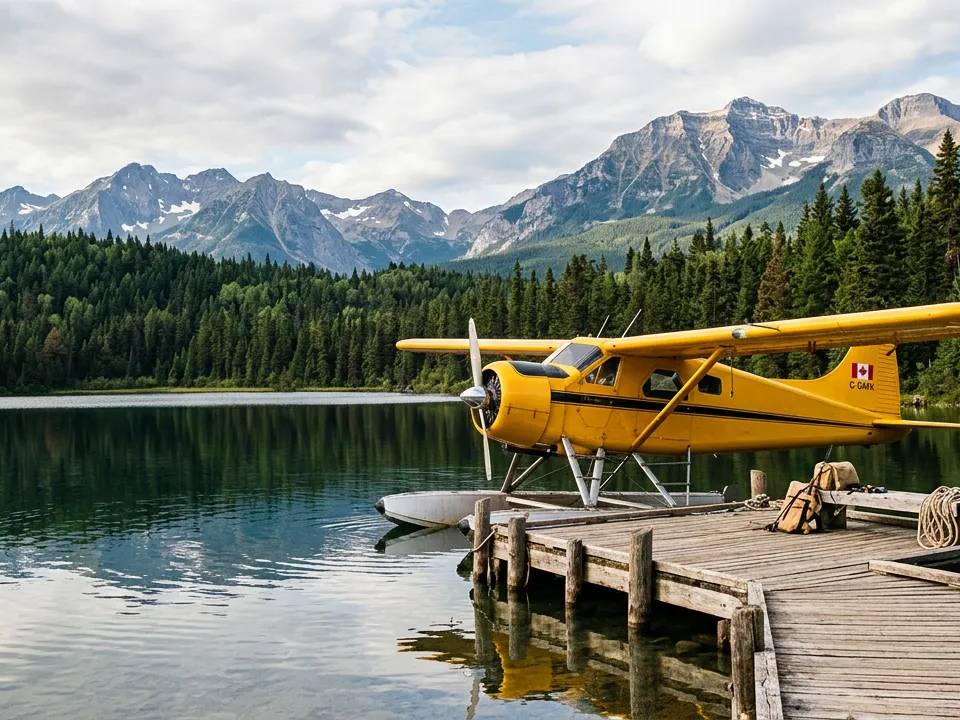
A fly-in trip is the pinnacle of the Canadian wilderness experience, offering access to untouched waters and remote hunting grounds. However, the transition from pavement to float plane requires a shift in mindset regarding gear and logistics. Understanding the physics of flight and the constraints of remote camps will ensure your trip starts on a high note rather than a stressful scale at the airbase.
The Golden Rule of Weight Limits
Float planes have a maximum takeoff weight that is strictly regulated by Transport Canada. When a provider gives you a weight limit—typically between 100 and 150 pounds—it is a hard ceiling, not a suggestion.
- Weighing In. Be prepared to step on the scale with your heavy hunting or fishing jacket on. Pilots calculate the weight of passengers and cargo to the pound to ensure a safe lift-off from the water.
- Soft-Sided Luggage. This is the single most important rule. Hard suitcases are nearly impossible to pack into the irregular storage bays of a Cessna or Beaver. Use high-quality waterproof duffel bags that can be squished and stacked.
- Consolidate Gear. Talk to your group. You only need one shared tool kit, one large bottle of dish soap, and one shared emergency kit. Eliminating duplicates is the fastest way to save 20 pounds.
Cooler Logistics and Fresh Food
Coolers are heavy and bulky, making them a challenge for float plane loading. Expert outfitters suggest using several small-to-medium coolers rather than one massive 150-quart unit which may not fit through the cabin door.
- Block Ice vs. Cubes. Use frozen water bottles or frozen vacuum-sealed meals as your cooling source. They serve a dual purpose and don't create a watery mess as they melt.
- The Return Flight Factor. If you are fishing for Walleye or Northern Pike, or hunting for Moose, you must account for the weight of your meat and trophies on the way out. Many hunters choose to fly in light to leave room for the weight of a successful harvest.
Communication in the Backcountry
Remote camps often exist in a total communication blackout. While this is part of the charm, practical realities require a plan for emergencies or check-ins.
- Satellite Technology. Never rely on cell service. While many outfitters provide a satellite phone for camp emergencies, carrying a personal satellite messenger allows you to send basic "all good" texts to family.
- Power Management. Remote camps often rely on solar power or generators that run only a few hours a day. Bring portable power banks to keep your devices charged without straining the camp's limited grid.
Booking Your Fly-In Experience
When selecting an outfitter through pourvoiries/chasse-et-peche/ontario, ask for their specific flight weight policy in writing. Check if the weight of your beer, soda, and outboard fuel is included in your personal limit or handled separately. A transparent outfitter will provide a detailed manifest template to help you organize your group’s gear long before you arrive at the dock. Booking early ensures you get the best flight windows, which is crucial for maximizing your time on the water or in the stand.
Frequently asked questions
Why are hard-shell suitcases prohibited on float planes?
Float plane storage bays are narrow and irregularly shaped. Soft-sided duffel bags allow the pilot to maximize space and secure the load much more effectively than rigid suitcases that cannot be compressed.
What happens if our group exceeds the weight limit at the dock?
The pilot will refuse to take off for safety reasons. You will either have to leave gear behind in your vehicle or pay for an additional freight flight if a plane is available.
Does the weight of my catch or game count toward the limit?
Yes, the total takeoff weight includes everything in the aircraft. Plan for extra weight on the return flight or discuss meat transport options for big game with your outfitter.
Can I bring cases of alcoholic beverages?
Cases are heavy and bulky. It is highly recommended to choose cans over glass bottles and consider boxed wine to reduce weight and prevent breakage risks.
How do I charge batteries if the camp doesn't have 24/7 electricity?
Bring portable solar chargers or high-capacity power banks. Most camps run generators for only a few hours a day, so use that window to charge your essential devices.