Travel guides
Physical Prep and Expectations: Are You Ready for Your Hunt?
Ensure a successful expedition by matching your fitness to the terrain and understanding the true demands of the Canadian wilderness before you book.
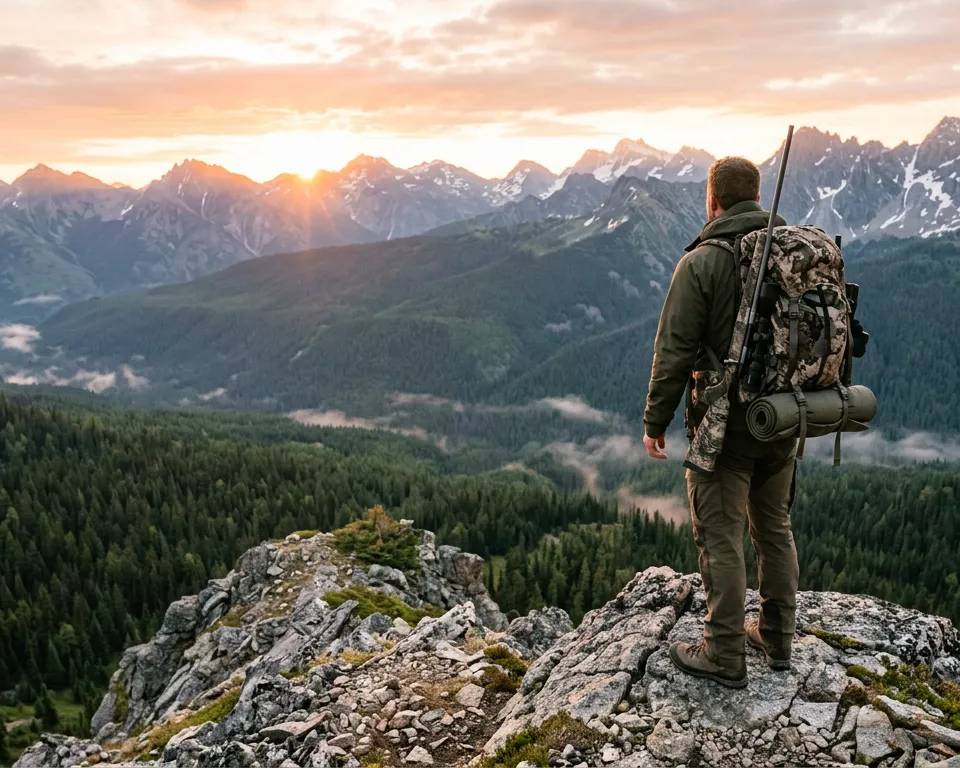
Booking a hunting expedition in Canada is a bucket-list dream, yet its success hinges on more than just your gear. The gap between expectation and the physical reality of the bush is where many hunters struggle. To ensure your trip is rewarding, you must honestly assess your fitness levels and match them to the specific demands of your chosen species and territory.
Assessing Terrain and Physical Difficulty
Canadian geography varies wildly, and so does the physical toll it takes on a hunter. A hunt for Wapiti (Elk) in the foothills of Alberta demands significantly more lung capacity and leg strength than a sit-in-a-blind hunt for White-tailed Deer in the deciduous forests of the East.
- Mountainous Regions. High altitudes and steep inclines require excellent cardiovascular conditioning and stable footwear.
- Dense Boreal Forest. Navigating deadfall, muskeg, and thick underbrush requires functional strength and balance.
- Arctic Tundra. The uneven, spongy ground of the north can be exhausting to traverse over long distances.
Practical Training for the Field
Fitness for hunting is specific. The best preparation is hiking with a weighted pack that mimics the gear you will carry. Focus on building core stability and leg endurance. Start your regimen at least 12 weeks before your trip to allow your joints to adapt. Remember, you aren't just hiking in; you must be prepared to help pack out an Orignal (Moose) or other large game, which is an entirely different level of exertion.
Mental Readiness and Realistic Goals
Weather in Canada is unpredictable and can change your plans in an instant. A realistic mindset involves understanding that a fair-chase hunt offers no guarantees. Success is often defined by the quality of the pursuit rather than the size of the trophy. Discussing "shot opportunities" versus "harvest rates" with your outfitter will give you a clearer picture of what to expect during your week in the woods.
Matching Experience to the Hunt Type
Be honest about your shooting skills and your comfort level in remote settings. A long-range shot on a Mouflon (Sheep) requires different preparation than a close-quarters encounter with an Ours noir (Black Bear). If you have mobility concerns, communicate them early. Many outfitters can accommodate different needs if they know in advance, perhaps switching from a backpack hunt to a boat-based or ATV-supported expedition.
How to Choose and Book Your Outfitter
When browsing our directory, look for outfitters who describe their hunting style in detail. Reach out and ask specific questions: How many miles do we walk daily? What is the elevation change? What happens if the weather turns? Choosing an outfitter who prioritizes transparency over sales pitches ensures that you arrive at camp prepared for the challenge. Booking through a reputable member of a provincial association provides an extra layer of confidence that the terrain and game management will meet professional standards.
Frequently asked questions
How far in advance should I start physical preparation?
It is recommended to start targeted training at least 3 months before your departure. This allows your cardiovascular system and joints to gradually adapt to the exertion.
What type of exercise is most useful for big game hunting?
Hiking with a loaded pack on inclined terrain is the most representative exercise. Add leg and core strengthening to improve your stability.
What if I am not in great physical shape?
Discuss this with the outfitter before booking; many offer less demanding hunts using boats, accessible blinds, or ATVs. It is crucial to choose a package suited to your abilities.
Are harvest success expectations guaranteed?
No, hunting in the wild never offers a 100% guarantee. Success depends on weather, game movement, and your own preparation.
How do I know if an outfitter's terrain is too difficult for me?
Ask the outfitter about the average daily elevation gain and the type of ground. A good professional will give you an honest description of the physical challenges of their territory.