Hunting
Bringing Your Firearm to Canada for Hunting: A Complete Guide
Learn how to legally cross the Canadian border with your hunting firearm. Navigate customs forms effortlessly and prepare for your outfitter trip.
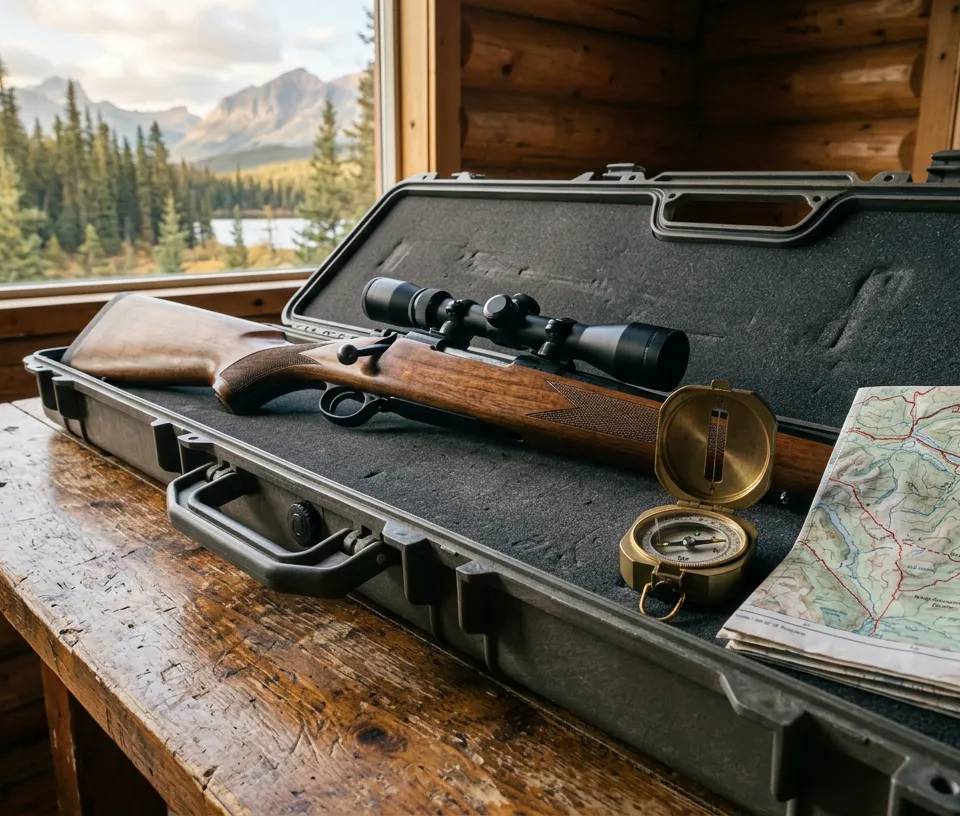
Crossing the Canadian border with your hunting rifle or shotgun might seem like a daunting logistical hurdle, but the process is actually highly streamlined for non-resident outdoor enthusiasts. Whether you are aiming to track big game across the boreal forest or heading out for a waterfowl hunt in the prairies, customs agents process hunting firearms daily. This guide outlines the exact steps and regulations you need to know to legally declare your equipment and ensure your outdoor adventure begins smoothly.
Understanding Firearm Classifications in Canada
The Canadian legal system categorizes firearms into three classes. Knowing where your equipment falls is the critical first step.
- Non-restricted firearms. This encompasses almost all standard hunting rifles and shotguns. If your barrel meets the legal length and is not fully automatic, it belongs here. These are the only firearms you should bring to an outfitter.
- Restricted firearms. This includes most handguns. While bringing them into the country for target shooting is sometimes possible, hunting with a handgun is strictly illegal across Canada. Leave them at home.
- Prohibited firearms. Fully automatic weapons and short-barreled handguns fall into this bracket. Attempting to cross the border with these will lead to immediate confiscation and criminal charges.
The Non-Resident Firearm Declaration Form
Success at the customs booth hinges on presenting the correct paperwork.
- Fill it out early, sign it later. Complete the Royal Canadian Mounted Police declaration form prior to your arrival. Do not sign the document until you are physically in front of the customs officer.
- Payment of processing fees. A flat fee is required when you submit your form. This payment covers the temporary registration of your hunting rifle, valid for sixty days.
- Acting as your temporary license. Once stamped by the border agent, this specific paperwork legally acts as your Canadian firearm possession license. Carry it on your person at all times.
Safe Transport and Border Arrival
Canadian transportation rules strictly enforce safety. Adhere to these regulations from the moment you approach the port of entry.
- Locking mechanisms. Your firearm must be completely unloaded and disabled with a secure trigger lock or cable lock.
- Proper casing. The equipment must be stored in an opaque, sturdy, and locked case. Airlines require hard-sided cases for transport.
- Immediate verbal declaration. As soon as you hand over your passport, verbally declare that you are bringing hunting firearms into the country.
Regulations for Bringing Ammunition
Transporting ammunition involves strict handling rules and importation limits.
- Duty-free allowances. Non-residents can typically bring a set amount of ammunition duty-free, usually a couple of hundred rounds, which is enough for a standard hunt.
- Separate storage requirements. Never pack your ammunition inside the same locked case as your rifle. It must be stored in a separate, secure container.
How to Choose and Book an Outfitter
Getting your gear legally across the border is just the start. Finding a reputable lodging partner makes all the difference in your experience. Start by deciding on your target species and researching which provinces offer the best habitats. Quality outfitters often assist guests with acquiring the necessary provincial hunting tags, which are completely separate from border paperwork. Ask potential guides about recommended calibers for the local terrain and what to expect during the hunt. To streamline your search, browse verified operations through our big game hunting directory to compare amenities, read up on packages, and secure your spot well ahead of the busy autumn season.
Frequently asked questions
Is it possible to rent a firearm directly at the outfitter?
Some outfitters offer firearm rentals for their guests, but this depends entirely on the specific lodge. It is best to contact them in advance to verify their available equipment and terms.
Do I need a Canadian hunting license to cross the border?
No, customs officers only verify your firearm declaration form. However, you will need to obtain a valid hunting license from the province where you plan to hunt before starting your activity.
Can I hunt with a bow or crossbow in Canada?
Yes, bows and crossbows are popular and permitted hunting equipment. Unlike firearms, they do not require a specific customs declaration form but must be declared verbally at the border.
What is the cost of the non-resident firearm declaration?
The Canadian government charges a flat processing fee, usually around thirty Canadian dollars, payable by credit card or cash. This fee covers a validity period of sixty days.
What happens if I arrive at customs with my form already signed?
Your form may be rejected, and you will have to fill out a new one on the spot. The border services officer must witness your signature to validate the official document.