Hunting
Saskatchewan Whitetail Deer Hunting Guide: Plan Your Outfitter Trip
Saskatchewan is world-renowned for its massive whitetail deer. Discover local hunting strategies and learn how to prepare for your outfitter expedition.
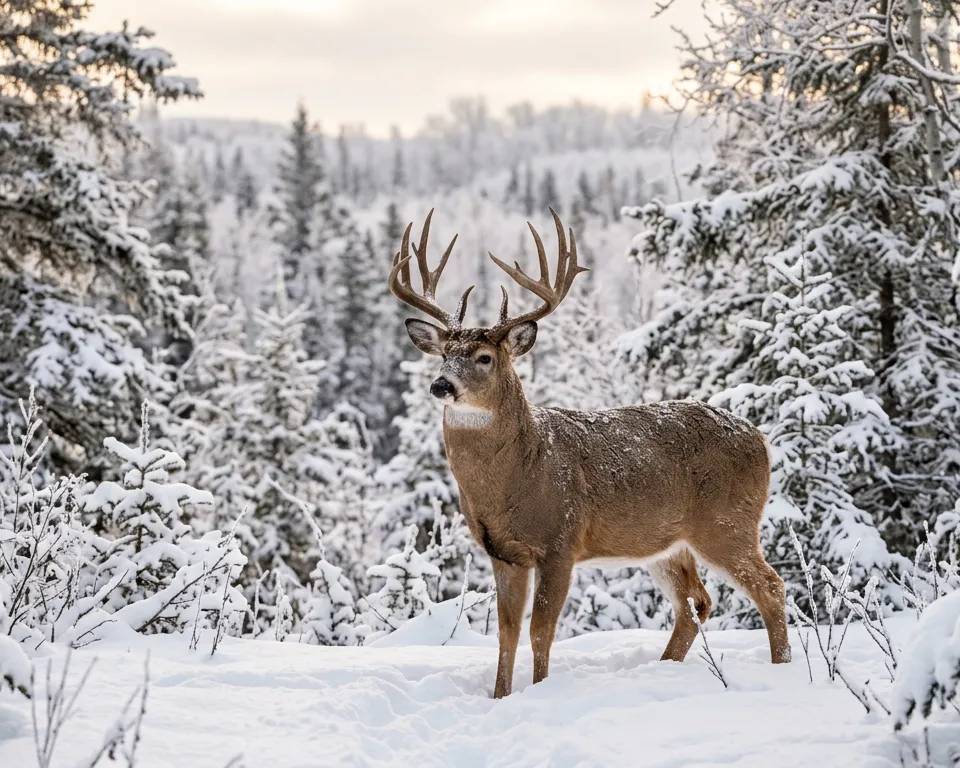
Saskatchewan is a world-class destination for big game hunters, drawing enthusiasts who dream of crossing paths with genuinely massive whitetail deer. The vast boreal forest, thick transition zones, and nutrient-rich agricultural lands create the ultimate environment for growing heavy-horned bucks. This guide breaks down the essentials of a successful outfitter expedition, covering crucial cold-weather survival gear and the specialized tactics required to conquer the legendary Canadian Prairies.
Understanding the Terrain and Habitat
The sheer size and geography of the province heavily dictate how a hunt unfolds. Your success hinges on understanding this immense and unforgiving landscape.
- The boreal fringe. This rugged transition zone provides incredible dense cover, giving mature bucks the perfect sanctuary to hide during the intense breeding season.
- Central agricultural zones. Crop fields supply a high-protein diet of grains and legumes, which is the primary reason behind the exceptional antler mass found in local deer.
- Natural travel corridors. Wooded ridges, creek bottoms, and deep ravines act as natural highways for deer moving stealthily between bedding areas and food sources.
Proven Local Hunting Strategies
Saskatchewan outfitters have perfected their approaches over decades of harsh winters. Adapting to the freezing climate is the absolute cornerstone of their tactics.
- Stand hunting in heated blinds. This is the most productive method by far. Extreme negative temperatures make sitting in open tree stands nearly impossible for full-day sits.
- Strategic baiting. Where local regulations permit, calculated baiting programs concentrate deer activity in predictable shooting lanes when deep snow severely limits natural foraging.
- Tracking rutting signs. Late November is the prime window. Guides meticulously scout for fresh tree rubs and ground scrapes to pinpoint territories fiercely defended by dominant bucks.
Essential Gear for Extreme Cold
Hunting late season in Saskatchewan is an endurance test. Hypothermia is a serious threat that can easily cut your trip short if you arrive unprepared.
- A specialized layering system. Leave cotton at home. Start with a heavy merino wool base layer, add thick synthetic insulation, and finish with a completely windproof outer shell.
- Protecting extremities. Pac boots rated for extreme negative temperatures and heavily insulated mittens are strictly mandatory. Many hunters rely on flip-top mittens to quickly free their trigger finger.
- Portable heat sources. Chemical hand warmers and battery-heated vests significantly extend your ability to sit motionless from dawn until dusk.
Mental Toughness and Readiness
Even if you spend most days inside a heated ground blind, the psychological demands of a late-season prairie hunt should never be taken lightly.
- Building mental resilience. Staring at a snow-covered tree line for ten hours straight requires extreme focus. A trophy buck can step out and vanish in a matter of seconds.
- Practicing with winter gear. You will likely be shooting while wearing bulky clothing. Practice mounting your rifle or drawing your bow while fully suited up before traveling.
- Embracing the unpredictable. Massive snowstorms can easily delay flights or drastically change deer movement patterns. A positive, highly flexible attitude is crucial.
Choosing and Booking Your Outfitter
Selecting the right hunting camp is the most important decision of your planning phase. The province boasts incredible outfitters, but they vary wildly in accommodations, hunting styles, and trophy management rules. Start researching well over a year in advance, as top-tier camps are usually booked solid long before opening day. When interviewing potential guides, ask about their hunter-to-guide ratio and their minimum score requirements designed to protect young bucks. Inquire about the exact type of blinds used; a fully insulated, propane-heated box makes a massive difference compared to a simple pop-up tent during a raging blizzard. Always ask for references from hunters who visited recently. Browse available options for Saskatchewan whitetail hunts or generally explore big game hunting to find an operation that perfectly matches your expectations.
Frequently asked questions
What is the best time of year to hunt whitetail deer in Saskatchewan?
The peak of the rut usually occurs from mid to late November. This is widely considered the best time to hunt, as mature bucks are highly active and less cautious during daylight hours.
Can non-residents hunt whitetail deer without a guide?
Non-resident alien hunters (those from outside Canada) are legally required to use the services of a licensed outfitter to hunt big game in Saskatchewan. Canadian non-residents face specific draw requirements or must also use an outfitter.
What caliber rifle is recommended for Saskatchewan whitetails?
Saskatchewan bucks have large bodies and thick winter coats. Popular calibers like .270 Win, .308 Win, .30-06, or 7mm Rem Mag provide the necessary knockdown power for clean, ethical harvests.
What temperatures should I expect during a November hunt?
Temperatures can be brutally cold, often dropping well below -20°C (-4°F) with severe wind chills. Extreme winter layering and specialized cold-weather boots are absolutely critical for your safety.
Do outfitters process the meat for me to take home?
Most outfitters will field dress, skin, and quarter your harvest as part of their package. For full processing and freezing, they usually partner with local butchers for an additional fee.