Hunting
Woodcock Season: Mastering the Autumn Flight in Quebec
Learn how to time the American Woodcock migration in Quebec, offering a thrilling challenge for upland hunters and pointing dogs in the boreal forest.
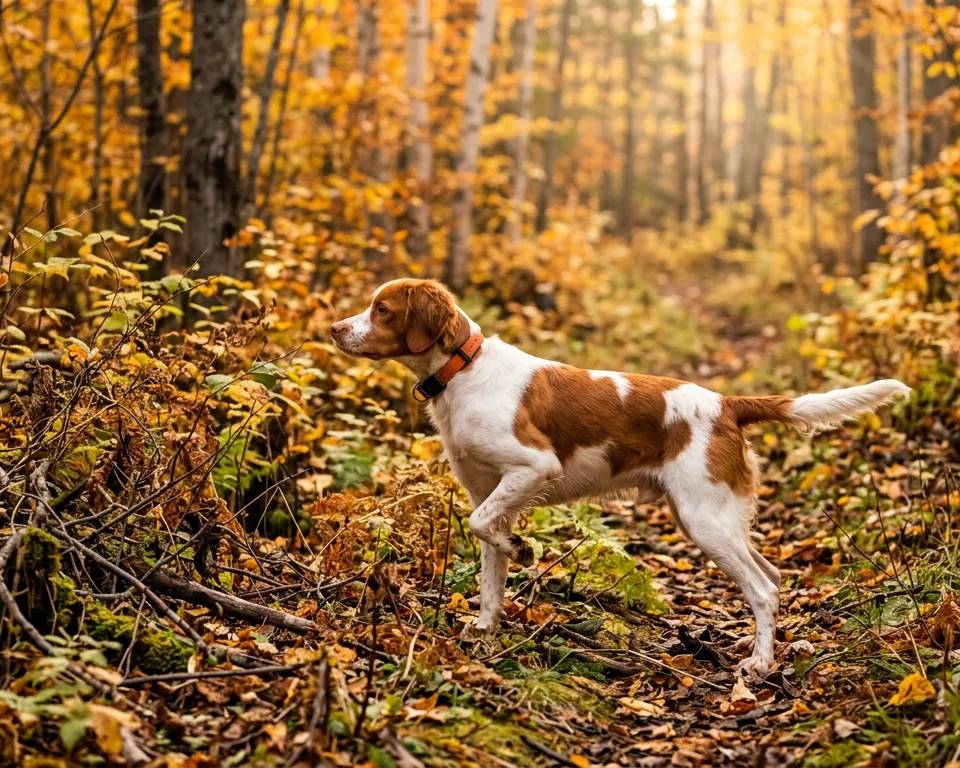
Woodcock hunting in Quebec is a pursuit of shadows and timing. As autumn leaves turn, the American Woodcock begins its mysterious journey south, providing a fleeting but exhilarating window for upland hunters. This is a game of finesse, where the bond between hunter and pointing dog is tested in the thickest covers of the boreal forest, chasing a bird known for its erratic flight and masterful camouflage.
The Magic of the Migration
Timing is everything when it comes to the timberdoodle. While resident birds are present early in the season, the real action starts with the arrival of the "flights" from the north. These birds move ahead of freezing temperatures that lock up the soil. A seasoned hunter watches the weather maps for cold fronts and northwesterly winds, which act as a conveyor belt for migrating woodcock. One day a covert might be empty; the next morning, it could be bustling with birds resting after a long night's flight.
Identifying Prime Habitat
Woodcock are specialized feeders, and their location is dictated by soil quality. They need moist, loamy earth to probe for earthworms with their long, prehensile bills. To find them, look for:
- Alder Swales. These damp thickets near water sources are classic woodcock haunts.
- Young Aspen Stands. Regenerating forests provide the overhead protection birds need from hawks while keeping the ground clear enough for walking.
- Abandoned Orchards. Old farms with overgrown apple trees often hold birds seeking cover and rich soil.
Working with Pointing Dogs
In the dense brush where woodcock hide, a dog is more than a companion—it is a necessity. Pointing breeds like English Setters, German Shorthaired Pointers, or Brittany Spaniels excel here. The woodcock’s natural defense is to sit tight, trusting its cryptic plumage to blend into the leaf litter. A dog with a keen nose can pin a bird down, allowing the hunter to move into position for a shot. The sight of a dog locked on point amidst the golden autumn foliage is the quintessential image of Canadian upland hunting.
Gear and Shooting Tactics
Shooting in the alders is a challenge that requires fast reflexes. Most woodcock are taken at distances of less than 20 yards. A lightweight shotgun, such as a 20-gauge or 28-gauge with an improved cylinder choke, is the preferred tool. Small shot sizes like #8 or #9 are perfect for these delicate birds. Because the cover is so thick, safety is paramount; high-visibility blaze orange is essential to ensure you and your dog remain visible to other members of your party at all times.
Booking Your Woodcock Adventure
Selecting the right outfitter is the best way to ensure you are in the right place at the right time. Quebec outfitters managing large territories for petit gibier monitor migration patterns daily. They can direct you to the most productive coverts based on current weather conditions. Many outfitters also provide specialized guiding for those without their own dogs. Early October is generally the peak for the migration through most of the province, so booking well in advance is recommended to catch the heart of the flight.
Frequently asked questions
When is the best time to hunt woodcock in Quebec?
The peak of the migration usually occurs between the last week of September and the first two weeks of October, depending on the arrival of early frosts.
Do I need a specific dog for woodcock hunting?
While a pointing dog is ideal for locating camouflaged birds, a flushing dog (like a Springer Spaniel) can also be very effective in thick cover.
Which shotgun gauges are recommended?
20-gauge and 28-gauge shotguns are the most popular because they are light to carry in thick woods and provide an adequate pattern for this small bird.
Where can I find the most woodcock?
Look for young aspen forests, damp alder swales, and abandoned fields with soil rich in earthworms.
Is a special permit required?
Yes, in addition to the provincial small game license, you must hold a federal Migratory Game Bird Hunting Permit.