Hunting
Small Game Hunting in Quebec: Practical Guide and Tips
Master small game hunting in Quebec. Species, habitats, woodland strategies, equipment, and expert tips for successful autumn outings at an outfitter.
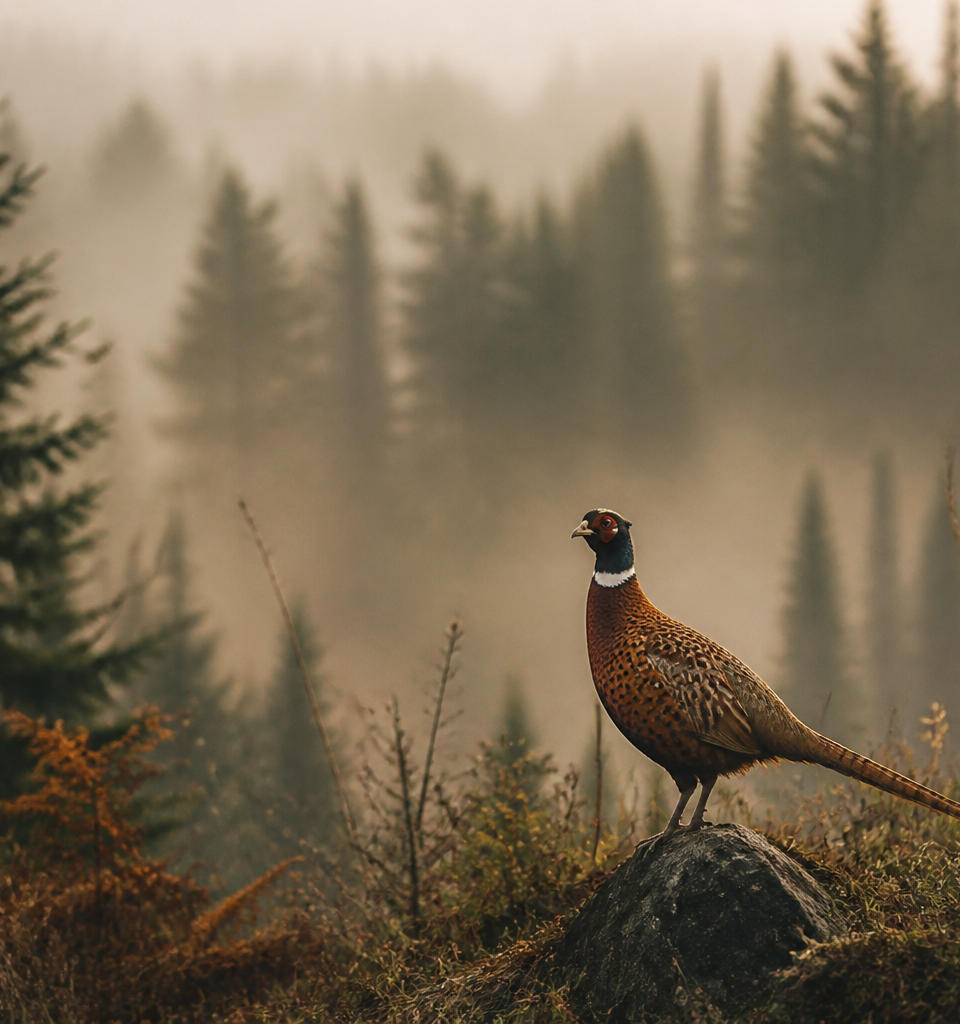
Species overview and identification
Small game hunting in Quebec encompasses several iconic species that draw hunters into the woods with the arrival of the first crisp autumn days. Leading the list is the ruffed grouse, commonly referred to locally as partridge. This woodland game bird is distinguished by its cryptic greyish-brown or reddish plumage, a black ruff of neck feathers, and a prominent dark subterminal band across its fan-shaped tail when it takes flight.
The spruce grouse, often called the Canada grouse or black partridge, inhabits dense conifer stands. The male features slate-black plumage highlighted by a bright red comb above the eye, while the female displays richly barred brown feathering. Noticeably less wary than the ruffed grouse, the spruce grouse frequently perches on low spruce branches.
The snowshoe hare is another cornerstone of this traditional hunt. This agile mammal undergoes a dramatic seasonal moult, shifting from an earthy brown summer coat to an immaculate white winter pelt to evade predators. Its large, well-furred hind feet allow it to travel effortlessly over deep powder snow. The American woodcock, a migratory bird featuring a long, sensitive bill and eyes set high on its head, completes the lineup during its autumn migration through damp thickets and old fields.
Habitat and geographic distribution
Quebec offers an impressive variety of prime small game terrain, extending from southern mixed woodlands to the vast reaches of the boreal forest. Ruffed grouse thrive in young mixed forests, regenerating aspen stands, birch thickets, and woodland edges lined with wild raspberries, hazelnuts, and mountain ash. They are abundant across regions such as the Laurentians, Lanaudière, Mauricie, Outaouais, Eastern Townships, and Bas-Saint-Laurent.
The spruce grouse is closely tied to the continuous boreal forest biome. It actively seeks out black spruce, jack pine, and larch stands, particularly across the Saguenay–Lac-Saint-Jean, Abitibi-Témiscamingue, and Côte-Nord regions. Forest understories carpeted in moss and wild blueberries provide its natural feeding grounds.
The snowshoe hare establishes itself wherever dense ground cover delivers robust protection from aerial and terrestrial predators. Thick alder swales, young cutovers, and moist cedar swamps are exceptionally productive areas. Woodcock favour soft, damp soils rich in earthworms, often found along creek bottoms and aging alder runs.
Behaviour and seasonal patterns
Small game behaviour changes steadily throughout the autumn as food resources and weather conditions shift. Early in the season, birds take advantage of abundant wild berries, tender greens, and insects. They spend much of the day on the forest floor, concealed beneath dense canopy foliage that provides impenetrable visual cover.
As the leaves drop and morning frosts settle in, the diet of ruffed and spruce grouse transitions toward aspen buds, birch catkins, and conifer needles. Birds adjust their routines to take advantage of sunlit openings to maintain core body temperature. They often congregate around reliable, concentrated food sources.
Snowshoe hare populations follow a well-documented eight-to-ten-year cycle of boom and bust, which directly impacts boreal predator activity across the province. During the hunting season, hares are primarily active at dawn and dusk, remaining tucked beneath brush piles or deadfalls throughout the brightest daylight hours.
Best seasons and conditions
Small game hunting generally runs from early autumn through the heart of the Quebec winter. The September opener offers pleasant walking conditions under mild weather, though thick foliage can make spotting game challenging. It is an excellent time to prospect trail edges and old clearings.
October is widely regarded by upland hunters as the prime window. Peak leaf drop opens clear shooting lanes through the woods, brisk temperatures stimulate animal movement, and woodcock migration is in full swing. Bright, calm days following a hard overnight frost present ideal conditions for catching ruffed grouse sunning along forest edges and clearings.
In November and December, snow transforms the hunting dynamic entirely. Fresh tracks make it straightforward to locate hares and spruce grouse, while the high-contrast backdrop simplifies target acquisition. Days with heavy wind or driving rain tend to be the least productive, as game stays hunkered down in dense coniferous cover to shelter from the elements.
Where and how to find it
Locating small game consistently requires an eye for terrain transitions and preferred food sources. Secondary logging roads, overgrown skid trails, and snowmobile paths act as natural travel corridors. Ruffed grouse visit these openings regularly to pick up grit necessary for their gizzard digestion and to forage on fresh clover.
Key areas to focus on during your hunts include:
- Ecotones, or transition zones between two forest types, such as a pine plantation meeting an aspen stand.
- Edges of alder swales and stream banks, which are prime cover for woodcock and snowshoe hares.
- Five-to-fifteen-year-old forest cuts offering dense security cover and abundant browse.
- South-facing hillsides on cold mornings, where the early sun warms the ground first.
Watch for fresh sign such as droppings on the ground, dust-bathing bowls in dry sand, tracks in mud or snow, and raspberry or hazel twigs cleanly clipped at a 45-degree angle by hares.
Recommended techniques and strategies
Still-hunting, or walking slowly through prime cover, is the most common approach across Quebec woodlands. This method involves moving deliberately along trails or through thickets, pausing every ten to thirty seconds. This stop-and-go pace unnerves nearby game; believing they have been spotted, birds and hares often flush or bolt, presenting a shot.
Hunting with dogs adds an exciting dimension to the uplands. Pointing dogs excel at pinning woodcock and ruffed grouse in heavy brush, giving the hunter time to get into position before the flush. Flushing dogs work cover methodically within shotgun range to push birds into the air. For hares, a pack of beagles provides classic hound music as they track scent lines, eventually circling the animal back toward waiting hunters.
Snap shooting demands quick reflexes and sound mechanics. In thick cover, shooting windows last only a fraction of a second. Mounting the shotgun smoothly, keeping both eyes open, and swinging through the target are essential skills for connecting in heavy timber.
Equipment and gear
Firearm selection comes down to personal hunting style and target species. A 12, 20, or 28-gauge shotgun is the most versatile tool for taking upland birds on the wing in thick cover. An improved cylinder or modified choke is well suited for typical engagement distances between 15 and 30 metres. Shotshells loaded with #6 or #7.5 shot are standard for grouse and woodcock, while #4 to #6 shot is preferred for snowshoe hare.
For hunters who prefer still shots on the ground or in trees, a .22 Long Rifle rimfire rifle is a classic, economical, and precise option. Aiming for the head ensures a clean harvest without damaging breast meat.
For clothing, choose a breathable layering system that accommodates the physical output of trekking through northern bush. Sturdy, waterproof hunting boots with solid ankle support are essential for navigating deadfalls, muskeg, and rocky terrain. An upland hunting vest with a spacious game bag makes carrying harvested game and field essentials comfortable throughout the day.
Regulations, licences and ethical practices
Small game hunting in Quebec is governed by clear provincial regulations to safeguard wildlife populations. Every hunter must hold a valid hunter certificate confirming completion of firearm and hunting safety courses, alongside the appropriate provincial small game hunting licence.
Wearing a blaze orange vest or jacket visible from all angles is mandatory whenever a firearm big game season is open in the same hunting zone. Even outside these overlap periods, high-visibility clothing is strongly advised to maintain visibility in thick autumn brush. Respecting daily bag limits and possession limits is a fundamental legal and ethical responsibility.
Sound hunting ethics require verifying a safe background before pulling the trigger, never shooting toward public roadways, and making every reasonable effort to retrieve downed game. For complete details on hunting zones, season dates, and bag limits, visit the official site: Government of Quebec (hunting and fishing). Regulations change annually: always verify with provincial authorities before heading into the field.
Conservation, population and ecosystem role
Small game species serve a vital ecological role within Quebec's forest ecosystems. As primary herbivores and seed consumers, upland birds and hares influence forest regeneration and understory dynamics. They also form the primary prey base for a wide range of iconic boreal predators.
Canada lynx, northern goshawks, American martens, red foxes, and several owl species depend directly on healthy small game numbers to feed themselves and raise their young. The cyclical peaks and valleys of snowshoe hare populations drive the reproductive success of these northern carnivores across vast territories.
Hunters play an active role as wildlife stewards. Through licence fees and field observations, they support habitat conservation and provincial monitoring programs. Harvesting small game sustainably ensures that populations remain balanced within the carrying capacity of Quebec's forests.
Planning a guided trip or outfitter stay
Booking a stay at an outfitter is one of the most rewarding ways to experience small game hunting in Quebec. Outfitting operations provide access to exclusive territories or expansive public land tracts spanning hundreds of square kilometres of managed woodland, serviced by networks of maintained logging roads and hunting trails.
On-site, comfortable log cabins or full-service lodges paired with welcoming hospitality deliver a complete northern experience for groups of friends and families. Insights from local outfitter staff and guides help you focus on the most productive coverts immediately, cutting down on scouting time.
Whether you are introducing a new hunter to the sport in a relaxed setting or exploring remote boreal forest, browse the destinations on MyOutfitters to choose the right lodge and start planning your next Quebec hunting adventure.
Frequently asked questions
What is the visual difference between a ruffed grouse and a spruce grouse?
The ruffed grouse has reddish-brown or greyish plumage with a prominent dark band near the tip of its fan-shaped tail. The male spruce grouse features slate-black plumage with a bright red comb above each eye, while the female is heavily barred brown without a distinct black tail band.
What is the best firearm caliber or gauge for a beginner hunting small game?
A 20-gauge or 12-gauge shotgun loaded with #6 or #7.5 shot provides the best versatility for shooting upland birds on the wing. For stationary ground shots, an accurate and economical .22 Long Rifle rimfire is also an excellent teaching firearm.
Why do ruffed grouse frequently gather along the edges of logging roads?
Ruffed grouse visit dirt and gravel roads to consume small pebbles, or grit, which their gizzard needs to grind up fibrous plant matter. They also take advantage of open road edges to forage on clover and wild berries and to warm up in morning sunlight.
What time of day is the snowshoe hare most active?
The snowshoe hare is primarily crepuscular and nocturnal, showing peak activity around dawn and dusk. During the middle of the day, it remains concealed under dense conifers, brush piles, or blowdowns to stay hidden from predators.
How does leaf drop affect small game hunting success?
Full leaf drop in October and November significantly improves visibility through the woods. It allows hunters to spot birds on the ground or in trees from greater distances and makes tracking flight paths for clean shotgun shots much easier.
How should harvested small game be cared for in the field?
Field dressing birds and hares shortly after harvest helps dissipate body heat and prevents bacterial spoilage. Keep the game in a well-ventilated vest game bag out of direct sunlight, then cool it on ice or refrigerate it at camp at the end of the day.
Is blaze orange mandatory at all times when hunting small game in Quebec?
Blaze orange is legally required whenever a firearm big game hunting season is open in the same hunting zone. Outside of those specific periods, wearing hunter orange remains highly recommended for safety in thick cover.
What shot size is best to avoid damaging grouse meat?
Shot sizes #7.5 or #6 deliver an even pattern with clean penetration without tearing up the breast meat. Choosing the right choke and avoiding shooting at extremely close range will keep the meat in prime condition for the table.
What are the advantages of hunting upland game with a pointing dog?
A pointing dog uses its scenting ability to locate birds in heavy cover and freezes on point to mark their exact location. This allows hunters to approach calmly, prepare for the flush, and quickly retrieve downed birds.
How do you identify prime small game cover on a Quebec forestry map?
Look for a mosaic of mixed forest stands, especially regenerating hardwood cuts that are five to fifteen years old, stream corridors bordered by alders, and intersections of secondary logging roads where pioneer vegetation flourishes.