Hunting
Hunting Spruce Grouse in the Canadian Boreal Forest
Explore the world of Spruce Grouse hunting in Canada's northern forests. Learn to distinguish this species from Ruffed Grouse and master boreal tactics.
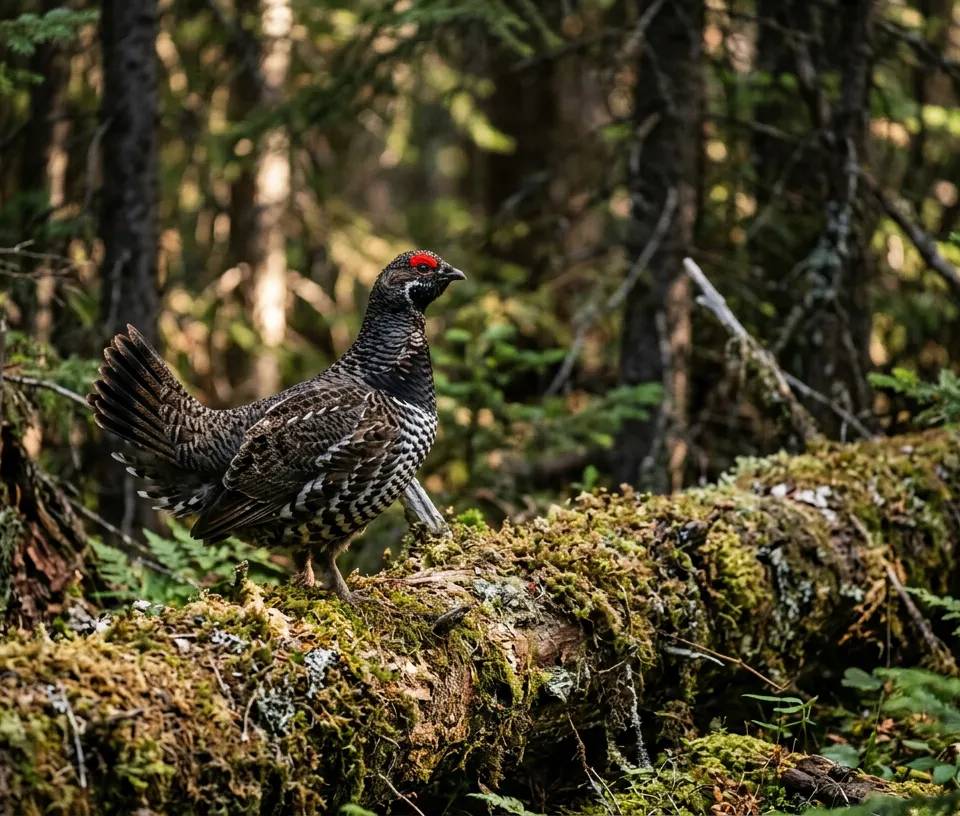
Spruce Grouse hunting takes you into the heart of the Canadian boreal forest, far from the beaten paths of the south. Known for its dark plumage and its preference for dense coniferous stands, this bird offers a unique challenge for those looking to explore the wilder parts of the country. This guide provides expert insights on how to locate and hunt this northern specialty.
Identifying the Spruce Grouse
Often confused with the more common Ruffed Grouse, the Spruce Grouse is a distinct species with specific adaptations for life in the taiga. It is generally darker and smaller than its southern cousin. The males are particularly striking with their slate-grey and black feathers, highlighted by a bright red comb above the eyes during the breeding season and fall.
Unlike the Ruffed Grouse, which is famous for its explosive flushes, the Spruce Grouse often remains perfectly still, relying on its impeccable camouflage. This behavior requires a keen eye from the hunter, as the bird can be sitting just a few feet away on a low spruce limb without being noticed.
Habitat and Feeding Habits
To find Spruce Grouse, you must head into the evergreen forests. They are rarely found in pure hardwood stands. Instead, they thrive among black spruce, jack pine, and balsam fir. Their diet consists heavily of conifer needles, especially in late fall, which gives their meat a darker, more robust flavor compared to other upland birds.
- Boggy edges. Look for areas where forest meets muskeg or peatlands.
- Logging roads. Birds often visit these openings to swallow grit, which helps them digest their fibrous diet.
- Berry patches. In early autumn, they frequent areas with blueberries or cranberries to supplement their diet before the snow falls.
Hunting Tactics and Gear
Successful hunting for this species is more about spotting than shooting. Because they allow for close encounters, a light-gauge shotgun such as a 20-gauge or even a .410 is usually sufficient. Some hunters prefer the precision of a .22 caliber rifle for headshots, preserving the meat of the breast.
Moving slowly through the forest is key. Stop every few steps and scan the lower branches of the trees rather than just the ground. If you are hunting with a dog, ensure they are trained to handle birds that stay put, as the lack of movement can sometimes make it harder for the dog to pin the scent compared to birds that run.
Booking Your Boreal Adventure
Selecting the right outfitter is crucial for a successful northern hunt. Look for outfitters located in the boreal zones of Quebec or other northern provinces. These specialists provide access to vast, remote territories where Spruce Grouse populations are naturally high and undisturbed.
When browsing our directory, look for outfitters that emphasize small game packages in coniferous regions. Contact them to ask about the age of the forest stands on their territory, as mid-age coniferous forests typically hold the highest densities. Booking through a professional outfitter ensures you have the logistical support needed for a safe and productive trip into Canada's wilderness.
Frequently asked questions
Is Spruce Grouse good to eat?
Yes, it is edible, though its meat is darker and has a stronger, more resinous flavor than Ruffed Grouse due to its diet of conifer needles. Many hunters enjoy this distinct wild taste.
When is the best time to hunt them?
Autumn is the ideal season, particularly from late September to mid-October, when the birds are active and the thinning foliage makes them easier to spot.
Where exactly are they found in Quebec?
They are primarily found north of the 48th parallel in spruce and jack pine forests, where they replace the Ruffed Grouse as the dominant upland species.
Why is it sometimes called a fool hen?
It is often called a 'fool hen' because of its tendency to stay still rather than fly away when approached, relying on camouflage which makes it seem unusually tame.
What is the best caliber for Spruce Grouse?
A small gauge like a .410 or 20-gauge shotgun is perfect, while a .22 LR rifle is also very popular for making precise shots that don't damage the breast meat.