Fishing
Targeting Trophy Northern Pike in the Laurentians
Master the art of locating big Laurentian pike by identifying key seasonal structures, from shallow spring bays to deep summer drop-offs.
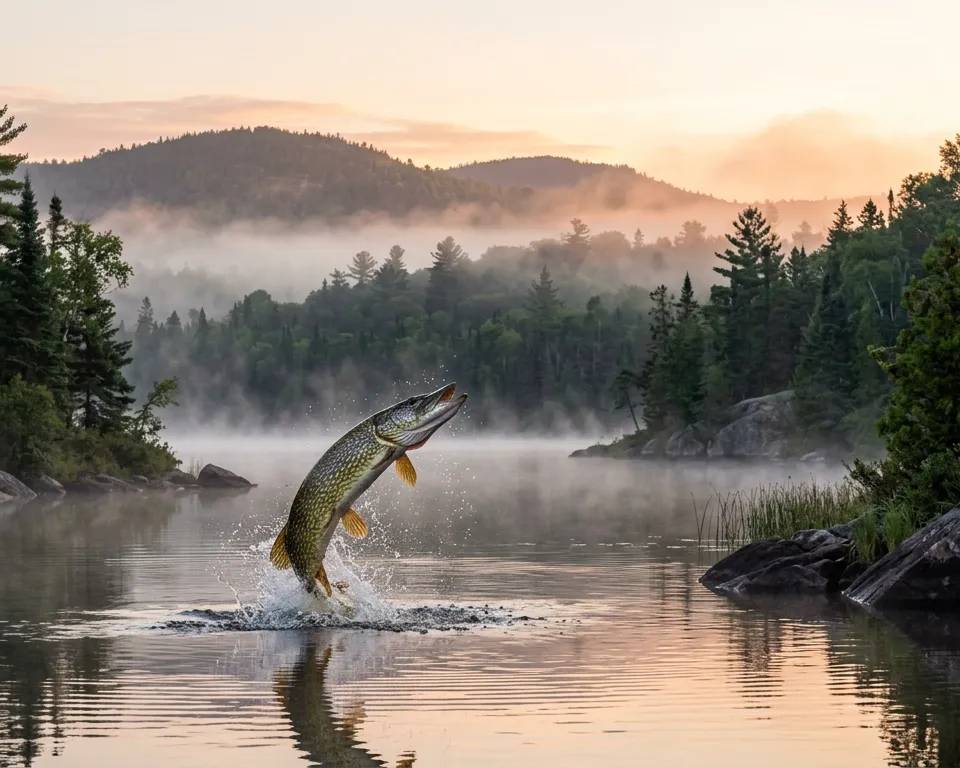
The Laurentians offer a diverse landscape of lakes where northern pike can reach impressive sizes. Success in these waters requires more than luck; it demands a strategic approach to seasonal movements and a keen eye for the specific structures that hold big fish.
Early Season Shallow Water Tactics
In the weeks following the ice-out, large pike migrate to shallow, sun-drenched bays. These areas act as thermal magnets, drawing in baitfish and providing the warmth necessary for post-spawn recovery. Look for bays with dark, silty bottoms that absorb heat more effectively than rock or sand.
- Sunlight exposure. North shores that receive direct southern sun often hold the most active fish during the spring months.
- Dead vegetation. The brown, submerged stalks from the previous year provide excellent cover for ambush predators before new weeds emerge.
- Stealth and speed. Large pike in shallow water are easily spooked. Use long casts and a slow, rhythmic retrieval with jerkbaits or lightweight spoons.
Hunting the Deep Weed Edges in Summer
As temperatures rise, trophy pike seek refuge in cooler, oxygen-rich environments. The biggest fish often leave the shallows to inhabit the deep edges of weed beds, particularly those located near significant drop-offs. This transition is crucial for maintaining their metabolic health during the heat of July and August.
- Strategic transitions. Focus your efforts where a thick weed bed meets a steep underwater cliff or a deep channel.
- Oxygen and shade. Large cabbage weeds are preferred by pike for the shade and high oxygen levels they provide compared to other aquatic plants.
- Vertical presentations. When fish are holding deep, heavy jigs or deep-diving crankbaits can reach the strike zone more effectively than surface lures.
Fall Movements and Large Profiles
Autumn is widely considered the best time for trophy hunting in the Laurentians. As water temperatures drop, pike become increasingly aggressive, feeding heavily to prepare for the winter months. They often move toward rocky points and reef structures that intercept migrating schools of whitefish or perch.
- Rock structures. Look for boulders and underwater points that extend into the main basin of the lake.
- Size matters. In the fall, match the hatch by using larger lures. A 6 to 10-inch swimbait or a massive bucktail spinner can trigger a strike from a territorial giant.
- Late season depths. Do not be afraid to fish deeper as the season progresses, sometimes as deep as 30 feet if that is where the baitfish are congregating.
Choosing the Right Outfitter
Booking a stay at a professional outfitter in the Laurentians is the most effective way to locate trophy pike. Local knowledge is irreplaceable, especially regarding which specific lakes within a territory are currently producing the largest specimens. When selecting an outfitter, inquire about their catch-and-release policies for large pike, as this ensures the sustainability of the trophy population. Many lodges also provide high-quality boats and sonar equipment, which are essential tools for mapping the underwater structures where the biggest fish hide.
Frequently asked questions
When is the best time for trophy pike in the Laurentians?
Early June and late September are the most productive times, as large specimens are found in more accessible, shallower waters during these periods.
Which lures are most effective for large pike?
Large spinnerbaits, Daredevle-style spoons, and oversized jointed swimbaits are classics that work exceptionally well in this region.
Should I use a steel leader?
Yes, a steel leader or heavy-duty fluorocarbon leader (80 lb+) is essential to prevent the pike's sharp teeth from cutting your line.
Where do pike hide during summer heatwaves?
They take refuge in deep weed beds (cabbage) or on steep drop-offs where the water is cooler and better oxygenated.
Is a fishing guide necessary?
While not mandatory, a guide will save you precious time by taking you directly to productive structures that are often hard to spot on large lakes.