Fishing
Timing Alberta’s Giant Pike: Why Early Season is the Trophy Window
Learn why Alberta's largest northern pike migrate to the shallows in late spring and how to time your outfitting trip for world-class trophy action.
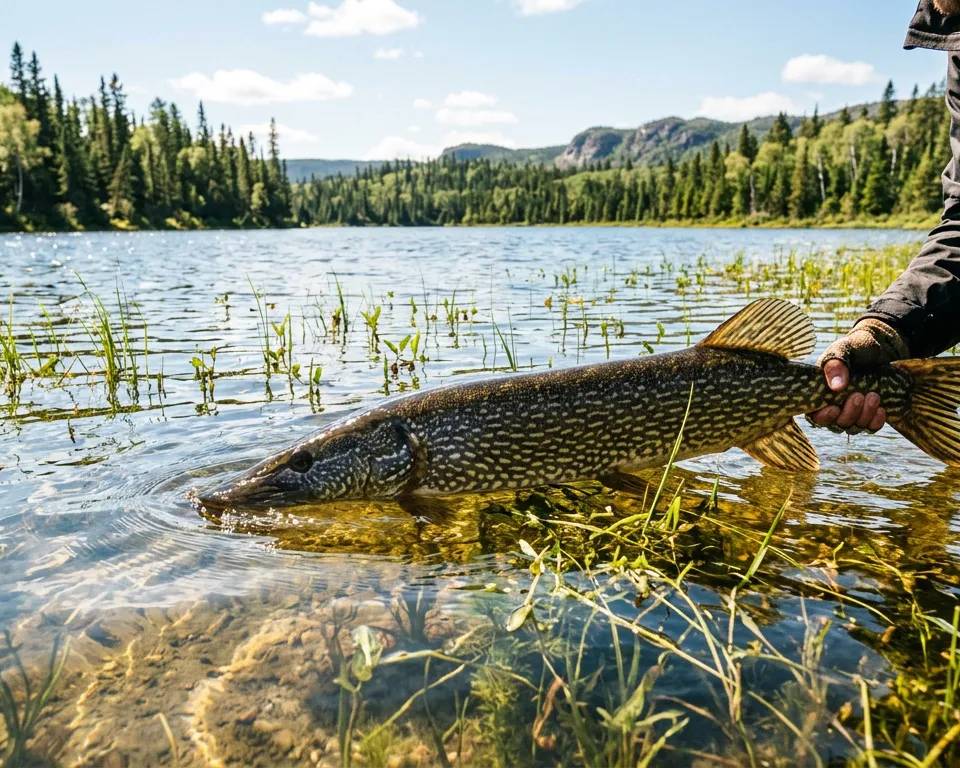
While many anglers associate trophy pike fishing with deep, mid-summer trolling, the real giants of Alberta are most accessible during a fleeting window in late spring. As the ice recedes from the vast lakes of the Parkland and Boreal regions, a biological shift occurs that brings the largest Northern Pike in the system into remarkably shallow water. Understanding this migration is the key to landing a career-best fish.
The Shallow Water Migration
Immediately following the spawn, large female pike do not retreat to the depths. Instead, they linger in shallow, sun-warmed bays to recover. These areas, often less than six feet deep, act as solar collectors. The warmer water boosts the fish's metabolism, triggering a post-spawn feeding frenzy. For a few short weeks, world-class trophies are within reach of short casts, providing some of the most exciting sight-fishing opportunities in North America.
Locating the Warmest Pockets
Success during this period depends on finding micro-climates within the lake. Expert outfitters look for specific indicators that signal pike presence:
- Dark Bottom Composition. Bays with mucky or organic bottoms absorb solar energy, warming the water faster than rocky shorelines.
- North Shore Protection. Bays located on the north side of a lake receive the most direct southern sunlight and are often shielded from cold spring winds.
- Emerging Vegetation. New weed growth or standing timber from the previous year provides the structural cover these predators need to ambush prey like Yellow Perch.
Strategic Tackle Selection
Because the fish are in shallow water, heavy hardware is often a liability. This is the season for large unweighted soft plastics, shallow-running jerkbaits, and even topwater lures. Fly fishing is exceptionally effective now, as large streamers can be hovered in the strike zone longer than traditional lures. The strikes are typically visual and violent, occurring right at the surface or just below it.
Timing Your Outfitting Trip
Timing is everything in Alberta. The 'shallow window' moves north as the season progresses. While southern regions might peak in late May, the northern reaches near the Peace River or Lakeland districts might not see this action until June. Booking with a professional outfitter allows you to tap into local knowledge regarding ice-out dates, ensuring your trip aligns with the peak movement of these apex predators.
How to Book and Prepare
To experience this prime season, start by browsing our directory for outfitters specialized in pike. Look for those who mention 'post-spawn' or 'shallow water' tactics. It is vital to book early, as the prime weeks are often reserved a year in advance. Always discuss equipment requirements with your guide, as spring weather in Alberta can be volatile, requiring high-quality waterproof gear and specialized tackle to handle these powerful, aggressive fish.
Frequently asked questions
What is the best month for trophy pike in Alberta?
The period between mid-May and mid-June is ideal, as large specimens are in shallow water after spawning. This is when they are most accessible and aggressive.
Do I need special equipment for spring fishing?
Yes, prioritize light lures or large flies to avoid snagging the shallow bottom. A medium-heavy action rod is necessary to handle fish over 40 inches.
Is catch and release mandatory?
Most high-quality outfitters strongly encourage catch and release for large spawners to preserve fishery quality. Check specific Alberta fishing zone regulations with your guide.
Are pike harder to catch in shallow water?
No, they are often easier to spot, but they can be spooky. A quiet approach by boat or canoe is essential not to scare them in less than 4 feet of water.
What is the difference between spring and summer fishing?
In summer, large pike move to deeper, cooler water, requiring trolling techniques. In spring, they are near the shore, allowing for more active and visual casting fishing.