Fishing
Mastering Drop-Shot and Tubes on the St. Lawrence River
Learn how to master drop-shot and tube-jig techniques to land trophy smallmouth bass in the heavy current of the St. Lawrence River.
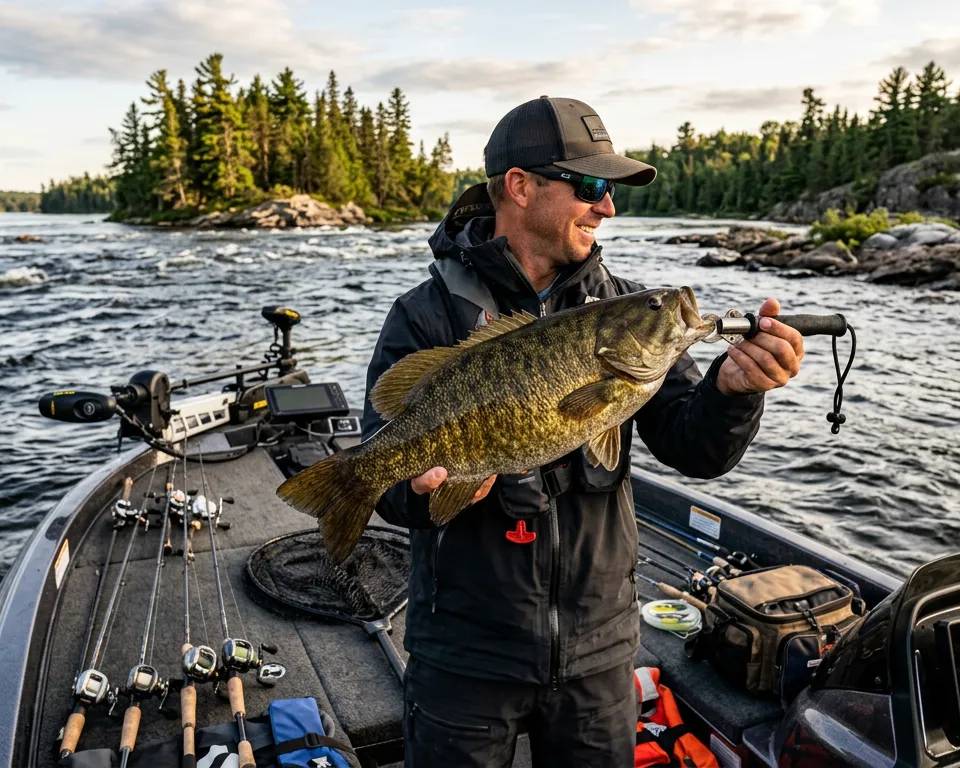
The St. Lawrence River is a legendary destination for smallmouth bass, known for producing fish with unmatched stamina. The combination of heavy current and jagged rock shoals creates a challenging environment where standard techniques often fail. To consistently land these bronze-backed fighters, you must master two specific presentations: the drop-shot and the tube-jig. These methods allow you to pinpoint fish in deep water while maintaining control against the river's flow.
Heavy Duty Drop-Shotting
While drop-shotting is often viewed as a finesse technique, the St. Lawrence requires a "power-finesse" approach. The goal is to keep your bait stationary near the bottom while your boat drifts with the current or stays anchored over a structure.
- Upsizing Weights. Forget light weights. Use 1/2 oz or even 3/4 oz tungsten weights to ensure you are maintaining vertical contact with the bottom in 20 to 40 feet of water.
- Bait Selection. Slim, baitfish-imitating plastics work best. Gobies and emerald shiners are the primary forage, so choose shapes that match these profiles.
- Snag Resistance. Use a teardrop-shaped weight which slips through rock crevices more easily than round weights.
The Art of Dragging Tubes
Tube-jigs are perhaps the most productive lures in the history of St. Lawrence bass fishing. They perfectly mimic the scuttling movement of crayfish and invasive gobies across the river's rocky floor.
- The Dragging Technique. Instead of hopping the jig, let the current drag it slowly across the rocks. This creates a natural movement and a clicking sound that triggers aggressive strikes.
- Rigging for Success. Use a 1/4 to 3/8 oz tube head. If the wind picks up, don't be afraid to go heavier to maintain that crucial bottom contact.
- Colors. Stick to natural hues. Dark greens, browns, and sand colors are most effective in the clear water typical of the river.
Finding the Sweet Spots
The St. Lawrence is full of "dead water." To find the smallmouth, you must look for current breaks and depth transitions. Large rocky shoals that rise out of deep channels act as natural buffets for bass.
- Current Edges. Look for where fast water meets slow water. Bass sit on the edge of these seams to conserve energy while watching for prey.
- Deep Flats. In mid-summer, look for expansive flats in 25 feet of water with a mix of gravel and boulders. These areas hold large schools of nomadic smallmouth.
Gear for Maximum Fight Intensity
A St. Lawrence smallmouth uses the current to its advantage, making a three-pounder feel like a six-pounder. You need high-quality spinning tackle to handle the pressure.
- Rods. A 7-foot to 7-foot 6-inch medium-heavy spinning rod provides the leverage needed to pull fish away from sharp rocks.
- Line Strategy. Use a high-visibility braided main line to detect subtle bites, paired with an 8 to 10-pound fluorocarbon leader for invisibility and abrasion resistance.
Booking Your River Adventure
The St. Lawrence is a massive body of water with complex navigation. Booking a professional outfitter is the best way to ensure a productive trip. Outfitters provide specialized bass boats equipped with high-end electronics capable of spotting fish in deep current. When browsing our directory, look for outfitters who mention "St. Lawrence River" specifically, as river fishing requires different skills than lake fishing. Check for guide availability, especially during the prime months of July through September, and confirm if they provide all the specialized terminal tackle needed for a successful day on the water.
Frequently asked questions
What is the best time of year for this type of fishing?
Mid-July through late September is ideal, as smallmouth are highly active on deep rocky structures. Warmer water temperatures boost their metabolism, making them extremely hard fighters.
What weight is recommended for the river current?
For drop-shotting, use between 3/8 and 3/4 oz depending on current strength and depth. It is crucial that your weight maintains bottom contact at all times to be effective.
Is fluorocarbon mandatory?
Yes, because the St. Lawrence water is very clear and the rocks are abrasive. Fluorocarbon provides the necessary stealth and better resistance to cuts from stones and zebra mussels.
Can you fish the river without a guide?
It is possible, but risky for beginners due to currents, shoals, and heavy commercial traffic. An outfitter ensures your safety and takes you directly to the most productive areas.
What are the best soft baits for drop-shotting?
Three to four-inch goby imitations and slender minnow baits are top performers. Colors like brown, olive green, and perch patterns are reliable choices.