Fishing
Musky Fishing in the Laurentians: Chasing the Fish of Ten Thousand Casts
Master Musky fishing in the Laurentians. Learn how to target this legendary predator, from reading weed beds to conquering the fish of ten thousand casts.
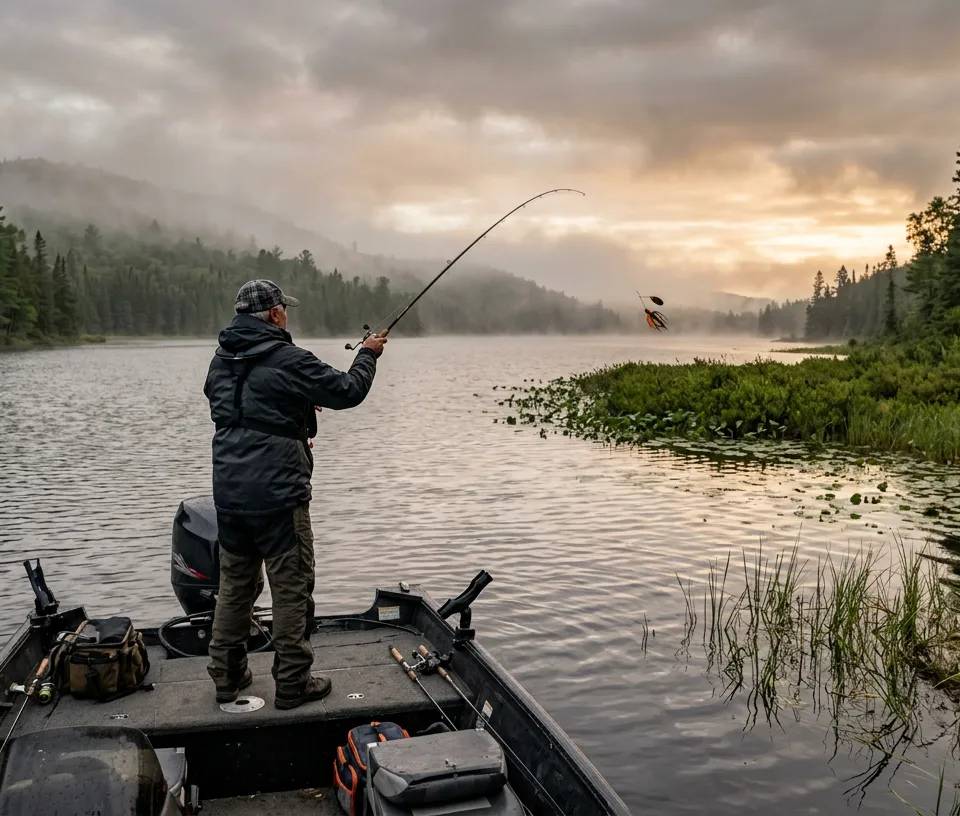
Musky fishing in the Laurentians is more than just a hobby; it is a mental and physical pursuit. Known as the fish of ten thousand casts, this apex predator demands unwavering patience and a tactical approach to submerged structures to earn a legendary fight. This guide prepares you for the deep weed beds and dark waters where trophy specimens lurk.
Identifying Laurentian Musky Habitat
In the river systems and lakes of the Laurentians, Musky behave as ambush predators. They rarely roam open water without purpose, preferring strategic positions. Experienced outfitters recommend focusing on weed edges, specifically where dense vegetation meets deeper drop-offs. Sharp transitions, such as rocky points or sandbars near subtle current breaks, are prime areas. These zones provide the cover necessary to surprise prey while remaining close to cooler, deeper resting areas.
Weather Conditions for Success
Musky activity often peaks when the weather takes a turn for the worse. Overcast skies, a steady chop on the surface, and a falling barometer are classic signs of a productive day. Local guides observe that transitions in light, such as dawn and dusk, frequently trigger feeding windows. However, a sudden shift in wind direction can be the catalyst that moves baitfish schools, subsequently activating the large predators following them.
Lure Selection and Presentation
Success requires the stamina to cast heavy lures throughout the day without losing focus.
- Lure Size. Do not hesitate to use massive bucktails or crankbaits ranging from 8 to 12 inches.
- The Figure-Eight. At the end of every retrieve, always perform a figure-eight maneuver alongside the boat. Many Muskies follow the lure all the way back and will only strike during this final change of direction.
- Color Choice. In the tea-colored or amber waters common to the region, bright colors like orange, chartreuse, or high-contrast patterns often outperform natural imitations.
The Mental Game: Persistence is Key
The Musky's reputation is well-earned; you may spend eight hours without a strike only to experience thirty seconds of pure adrenaline. Maintaining total concentration on every cast is vital. Expert anglers suggest varying the retrieve speed frequently to trigger a reaction strike from a curious follower. A single follow or a missed strike is often enough to justify the entire trip, as it confirms the presence of an active trophy in the area.
How to Choose and Book Your Outfitter
To maximize your chances, select an outfitter specialized in Musky conservation. Laurentian establishments provide boats equipped with large livewells and specialized cradles or nets to ensure the fish's safety. When booking, ask about the resident guides' knowledge of the specific water body. A guided trip is highly recommended for first-timers to bypass hours of unproductive searching. Consult our directory to find outfitters that promote catch-and-release, ensuring the continued health of the Musky population for future generations.
Frequently asked questions
What is the best time of year for Musky in the Laurentians?
Late summer and fall are the most productive periods, as fish feed heavily before winter. Cooler water temperatures stimulate their aggression.
What basic equipment should I bring?
Bring a heavy-action rod, a reel with a strong drag system, and braided line of at least 80 lb test. A steel or heavy fluorocarbon leader is mandatory.
Is catch-and-release mandatory?
While regulations vary, most specialized outfitters strongly encourage catch-and-release to preserve this slow-growing species. Proper handling is essential.
Why perform a figure-eight with the lure?
Musky often follow the lure to the boat without striking. The sudden change of direction in a figure-eight often triggers a reflex strike at close range.
Can you fly fish for Musky?
Yes, this technique is growing in popularity. It requires 10 to 12-weight rods and very large flies to move enough water to attract attention.