Fishing
Numbers or Giants: Choosing the Right Alberta Walleye Lake
Learn how to choose between high-action lakes and trophy waters for your next Alberta walleye fishing adventure with expert advice on local regulations.
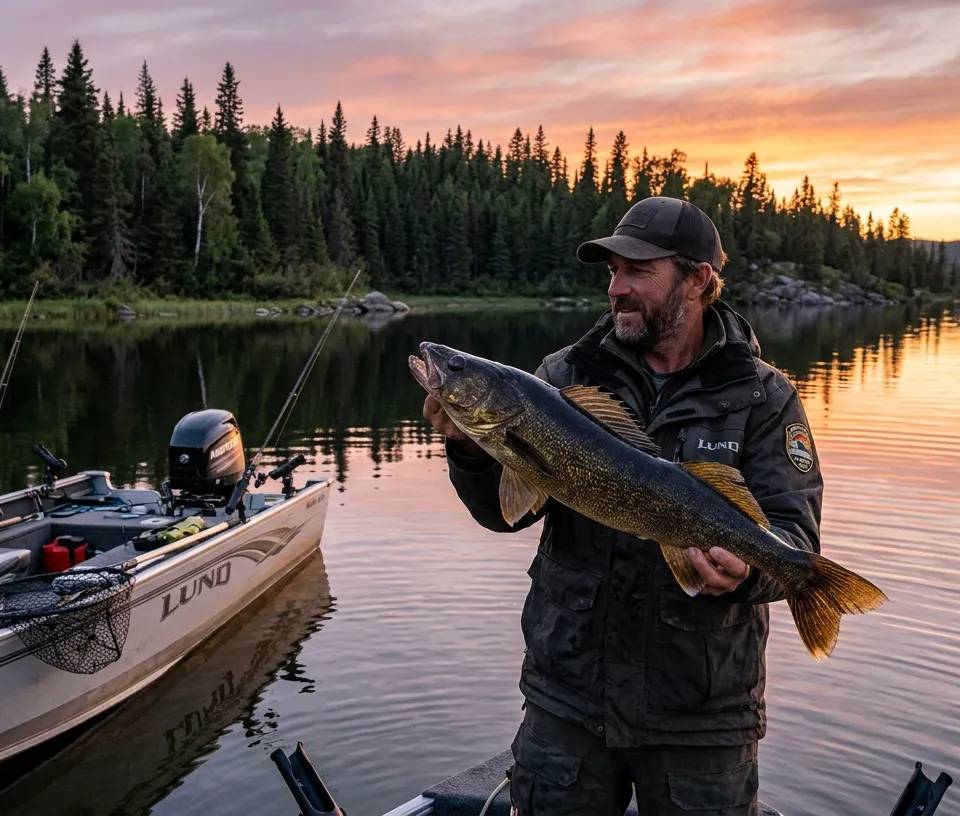
Alberta offers a diverse range of walleye fishing experiences, from southern irrigation reservoirs to the deep, cold waters of the northern boreal forest. Success starts with knowing whether you want a high-frequency action day or a dedicated hunt for a wall-hanger. This guide breaks down how to choose the right destination based on your goals and the province's unique management systems.
High-Action Lakes vs. Trophy Waters
- Numbers lakes. Many southern reservoirs are incredibly productive, offering non-stop action where landing 50 fish a day is not uncommon. These are typically smaller Walleye in the 14 to 18-inch range, perfect for introducing new anglers to the sport.
- Trophy destinations. If you are chasing a double-digit fish, you need to head toward the northern regions or specific lakes with high minimum size limits. These waters require patience and a different tactical approach, often using larger jigs or deep-diving crankbaits to target solitary giants.
Navigating Harvest Regulations
Alberta uses a unique Special Harvest Licence (SHL) system for many of its top walleye waters. This means that keeping a fish for the pan often requires winning a tag through a draw system months in advance. However, many outfitters operate on lakes with catch-and-release regulations or specific size brackets that allow for limited harvest. If a shore lunch is a mandatory part of your trip, communicate this early to your outfitter so they can steer you toward the right waterbody.
Regional Differences in Habitat
In the central and southern regions, walleye are often found around submerged humps and weed edges in relatively shallow, stained water. As you move into the Lakeland and Peace River regions, the lakes become deeper and clearer. Here, fish tend to relate more to steep drop-offs and rocky points. Understanding these geographical differences helps you pack the right gear and set realistic expectations for your trip.
The Advantage of Guided Expeditions
Professional guides in Alberta are experts at navigating the shifting regulations and weather patterns of the prairies and the north. A guided trip not only increases your catch rate but also ensures you are fishing within the legal framework of the specific lake. They provide the specialized sonar and boat equipment needed to stay on the fish as they migrate from spring spawning bays to summer flats.
Booking Your Alberta Walleye Trip
When selecting an outfitter, ask about their primary lake's current population health. A reputable outfitter will be honest about whether the lake is currently "on fire" for numbers or if it is producing large individuals. Look for packages in the Lakeland or Peace regions for a true wilderness experience. Always confirm if your host provides assistance with the Alberta RELM licensing system to ensure you have all necessary permits before you hit the water.
Frequently asked questions
Do I need a special license to keep walleye in Alberta?
Yes, on many lakes, you must win a Special Harvest Licence (SHL) through a draw system. Some lakes allow limited harvest without a tag, so checking the current year's regulation guide is essential.
When is the best time for trophy walleye in Alberta?
While June is excellent for high volumes of fish, September and October are often preferred for trophies. Fish move closer to shallow structures and feed aggressively before winter.
Which lures are most effective for Alberta walleye?
A jig and minnow (or soft plastic) remains a timeless classic. In deeper reservoirs, trolling crankbaits is highly effective for covering ground and locating active schools.
Can you fish for walleye near Edmonton or Calgary?
Yes, several reservoirs and lakes like Pigeon Lake or Buffalo Lake are accessible within a few hours. These waters are very popular and often have catch-and-release regulations to maintain fishing quality.
Do outfitters provide all the necessary equipment?
Most fishing outfitters in Alberta offer all-inclusive packages including the boat, fuel, and fishing gear. This is an excellent option for those who don't want to transport their gear over long distances.