Fishing
Smallmouth Bass in the Laurentians: A Hidden Canadian Gem
Explore the thrill of Laurentian smallmouth bass fishing, focusing on rocky structures and aggressive topwater action in the heart of Canada.
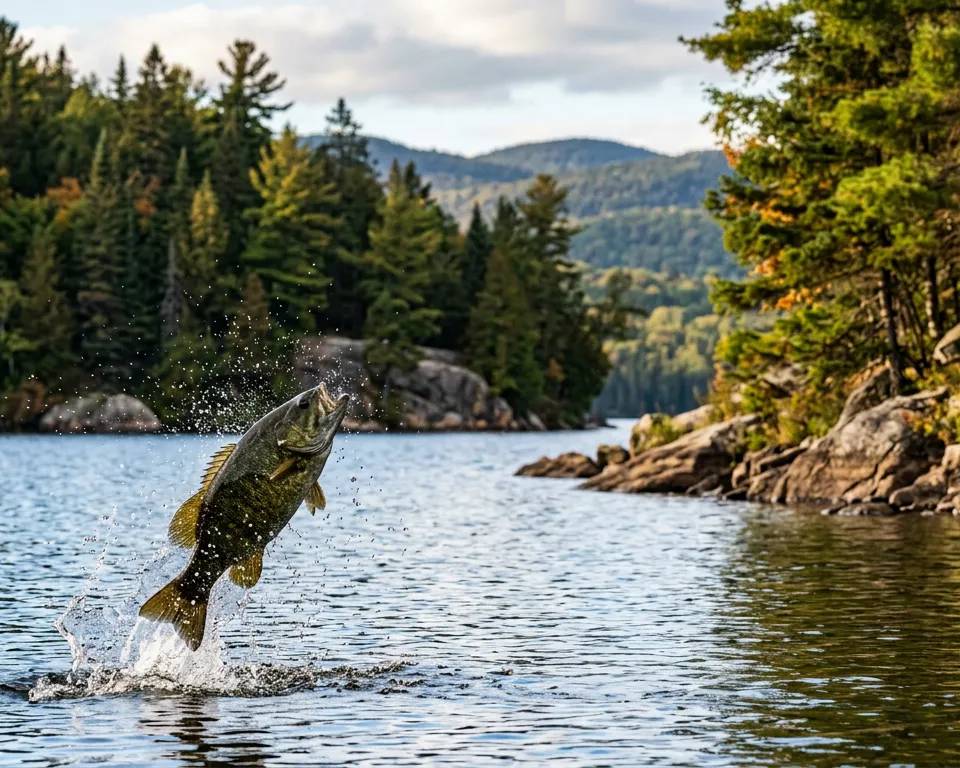
The Laurentians region offers some of the most spectacular smallmouth bass fishing in North America, yet it remains a hidden gem for many anglers. These rugged Canadian shield lakes, characterized by clear water and dramatic rock formations, provide the perfect playground for this aggressive fighter. By focusing on underwater structures and utilizing topwater tactics, you can experience a world-class fishing adventure right here in Canada.
Targeting Rock and Hard Bottoms
Smallmouth bass are intrinsically linked to rocky environments. In the Laurentians, the key is to find variety in the bottom composition. Boulders, gravel bars, and fractured bedrock provide the essential cover and feeding grounds these fish crave. Unlike the Largemouth, the Smallmouth prefers the stability and temperature of deeper rocky slopes, often staying close to steep drop-offs during the heat of the day. Navigating these areas requires precision, but the rewards are hard-hitting strikes from healthy, wild fish.
The Thrill of Topwater Action
There is no fishing experience more visceral than seeing a smallmouth bass launch itself out of the water to crush a surface lure. The exceptional water clarity in this region means bass can spot movement from several meters away. Using poppers, walkers, or buzzbaits during low-light conditions—at dawn or dusk—is highly effective. The echo of a popper against a rocky cliff face can draw fish from the depths for a spectacular surface explosion that defines Laurentian fishing.
Strategic Use of Transition Lines
While rocks are the primary focus, the biggest smallmouth often inhabit the boundaries. Transition lines where a boulder field meets a weed bed or a sandy patch are high-traffic zones for predators. These edges allow bass to move between different feeding opportunities. Anglers should cast along these margins, alternating between surface lures and sub-surface jigs to determine exactly where the fish are holding based on the time of day and barometric pressure changes.
Seasonal Patterns and Water Temperatures
Understanding the seasonal movement of smallmouth is vital for success in the Laurentians. In early summer, fish are found in shallower rocky flats. As the water warms, they migrate toward deeper shoals and underwater humps. Professional outfitters in the region track these migrations closely, helping guests transition from shallow casting to vertical jigging or drop-shotting as the season progresses. The cool nights of the Canadian shield help maintain optimal oxygen levels, keeping the fish active even in mid-summer.
Booking Your Laurentian Adventure
Selecting the right outfitter is the first step toward a successful trip. Laurentian outfitters provide the local expertise needed to navigate the complex underwater topography of these ancient lakes. Many lodges offer specialized equipment and guiding services tailored to the specific needs of bass anglers. To ensure the best experience, book your trip early, especially for the prime early-summer and fall windows. An outfitter's knowledge of local "honey holes" will save you hours of searching and put you right on the action.
Frequently asked questions
What is the best time of day for topwater fishing?
The first few hours after sunrise and the last few hours before sunset are ideal. Bass are most likely to hunt at the surface during these low-light periods.
What types of rocks should I prioritize?
Look for a mix of large boulders and gravel. Rock slides at the base of cliffs and rocky shoals that drop off steeply into deep water are excellent spots.
Does water clarity in the Laurentians affect color choice?
Yes, in clear water, stick to natural colors like green, brown, or translucent. Under overcast skies, darker or more contrasting colors can help the fish track the lure better.
Is smallmouth bass present in all Laurentian lakes?
It is very common, but it prefers deeper, rocky lakes. It is always best to confirm the presence of the species with your outfitter before booking.
Should I use braided line or monofilament?
For topwater fishing, monofilament or braid is preferred because they float. For deep fishing with soft baits, a fluorocarbon leader is essential for invisibility in clear water.