Fishing
Walleye in Abitibi: How to Choose the Right Lake for Your Fishing Style
Learn how to choose the perfect Abitibi water body based on your goals: high walleye numbers, trophy specimens, or total boreal forest isolation.
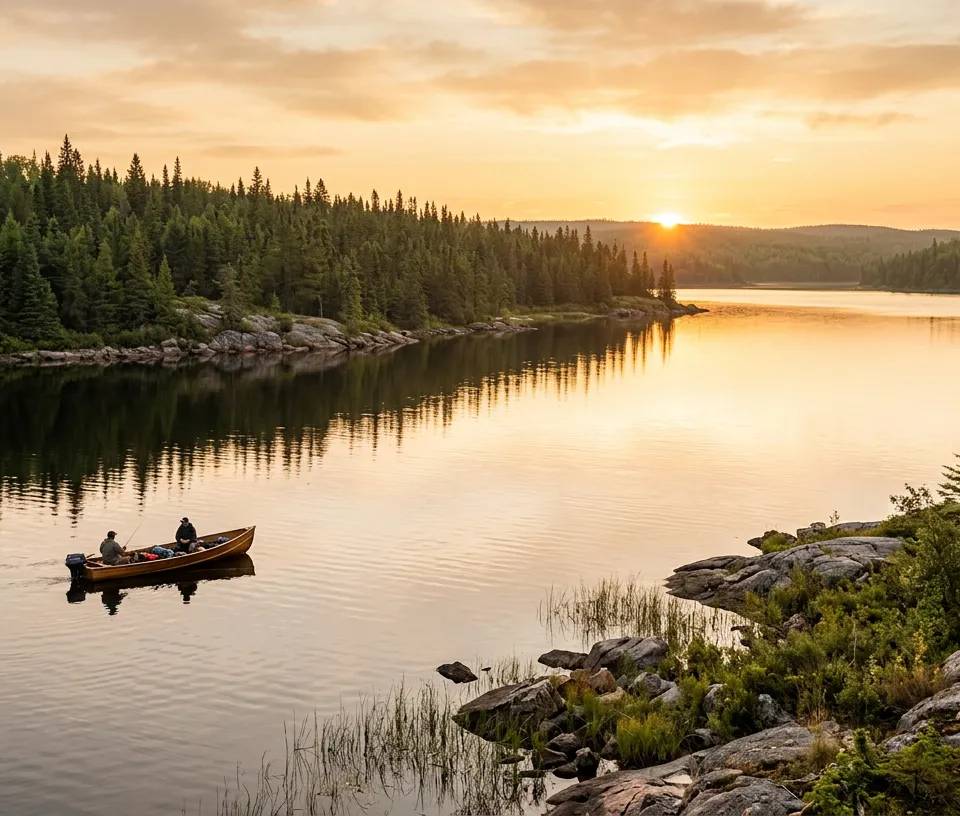
Abitibi-Témiscamingue is a legendary destination for walleye enthusiasts, offering a variety of water bodies that cater to very specific expectations. Whether you are seeking high numbers for a shore lunch or chasing a trophy specimen, understanding the region's lake dynamics is essential for a successful trip.
Large Reservoirs for Active Prospecting
Vast expanses of water, such as the Decelles or Cabonga reservoirs, are dynamic environments where walleye constantly move according to bottom structures. These areas are perfect for anglers who enjoy navigating and using sonar to track schools of fish.
- Bottom structure. Rocky points, submerged plateaus, and old riverbeds are walleye magnets.
- Abundant forage. These large systems support massive populations of baitfish, allowing for frequent catches.
- Navigation. Bring a stable boat, as winds can pick up quickly on these large open surfaces.
Boreal Forest Lakes for Solitude
If your priority is isolation and connecting with nature, smaller lakes located deeper in the boreal forest are ideal. These bodies of water often feature clearer or slightly amber-colored water, typical of the Canadian Shield.
- Precision fishing. Here, fine techniques are preferred, such as vertical jigging along weed lines or drop-offs.
- Specimen quality. While perhaps less numerous than in reservoirs, walleye in these wild lakes often reach impressive sizes due to low fishing pressure.
- Exclusivity. Many outfitters offer exclusive access to these lakes, ensuring you are the only one on the water.
River Systems and Shallow Bays
During the early season or on windy days, Abitibi’s river systems and protected bays offer exceptional fishing conditions. Walleye are often more predictable here, congregating in areas with moderate current.
- Spawning areas. After the ice melts, walleye stay near river mouths and rapids.
- Turbid waters. Walleye love Abitibi’s stained waters, which allow them to hunt actively even in bright daylight.
- Technical simplicity. These spots are ideal for introducing beginners, as the bites are usually aggressive.
Choosing Your Outfitter and Booking
To maximize your success, have an honest conversation with the outfitter before booking. Ask about the dominant bottom type and which techniques work best on their specific territory. In Abitibi, the season generally runs from late May through September, but June and July are often the most productive months for walleye. Most regional outfitters offer packages including cabin lodging, boats, and motors. For a seamless experience, check if guiding services are available for the first few days to help you decode the lake more quickly.
Frequently asked questions
What is the best time to fish for walleye in Abitibi?
The peak of activity is usually from the opening in May until mid-July, although fishing remains excellent in September as the water cools down.
Do I need to bring my own equipment to the outfitter?
Most outfitters provide the boat and motor, but you should bring your own rods, lures, and personal life jackets.
Which lure color works best in Abitibi?
Due to the often stained water, bright colors like chartreuse, orange, and pink (firetiger patterns) are particularly effective.
Is it necessary to hire a guide?
It is not mandatory, but highly recommended for the first few days on a large reservoir to quickly locate productive structures.
What are the walleye fishing quotas in this region?
Limits vary by fishing zone and specific water bodies; it is essential to consult current regulations or ask your outfitter.