Fishing
Big Pike in Mauricie: Where and When to Target Trophy Fish
Learn the best times and locations to target trophy northern pike in Mauricie with expert tips on lake types and seasonal patterns for big fish.
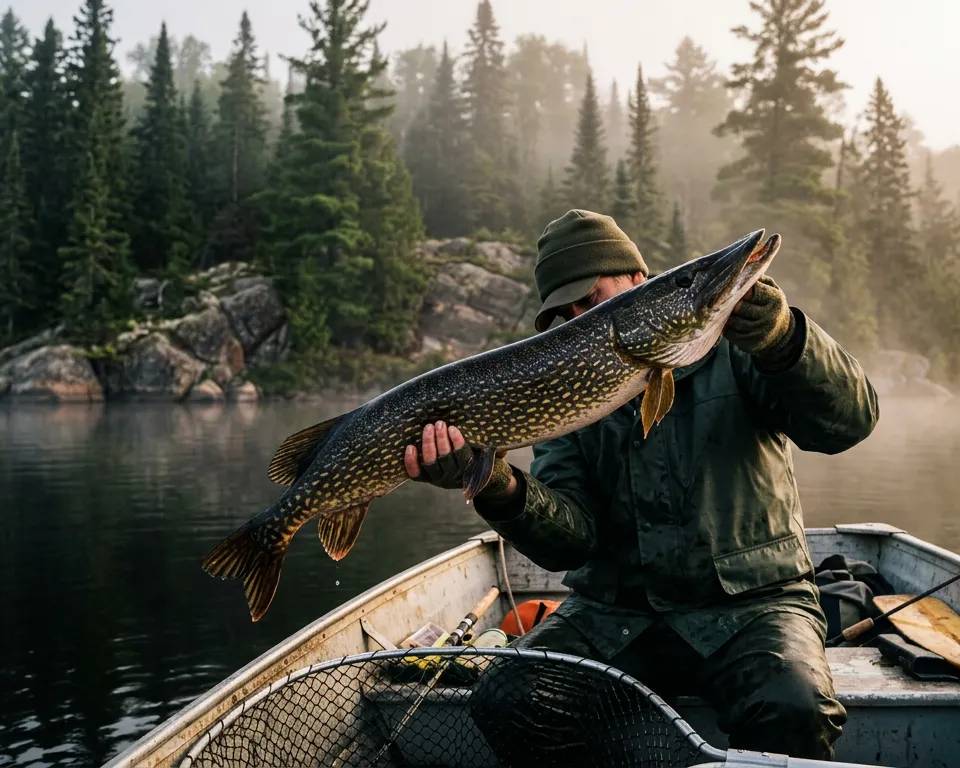
Mauricie is a legendary destination for pike anglers, characterized by its vast river systems and deep boreal lakes. While small northern pike are abundant, landing a true trophy requires a strategic approach tailored to the region's specific geography. This guide outlines the essential patterns and locations to help you secure a memorable catch in the heart of the Canadian wilderness.
Prime Seasons for Giants
In Mauricie, the window for massive pike is relatively short and closely tied to water temperature. Timing your trip correctly is the first step toward success.
- Early Spring Shallow Patterns. Just after the ice melts, large females move into shallow, dark-bottomed bays to spawn and soak up the sun. During this period, large jerkbaits or flies worked slowly through the weeds can be devastatingly effective.
- Late Fall Transition. As water temperatures drop in late September, the biggest fish move back toward shallower structures from their summer haunts. They become highly focused on large prey to prepare for the long winter, making this the best time for oversized lures.
Identifying Trophy Waters
Not all lakes are created equal when it comes to growing giant fish. Understanding the ecosystem is key to choosing the right outfitter.
- Large River Systems. The Saint-Maurice River and its expansive reservoirs provide the perfect habitat for pike to reach massive proportions. Look for areas where tributary streams enter larger bodies of water, creating oxygen-rich environments.
- Cold-Water Lakes. Some of the heaviest pike in the region are found in lakes that also host lake trout. These pike often follow schools of whitefish or cisco into open water, growing thick and powerful on a high-protein diet.
Tactics for the Shield Landscape
Fishing the Canadian Shield means dealing with rugged underwater topography. To find the big ones, you must look beyond the obvious shorelines.
- The Deep Edge. While smaller pike stay in the weeds all summer, trophies often hover just outside the deepest edge of weed beds or along steep underwater cliffs.
- Current Breaks. In river environments, look for large boulders or points that break the current. Big pike are ambush predators that prefer to sit in the slack water just behind a fast current, waiting for food to be swept toward them.
Booking Your Mauricie Adventure
Choosing a professional outfitter is the most reliable way to access prime pike territory. Many outfitters in Mauricie offer specialized packages for trophy hunters, including sonar-equipped boats and experienced guides who understand the seasonal migrations of these predators. When booking, ask about the lake's history for large catches and whether they practice catch-and-release for larger specimens to maintain a healthy trophy population. Our directory allows you to filter by region and specialty, ensuring your next trip puts you in the best position to land the fish of a lifetime.
Frequently asked questions
What is the best time of day for big pike?
In Mauricie, low-light periods like dawn and dusk are excellent, but windy, overcast days often allow you to catch active specimens throughout the entire day.
What lures do you recommend for trophies?
Use large pike lures such as oversized spoons, 6 to 9-inch crankbaits, or bulky bucktails to discourage smaller fish and attract the giants.
Is it necessary to hire a guide?
While not mandatory, an outfitter guide knows the hidden underwater structures and big pike travel corridors, which significantly increases your chances of success.
Where do big pike hide in mid-summer?
Large specimens dislike warm water; they often move deeper, near thermoclines or close to cooler water sources like deep bay bottoms.
Is catch-and-release encouraged?
Yes, most quality-focused outfitters recommend releasing large spawners to preserve the genetics and trophy population in their lakes.