Fishing
Fly-In Fishing Lodges in Canada: The Complete Guide
Discover the ultimate Canadian fishing adventure at remote fly-in lodges. Expert advice on planning, packing, and booking your wilderness fishing trip.
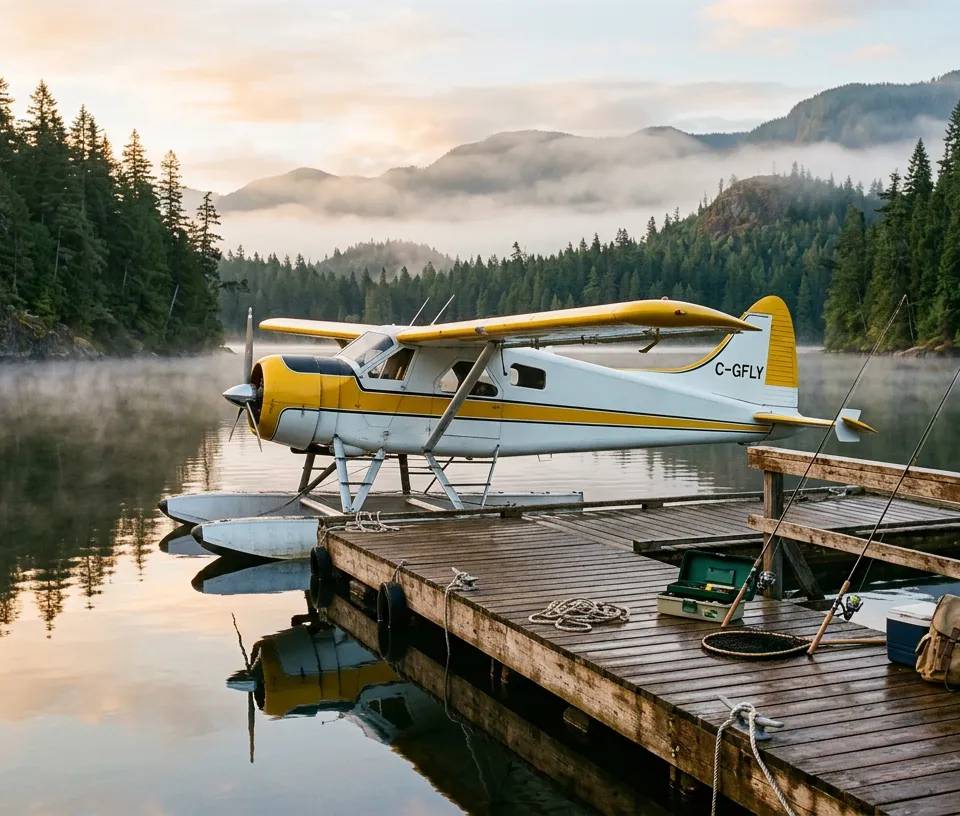
The roar of the floatplane's radial engine as it skips across the water signals the start of an unparalleled adventure. Leaving roads and cell service behind to fly into a remote, untouched lake is the ultimate Canadian angling dream. Accessing wilderness lodges by air ensures you are fishing waters that see virtually zero pressure, resulting in explosive action and frequent trophy catches. From the sprawling Canadian Shield of Ontario, Manitoba, and Saskatchewan to the rugged landscapes of British Columbia and the Far North, a fly-in fishing trip offers profound isolation. It is just you, your fishing buddies, the haunting call of the loon, and fish that are incredibly eager to strike.
Choosing Your Fly-In Experience
Canadian outfitters cater to every style of angler, offering distinct levels of service and isolation.
- The American Plan (Full Service): Designed for anglers who want a seamless, luxury experience. Every detail is handled, from chef-prepared meals and daily maid service to expert guides who navigate the waters and prepare traditional shore lunches.
- The Housekeeping Plan: You stay in comfortable cabins at the main lodge but bring and cook your own food. This provides access to the lodge’s premium boats and staff advice while keeping the overall cost of the expedition more manageable.
- The Outpost Camp: The pinnacle of wilderness isolation. The floatplane drops your group at a solitary cabin on a private lake and leaves. You are entirely self-sufficient, managing your own cooking, cleaning, and navigating until the plane returns days later.
Prime Destinations and Target Species
Canada’s sheer size means your choice of destination dictates your target species and fishing style.
- Walleye and Northern Pike: The vast lake systems of Northern Ontario, Manitoba, and Saskatchewan are the undisputed champions for these species. Anglers can expect non-stop walleye action for the frying pan and aggressive strikes from massive, toothy pike hiding in the weed beds.
- Lake Trout and Arctic Grayling: Heading further north into the Northwest Territories, Yukon, and Nunavut opens up crystal-clear, deep cold-water lakes. Here, you can troll for giant lake trout and cast dry flies for beautifully finned Arctic grayling in the tributaries.
- Pacific Salmon and Steelhead: Coastal and interior British Columbia feature remote lodges accessible by helicopter or floatplane. These pristine rivers offer world-class fly fishing for salmon and acrobatic steelhead in stunning mountainous valleys.
Navigating Floatplane Logistics
Flying in small bush planes requires careful planning and strict adherence to aviation rules.
- Strict Weight Limits: Every pound matters on a floatplane. Outfitters enforce strict luggage allowances per person, which often includes your clothing, fishing gear, and beverages. Overpacking is simply not an option.
- Soft-Sided Luggage: Leave the hard-shell suitcases at home. You must pack your gear in soft duffel bags that can be easily squished and maneuvered into the irregular cargo holds or floats of the aircraft.
- Weather Delays: Bush flying operates under visual flight rules. Morning fog, low cloud ceilings, or high winds can delay your flight in or out of camp. Always build a buffer day into your travel itinerary before your commercial flight home.
Essential Gear for Remote Camps
When you are hundreds of miles from the nearest tackle shop, packing smart is crucial to your success.
- Curated Tackle Selection: Do not bring every lure you own. Contact your outfitter beforehand to identify the top producing baits for their specific lake, and pack a streamlined tackle box with duplicates of those proven winners.
- Dependable Rain Gear: High-quality, breathable rain gear is non-negotiable. Weather shifts rapidly in the north, and staying completely dry while fishing from an open boat is essential for your comfort and safety.
- Protective Rod Tubes: The logistics of loading and unloading gear into small aircraft can be tough on equipment. Always transport your rods in sturdy, hard plastic tubes to prevent snapped tips before you even cast a line.
How to Choose and Book Your Outfitter
Planning a fly-in fishing trip usually requires booking six to twelve months in advance, especially for highly coveted outpost camps. Start by gathering your group and agreeing on the primary goal: is it hunting for a specific trophy fish, enjoying sheer volume of catches, or relaxing with high-end lodge amenities? Next, establish a realistic budget, keeping in mind that the charter flight significantly impacts the final price. When contacting outfitters, ask detailed questions about their aircraft fleet, flight times from the base, and exactly what is included in the weight allowance. Be sure to inquire about the condition of their boats, motors, and fish finders. Utilize our directory filters to explore regions, whether you want to experience fishing in Manitoba or a rugged adventure in the Northwest Territories. Having an open, detailed conversation with the lodge owner is the absolute best way to ensure you select the right outfitter and secure the fishing trip of a lifetime.
Frequently asked questions
Do I need to bring my own fishing gear to a fly-in lodge?
It depends on the package you choose. American plan lodges often provide high-quality rods and reels, while outpost camps require you to bring all your own gear. Always confirm with the outfitter before packing.
What happens if the weather is bad on my flight day?
Floatplanes operate under visual flight rules and cannot fly in fog, heavy rain, or high winds. Your flight will be delayed until it is safe to fly. You should always plan an extra day in your travel schedule to account for potential weather delays.
Is alcohol included in the strict weight limit?
Yes, all liquids, including alcohol and water, count towards your total weight allowance. Since liquids are heavy, many anglers choose to pre-order beverages through the outfitter so they are flown in separately or waiting at camp.
Can beginners go on a fly-in fishing trip?
Absolutely. If you are a beginner, booking an American plan with a daily guide is highly recommended. The guide will teach you the techniques, handle boat navigation, and ensure you have a safe and successful experience.
What kind of boats are provided at remote outposts?
Remote outposts typically provide sturdy 14 to 16-foot aluminum utility boats powered by 9.9 to 20 horsepower outboard motors. These boats are perfect for navigating smaller remote lakes safely and efficiently.