Hunting
Deer Hunting in Ontario: Complete Guide to Success
Pursue white-tailed deer across Ontario. Key habitats, stand strategies, rut management, and regulations: everything you need to plan a memorable hunting trip.
Key takeaways
- The season generally runs from October through December, depending on firearm types and wildlife management units.
- Southern agricultural woodlands and northwestern transitional forests support the densest, most robust deer populations.
- Stationary stand hunting along feeding corridors remains the most effective technique throughout the entire season.
- Hunters must carry a valid Outdoors Card, deer hunting licence, and unit-specific tag.
- Actively monitor transition zones between croplands and thick cover during the mid-November rut peak.
How to identify Deer in Ontario?
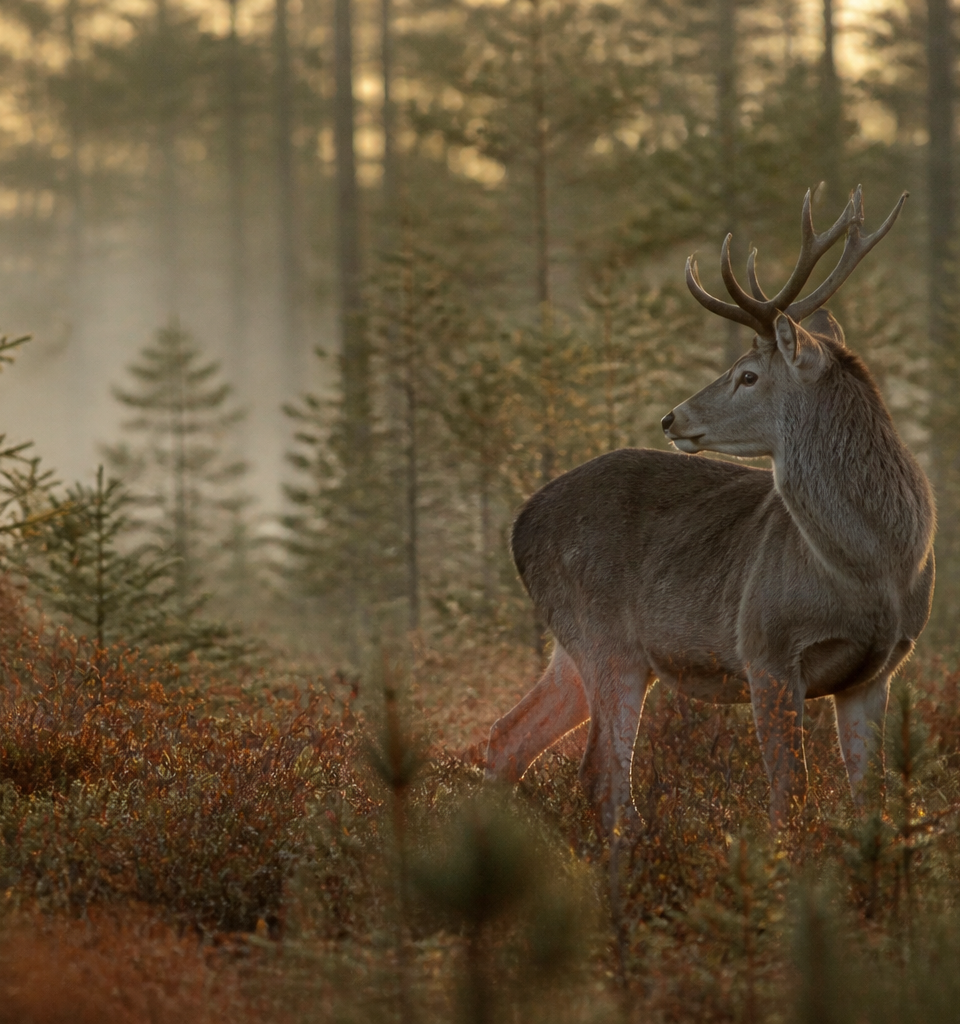
White-tailed deer are easily recognized by their reddish-brown summer coat that turns grayish-brown in the fall, along with their characteristic white tail raised high when alarmed. Known for their athletic build, these big game animals are built for quick escapes through dense terrain. In Ontario, mature bucks can weigh well over 200 pounds and develop impressive antlers with points branching off a main forward-curving beam.
Distinguishing a mature buck from a young buck or doe requires a careful look at body morphology. Older bucks display a thick neck during the autumn rut, a deep chest, and a level back that sags slightly with age. Their antlers feature heavy bases and substantial mass throughout. Does and fawns show a sleeker head profile, proportionally larger ears, and more nervous footwork during their daily travels.
Positively identifying your target before pulling the trigger is both an ethical and safety requirement. Take the time to assess posture, behavior, and the presence of small spike antlers on yearling bucks. Low light conditions at dawn and dusk in mixed or boreal forests can deceive even seasoned hunters, making bright, premium optics essential.
Where do Deer live across Ontario?
Deer inhabit agricultural transition zones in southern Ontario, mixed forests throughout the east, and expansive woodlands across the northwest. The province features an exceptional range of productive deer habitats. In the south, fragmented woodlots bordering corn and soybean fields provide high-protein forage and immediate security cover, fueling rapid herd growth and trophy antler development.
In central and eastern Ontario, the Canadian Shield hills, dominated by stands of maple, oak, and hemlock, offer classic big-woods habitat where deer feed heavily on hard mast like acorns and beechnuts. Further northwest, around Kenora, Dryden, and Rainy River, deer navigate vast boreal landscapes, relying on young aspen regeneration and cedar swamps to endure harsh winters. If you enjoy targeting multiple species on a northern excursion, the ultimate small game road trip in Ontario provides a great overview of these wilderness expanses.
Land access varies significantly by region. Southern Ontario consists almost entirely of private land where written landowner permission is mandatory. In contrast, central and northwestern regions feature vast tracts of Crown land open to public hunting, offering a true wilderness tracking experience much like Deer hunting in Manitoba: tips for a successful hunt.
Mature Deer behavior and seasonal patterns
Deer behavior revolves around four major seasonal phases that govern their movements, feeding patterns, and level of caution. During spring and summer, deer stay relatively quiet, rebuilding energy reserves and growing velvet-covered antlers. Bucks often gather in peaceful bachelor groups, while does drop and raise their fawns in secluded, quiet pockets.
By late summer, velvet shedding signals the pre-rut. Buck testosterone levels surge, breaking up summer bachelor groups. Bucks begin rubbing their antlers against saplings to mark their territory visually and deposit forehead scent. They also create ground scrapes beneath overhanging licking branches, creating scent hubs where they urinate to broadcast their presence and social status.
The rut peaks in November, completely changing the habits of even the wariest bucks. Mature deer cover large distances at all hours of the day to scent-check receptive does. Once breeding winds down, winter pushes deer into dense yards, often centered around thermal cedar swamps and conifer stands, where they minimize movement to conserve energy through deep snow and freezing temperatures.
When is the best time to hunt Deer in Ontario?
The most productive window to harvest a mature buck in Ontario runs from late October through late November, during peak rut activity. Throughout these weeks, mature bucks let down their guard as they search for does, offering your best opportunity to intercept deer that remain strictly nocturnal during the rest of the year.
Weather conditions play a major role in your odds of success. A sudden cold front paired with rising barometric pressure reliably triggers midday feeding movement. Crisp, cold, overcast days often produce steady deer activity from daylight to dusk. On the other hand, heavy gale-force winds and unseasonable warmth keep deer bedded tightly in thick timber.
First snowfall provides an unmatched tactical edge. It boosts visibility through open woods, highlights fresh tracks, and confirms active bedding areas and travel lines. Early morning sits remain classic, but during the November rut, the midday window between 10:00 AM and 2:00 PM yields an impressive number of trophy buck encounters.
How to locate prime Deer travel corridors
Finding deer consistently requires pinpointing natural terrain funnels that link bedding cover to prime food sources. Forest edges along agricultural fields, timber points extending into crop clearings, and conifer strips paralleling creeks act as natural travel corridors. These routes allow deer to move safely while remaining sheltered.
Scouting aerial satellite maps paired with ground verification is essential. Look for fresh rubs on young alders or sumac and active scrapes along established trails. Placing trail cameras along these funnels lets you pattern local buck quality, movement timing, and herd density without putting excessive pressure on the area.
Across the rugged terrain of eastern Ontario, rock ridges and saddles between elevation changes channel deer with pinpoint accuracy. For hunters familiar with Atlantic woods hunting, such as Deer hunting in New Brunswick: guides and advice, reading forest sign in rough country follows the exact same principles where contours dictate travel routes.
Proven hunting tactics for trophy Deer
Elevated stand hunting remains the gold standard for intercepting deer in mixed woods and along field edges. Positioning a treestand or ladder stand five to six meters off the ground keeps you above a buck's direct line of sight and helps disperse your scent plume. This approach demands strict patience and total stillness for long hours, especially during prime morning and evening movement.
Still hunting, or slow ground stalking, excels on damp, rainy, or windy days when the elements mask footsteps. It involves easing forward into the wind, stopping to glass every opening for several minutes before taking another couple of steps. This challenging method delivers unmatched excitement and lets you slip into bedding areas unnoticed.
Calling and scent tactics can be deadly during the rut. Antler rattling that mimics two fighting bucks or soft tending grunts can draw aggressive, territorial bucks within range. Use calls sparingly, however, as pressured bucks quickly learn to associate frequent artificial calling with human presence.
Choosing the right gear for hunting Deer
A precise, dependable firearm or bow forms the core of your deer hunting kit. For rifle hunters, versatile calibers like .308 Winchester, .270 Winchester, or 6.5 Creedmoor deliver flat trajectories and ample knockdown power. Bowhunters should rely on a well-tuned compound bow or modern crossbow paired with razor-sharp broadheads for clean, ethical pass-throughs at close range.
Your layering system must handle the unpredictable swings of an Ontario autumn. Use a three-layer setup: a breathable merino wool base layer to wick moisture, an insulating fleece or synthetic down mid-layer, and a quiet, windproof, waterproof outer shell. High-quality insulated boots with aggressive traction are essential for keeping feet warm during long, stationary vigils on frozen stands.
Do not overlook vital optics and safety equipment. Clear 8x42 or 10x42 binoculars allow you to scan dense cover without shifting your weapon. A quality laser rangefinder eliminates distance guesswork in open fields. Finally, always pack a sharp skinning knife, a reliable headlamp with extra batteries, a compact first-aid kit, and sturdy drag rope to secure your harvest.
Deer hunting regulations and licences in Ontario
To hunt white-tailed deer in Ontario, every hunter must possess a valid Outdoors Card, a deer hunting licence, and the correct deer tag. The province is divided into numerous Wildlife Management Units (WMUs), each governed by specific season dates, harvest quotas, and equipment regulations for firearms, muzzleloaders, or archery gear. Detailed official hunting regulations can be reviewed through the Government of Ontario.
Hunter orange requirements are strictly enforced during all open gun seasons for deer. Hunters must wear a solid hunter orange hat and a garment covering the upper body with at least 400 square inches of solid blaze orange. Respecting private property boundaries is critical: crossing fences or hunting private acreage without explicit permission is a serious offence that carries heavy fines.
Once an animal is down, regulations mandate attaching the official tag to the carcass immediately before moving it. Hunters must also submit their mandatory harvest reports within the provincial timeline. Regulations change annually: always verify the exact rules before heading into the field.
Wild Deer herd management and conservation
Sustainable management of Ontario's white-tailed deer populations relies on rigorous scientific monitoring and strong collaboration between biologists and hunters. Wildlife authorities adjust antlerless deer tag allocations annually across each management unit to balance herd density with forest carrying capacity, while minimizing crop damage and vehicle collisions.
Severe winter conditions and predation by timber wolves, coyotes, and black bears exert continuous natural pressure on deer herds, particularly across northern units. Local conservation groups and hunting clubs actively support winter deer yard preservation and wildlife corridor restoration. These efforts ensure vital thermal cover and food supplies during prolonged cold snaps.
By harvesting game responsibly, hunters play a direct role in biological conservation. Selective harvesting prevents overpopulation, curbs the spread of wildlife diseases, and protects forest understories from heavy overbrowsing. This conservation ethic ensures healthy deer herds for future generations.
Guided outfitter trips for hunting Deer
Booking a guided outfitter trip is the premier way to maximize your success while experiencing Ontario's top deer hunting territories. Local professional guides scout their hunting concessions year-round. They know local herd movements, feeding patterns, and where the biggest bucks hide throughout the season.
All-inclusive packages take the stress out of securing private land access or navigating remote Crown land terrain. Outfitters provide heated box blinds or strategically placed ladder stands, complete game care facilities with walk-in coolers, and comfortable camp accommodations after long days in the woods. By booking with vetted deer hunting outfitters in Ontario, you gain access to proven territory and professional wilderness expertise.
Whether you want to challenge giant farm-country bucks in the south or pursue heavy-bodied wilderness bucks across the northern forests, start planning your next hunt with MyOutfitters today to find the perfect adventure for your goals.
Frequently asked questions
When does the Deer rut begin in Ontario?
The deer rut in Ontario typically begins in late October, peaking between November 10 and November 20. During this intense window, bucks cover extensive ground day and night in search of receptive does. It is the ideal time to use calls, scent tactics, and watch active travel corridors.
Where are the biggest Deer found in Ontario?
The largest white-tailed deer in Ontario are generally found in the agricultural regions of southwestern Ontario and the northwestern forests near Rainy River, Kenora, and Dryden. These areas combine protein-rich farm crops with dense timber cover, producing heavy body weights and trophy-class antler growth.
Do you need a guide to hunt Deer in Ontario?
Non-residents of Canada are not legally required to hire a licensed guide to hunt deer in most Ontario management units, though doing so is strongly recommended. Southern private lands require landowner permissions, and vast northern Crown land demands local knowledge. Outfitters provide managed private leases, prepared stands, and local field expertise.
What is the best caliber for hunting Deer in Ontario woods?
The .308 Winchester and .270 Winchester are among the most reliable choices for deer hunting in Ontario. Both offer excellent accuracy, manageable recoil, and ample energy for clean, ethical harvests. The .30-06 Springfield and 6.5 Creedmoor are also widely used, proven options.
How much does an Ontario Deer hunting licence cost?
Licence fees vary depending on residency, with Ontario residents paying less than non-resident Canadian or international hunters. Total costs include the Outdoors Card, the small game or base hunting licence, and the deer-specific tag. Check the official provincial licensing portal for current pricing tables.
What is the difference between archery and rifle Deer seasons in Ontario?
Archery seasons run for a much longer period, typically opening in early October and continuing into December across many wildlife management units. Rifle seasons are much shorter and concentrated, often lasting one or two dedicated weeks in November. Hunter orange rules apply primarily during active gun seasons.
Can you legally bait Deer in Ontario?
Baiting deer is generally permitted in Ontario, but hunters must adhere to local municipal bylaws and specific property rules. Baiting is prohibited in certain protected areas and where municipal ordinances forbid wildlife feeding. Hunters should use clean, safe feed to avoid creating health risks for local wildlife.
How do you transport a harvested Deer in Ontario?
You must notch and attach your valid transportation tag directly to the deer carcass immediately after harvest before moving it. The animal's sex must remain identifiable during transport to your residence or butcher facility. You must also submit your mandatory harvest report online or by phone within provincial deadlines.
What hunter orange clothing is required for Deer hunting in Ontario?
During open gun seasons for deer, you must wear a solid hunter orange hat and a solid hunter orange garment covering your upper body, totaling at least 400 square inches. Camouflage orange does not meet the legal requirement unless it contains the mandatory solid continuous orange surface area.
Do bowhunters need to wear hunter orange during archery Deer season in Ontario?
Bowhunters are not required to wear hunter orange during dedicated archery-only seasons in Ontario. However, if an open gun season for deer, moose, or elk is running concurrently in that Wildlife Management Unit, all hunters in the field must wear mandatory solid hunter orange.