Hunting
Deer Hunting in Nova Scotia: Complete Guide
Discover the secrets of deer hunting in Nova Scotia: coastal habitats, peak rut timing, proven strategies, and expert tips for a successful hunt.
Key takeaways
- The general firearm season typically runs from late October to early December depending on the zone.
- Agricultural edges in the Annapolis Valley and mixed Acadian forests provide prime coastal habitats.
- Tree stand hunting over travel and feeding corridors yields excellent results during the peak rut.
- Non-residents must hold a valid provincial licence and hunt with a certified guide.
- Choose quiet, waterproof clothing to handle coastal humidity and frequent wind shifts.
Identifying Deer in the Field
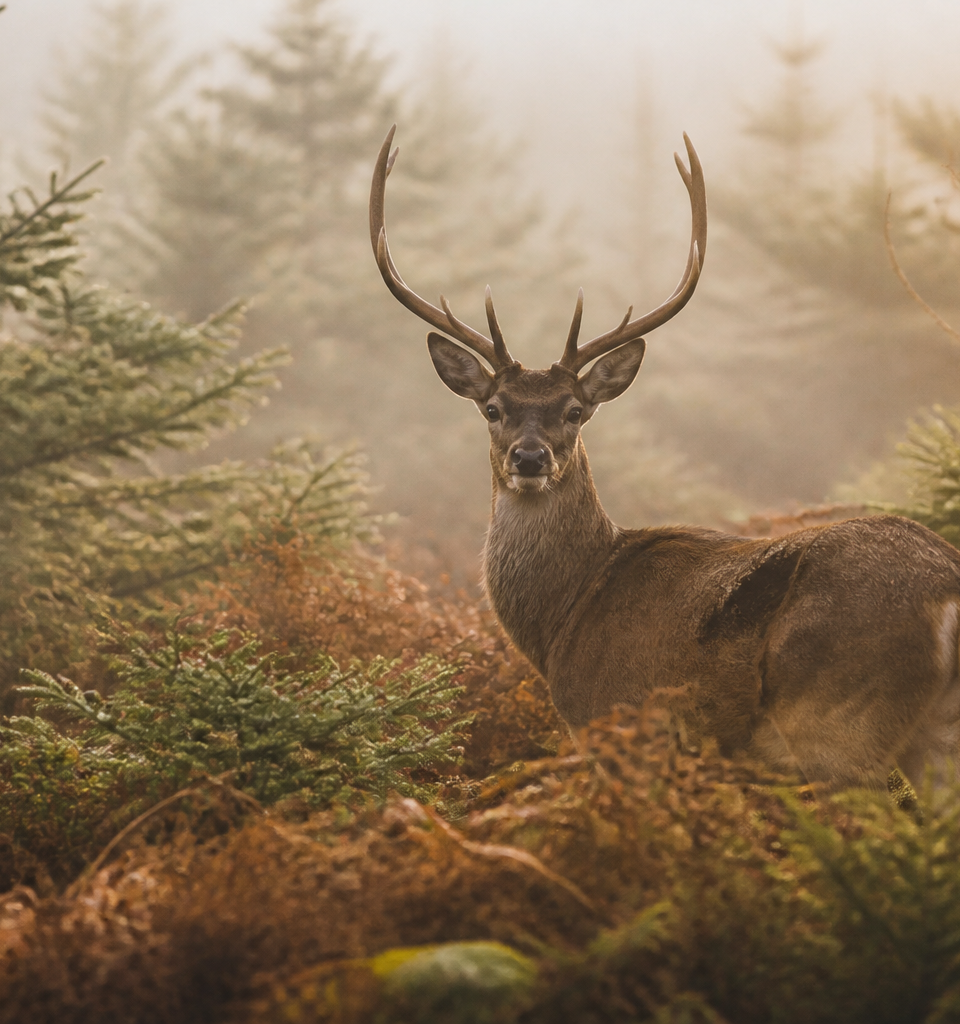
White-tailed deer stand out with their impressive antlers, reddish summer coats that turn grayish-brown in the fall, and the broad white underside of their tail raised when alerted. In Nova Scotia, these deer carry athletic frames well suited to Atlantic weather, with mature bucks frequently exceeding ninety kilograms prior to the rut.
Field identification in dense woods requires attention to several physical traits. Beyond the buck's forward-curving main beams with vertical tines, look for distinct white rings around the eyes and muzzle, as well as a clean white throat patch. Spotting these markers helps hunters quickly distinguish mature bucks from does or young spikes through thick cover.
Where to Find Deer in Nova Scotia?
Deer thrive primarily in transition zones where the Acadian forest meets agricultural fields, bogs, and orchards across the province. The highest densities are found in fertile valleys like the Annapolis Valley, as well as throughout central and northern mainland counties, where abundant food sources support strong herds.
Mixed woods of spruce, balsam fir, red maple, and yellow birch provide both thermal cover and diverse browse. Much like the coastal ground explored during Deer Hunting in New Brunswick: Guide and Tips, Nova Scotia's maritime microclimates strongly influence local deer movement, concentrating animals along sheltered ridges and protected shorelines.
Understanding Seasonal Deer Behaviour
Deer behaviour follows a predictable pattern through the autumn months, driven first by heavy feeding and later by the breeding frenzy of November. In early fall, family groups feed actively at dawn and dusk to build fat reserves, bedding quietly in thick cover during the warmer midday hours.
When the rut peaks in mid-November, mature bucks drop their usual caution to cruise wide territories in search of receptive does. This behaviour mirrors patterns seen in other eastern provinces, as detailed in our guide to Deer Hunting in Quebec: Complete Guide and Tips, where active scrapes and fresh rubs become primary signposts for intercepting a travelling buck.
When to Hunt Deer in Nova Scotia?
The premier window for deer hunting in Nova Scotia coincides with the peak of the rut, typically spanning the second and third weeks of November. Daylight buck movement surges during this period, creating prime opportunities for ethical shot placement once leaf drop opens up forest sightlines.
Coastal weather also dictates hunting success. Cool, calm, overcast days following a maritime front trigger intense feeding and cruising activity. Conversely, heavy coastal storms with gale-force winds push deer deep into softwood cedar bottoms and protected draws.
Scouting and Locating Deer in Nova Scotia
To locate deer consistently, focus on natural travel corridors connecting bedding areas to rich food sources such as wild apple orchards and recent forest cuts. Fresh tracks in soft soil, recent droppings, and raw rubs on saplings form the foundation of effective scouting.
Trail cameras placed along major trail intersections reveal herd routines without creating unnecessary pressure. Pay special attention to soft edges between dense conifer stands, which serve as thermal cover, and regenerating hardwood cuts packed with nutritious browse.
Effective Deer Hunting Strategies
Stand hunting from elevated tree stands or ground blinds remains the most productive tactic in Nova Scotia's thick woods. Setting up downwind along established travel routes allows hunters to catch cruising deer off guard.
During the rut, vocal calling with grunt tubes or estrus bleats, paired with subtle antler rattling, can lure territorial bucks into range. For still-hunters, damp weather offers an excellent opportunity to stalk quietly across wet leaf litter along wooded ridges.
What Gear to Choose for Hunting Deer?
Maritime deer hunting demands gear that resists persistent moisture and stays silent during movement. Versatile calibres like the .308 Winchester, .270 Winchester, or .30-06 Springfield paired with quality low-light optics excel across typical forest shooting distances.
Unlike the vast open spaces featured in our Deer Hunting Guide in Saskatchewan: Trip Planning, Nova Scotia's dense woodlands call for breathable layering, quiet fleece outerwear, and waterproof insulated boots. A pair of compact, high-clarity binoculars is essential for picking apart dark timber at first and last light.
Deer Hunting Regulations and Licences in Nova Scotia
Deer hunting in Nova Scotia is organized by Deer Management Zones that define quotas, season dates, and antlerless deer stamp allocations. Hunters must carry appropriate firearm safety certifications and wear the required amount of solid hunter orange visible from all angles.
Non-resident hunters must legally engage the services of a certified guide or a registered resident host to hunt big game in the province. For current season dates, antlerless draw information, and harvest limits, consult the official Government of Nova Scotia website. Regulations change annually: always verify official rules before your trip.
Deer Conservation and Management in Nova Scotia
Sustainable herd management in Nova Scotia relies on winter severity tracking and aerial population surveys conducted by provincial wildlife biologists. Mild winters boost fawn recruitment, whereas deep snowfalls can strain populations, prompting biologists to adjust antlerless harvest allocations.
Hunters contribute directly to management efforts by registering their harvest and submitting biological data. This partnership helps maintain a balanced deer population that supports healthy forest regeneration while offering sustainable hunting opportunities.
Booking a Guided Deer Hunting Trip
Booking a guided outfitter hunt maximizes your time in the woods by leveraging deep local knowledge of deer patterns, property boundaries, and seasonal movements. Professional guides spend months pre-scouting corridors and maintaining safe, well-positioned blinds.
Staying with trusted Deer Hunting Outfitters in Nova Scotia provides comfortable accommodations, game care, and seamless logistics in the heart of Atlantic Canada's deer country.
Ready for an unforgettable adventure across Nova Scotia? Explore available packages now and find the ideal hunting experience on MyOutfitters.
Frequently asked questions
When does deer hunting season open in Nova Scotia?
The general firearm season usually opens on the last Friday of October and runs through the first Saturday of December. Dedicated archery and muzzleloader seasons typically precede the general season depending on the Deer Management Zone.
Is a guide required for non-residents hunting deer in Nova Scotia?
Yes, non-resident hunters must be accompanied by a licensed Nova Scotia hunting guide or a qualified resident host. This legal requirement supports hunter safety and promotes ethical hunting practices across the province.
Where are the biggest deer found in Nova Scotia?
Agricultural areas in the Annapolis Valley and central counties like Colchester and Cumberland consistently produce some of the province's heaviest bucks due to rich food sources and diverse forest cover.
What is the best rifle calibre for deer hunting in Nova Scotia?
The .308 Winchester, .270 Winchester, and .30-06 Springfield are among the most popular and effective calibres. They deliver flat trajectories, solid brush penetration, and clean knockdown power at common woodland ranges.
Can you harvest an antlerless deer in Nova Scotia?
Harvesting an antlerless deer requires a valid antlerless deer stamp won through the annual provincial draw. Standard deer licences generally permit the harvest of an antlered buck only, as defined by provincial regulations.
What is the best time of the rut to hunt deer in Nova Scotia?
Mid-November represents the peak of the rut in Nova Scotia, particularly between November 10 and November 25, when mature bucks actively seek does during daylight hours.
What clothing should you wear for maritime deer hunting?
Dress in a breathable, moisture-wicking layering system topped with a waterproof, silent outer layer made of fleece or brushed wool. Solid hunter orange clothing is a mandatory legal requirement and must be worn at all times.
How does coastal weather affect deer hunting in Nova Scotia?
Shifting coastal winds and morning fog make scent management and visibility challenging. Hunters should plan stands around local wind currents and hunt actively during the calm windows immediately following coastal storms.
What is the most effective deer hunting method in Nova Scotia?
Hunting from an elevated stand or ground blind positioned along transition zones and feeding corridors is the most reliable method. Incorporating soft grunts or rattling during the rut often brings cruising bucks into close range.
What is the annual bag limit for deer in Nova Scotia?
The standard provincial bag limit is one deer per hunter per licence year. Depending on draw results and management zones, this may be an antlered buck or an antlerless deer if you hold the appropriate stamp.