Hunting
Deer Hunting in Alberta: Complete Guide and Tips
Discover the secrets of deer hunting in Alberta: key habitats, the November rut, extreme cold gear, and proven tactics for a successful expedition.
Key takeaways
- The season runs from September through late November, depending on the wildlife management unit and weapon type in Alberta.
- Deer frequent wooded coulees, fertile agricultural edges, and the province's transition boreal forest.
- Still hunting from heated box blinds or ground blinds remains the most effective technique in severe cold.
- Non-resident Canadian and international hunters must hunt with an accredited Alberta outfitter or guide.
- High-quality, multi-layered thermal clothing is essential for enduring motionless hours in sub-zero temperatures.
Identifying trophy Deer on an Alberta hunt
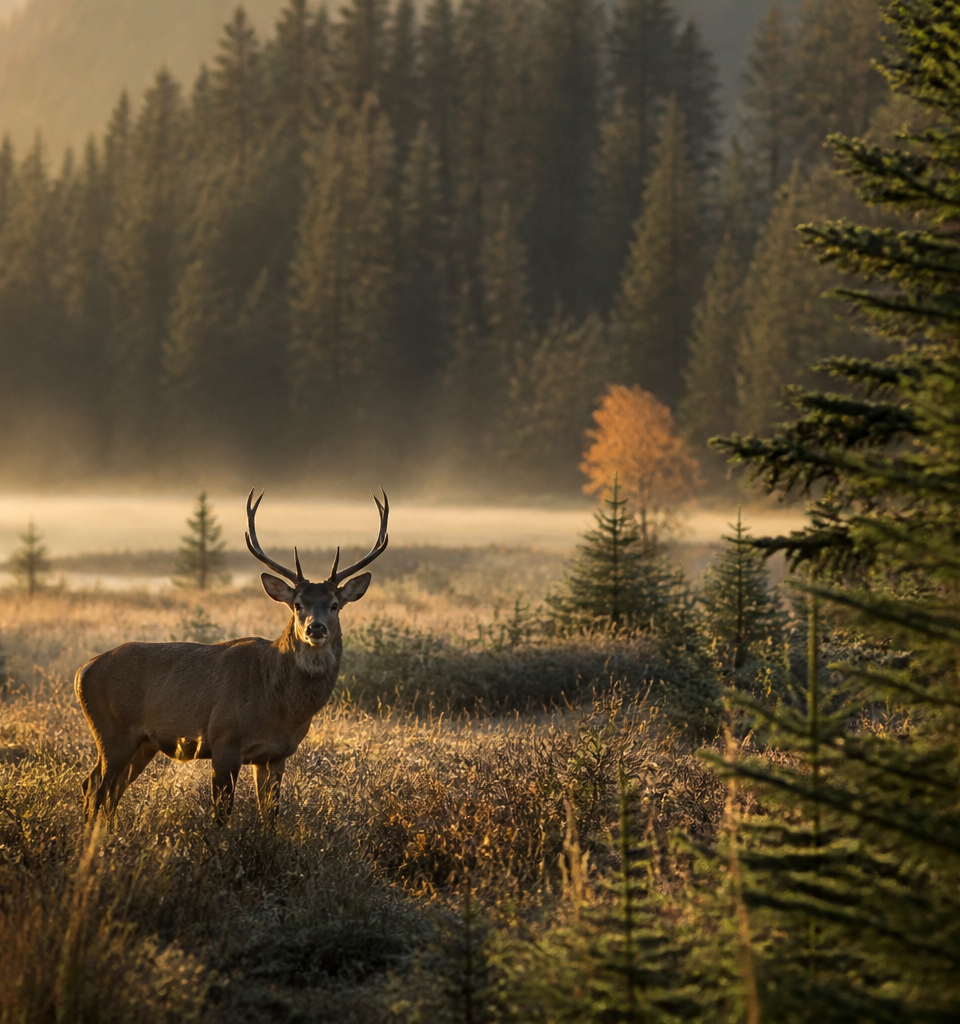
Western Canada's white-tailed deer are immediately recognizable by their heavy body mass and exceptional antler growth. Adapted to the harsh winters of the Prairies and the boreal north, these deer often weigh 20 to 30 percent more than their eastern counterparts. Their late-fall and winter coat turns a dense greyish-brown, offering remarkable thermal insulation against biting prairie winds. Their broad tail, bordered in crisp white, flares as an alert signal at the slightest sign of danger.
Anatomically, mature bucks develop thick, muscular necks and heavy skeletal frames by late October. For hunters familiar with Deer hunting in Quebec: complete guide and tips, the stature of a mature Alberta buck is striking in both shoulder height and stocky girth. Main antler beams produce tall, heavy vertical tines, often displaying a dark tint from rubbing against dense willows and alders.
Accurate field judging requires evaluating overall body conformation rather than antler score alone. A mature buck shows a level backline, a sagging belly, and a short, blocky, greying muzzle. Taking the time to properly assess age ensures an ethical harvest and preserves the quality of Alberta's deer herd.
Typical habitats and terrain for plains Deer
Deer thrive particularly well in the transition zone between Alberta's vast agricultural cropland and the boreal forest. This aspen parkland biome provides an ideal blend of rich food sources and dense security cover. Expansive fields of canola, alfalfa, and grain deliver high-protein forage, while patches of trembling aspen and spruce offer secure bedding areas.
Further south and through the central region, deep river coulees carved by the Red Deer, Battle, and North Saskatchewan rivers serve as critical wildlife corridors. These steep valleys feature berry thickets, open water sources, and rugged topography that allows deer to easily evade predators. The diverse geography creates exceptional hunting conditions similar to those found in Deer hunting in Alberta and Saskatchewan.
In the northern reaches of the province, toward the Peace River country, the landscape transitions into dense forest. Here, deer share the range with moose and wolves, exhibiting more elusive, nocturnal habits within large tracts of timber.
How do Deer behave during the rut in Alberta?
During the November rut, deer behavior shifts dramatically as hormones surge and temperatures drop. Dominant bucks that are typically nocturnal and cautious begin roaming long distances in broad daylight in search of receptive does. This peak in breeding activity often coincides with persistent early snowfalls, making fresh tracks much easier to spot.
In early November, bucks actively establish scrapes and rub tree trunks to deposit scent. By mid-November, the seeking and chasing phase reaches full throttle. Bucks travel with their heads low, scent-checking field edges and pursuing does through brushy draws and clearings, frequently letting down their usual guard.
Toward the end of the month, mature bucks enter the lockdown phase, tending an individual doe for 24 to 48 hours in heavy cover. Once breeding is complete, the buck resumes searching for another mate, offering excellent harvest opportunities right up to the close of the season.
When to hunt big fall Deer in Alberta?
The prime window to target mature bucks in Alberta falls between November 10 and November 25. During these two weeks, the rut peaks and the largest bucks become active during daylight hours. Short late-fall days push animals to feed and travel during daylight, especially when temperatures plunge below minus 15 degrees Celsius.
Weather conditions play a decisive role in hunting success. A cold front accompanied by light snowfall triggers intense movement, as deer must feed more frequently to offset energy loss. Fresh snow also makes it easy to identify active trails and assess track size.
Conversely, unseasonably mild temperatures or sustained high winds suppress deer movement. Under these conditions, deer remain bedded in sheltered coulee bottoms or thick spruce pockets, making them considerably harder to pinpoint.
Locating active Deer trails and travel corridors
Finding deer in Alberta requires pinpointing natural travel funnels between feeding areas and bedding cover. Terrain features such as coulee draws, timber points extending into crop fields, and narrow strips of woods between sloughs concentrate daily movement. Pre-hunt scouting using satellite imagery and topographic maps helps identify these structural funnels before setting foot on the ground.
In the field, sign reading offers essential confirmation. Look for fresh rubs on thick-diameter trees, a reliable indicator of a mature buck in the area. Active scrapes situated beneath low-hanging licking branches reveal regular travel hubs.
Late in the season, as snow accumulates, focus your scouting around unharvested crop edges, standing stubble, or round hay bales. These high-calorie food sources draw large groups of does, which inevitably pulls mature bucks into the open.
Proven strategies to outsmart wary Deer
Hunting from enclosed box blinds or elevated ground blinds is the most productive method in Alberta. These insulated blinds allow hunters to sit motionless for eight to ten hours without suffering from numbness caused by freezing conditions. Positioned downwind along major food sources or travel funnels, a blind conceals human scent and hides movement.
Rattling with real or synthetic antlers produces exceptional results during the first two weeks of November. A sharp clash followed by aggressive grinding mimics two bucks fighting for dominance, drawing the curiosity of territorial local bucks. Space rattling sequences at least 45 minutes apart to avoid alerting wary deer.
Combining a buck grunt tube with estrus doe bleats often stops a cruising buck within shooting range. In large southern coulees, spot-and-stalk hunting along ridge crests can also be effective, provided you move slowly into the wind and glass every fold of terrain thoroughly with quality optics.
What gear to choose for cold-weather Deer hunting?
Gear selection must prioritize protection against Western Canada's severe cold. A layering system featuring heavy merino wool base layers, a thick down or synthetic mid-layer, and a windproof, quiet brushed-fabric outer shell is essential. Extreme-cold hunting boots paired with chemical foot warmers prevent frostbite during long, sedentary sits.
For firearms, flat-shooting and versatile calibres such as .30-06 Springfield, .300 Winchester Magnum, .270 Winchester, and 7mm Remington Magnum perform reliably. Shots may range from 50 to beyond 250 metres depending on the terrain, making bright, high-quality variable-power optics mounted solidly on the rifle indispensable.
Pack premium binoculars, a dependable laser rangefinder that compensates for angle, and spare batteries kept warm in an interior pocket, as freezing temperatures quickly drain electronic devices.
Deer hunting regulations and licences in Alberta
Big game hunting in Alberta is strictly managed by provincial wildlife authorities to ensure sustainable populations. For non-resident hunters (from other Canadian provinces or abroad), hunting white-tailed deer almost always requires booking through a licensed outfitter holding official allocation tags. This system guarantees professional guidance and regulated harvest quotas.
Every hunter must obtain an Alberta Wildlife Identification Number (WiN) before purchasing specific licences. Rules governing firearm transport, hunter orange or visual clothing requirements by zone, and mandatory harvest registration must be followed carefully. The use of bait is subject to strict unit-specific regulations.
To review complete regulations, season dates by Wildlife Management Unit, and export requirements, consult the official Government of Alberta website. Regulations change annually: always verify exact dates, open management units, and legal requirements with provincial authorities before planning your trip.
Ecological role and wildlife management of Canadian Deer
White-tailed deer play a vital role in the health of Alberta's parkland and boreal transition ecosystems. As major herbivores, they shape plant regeneration by browsing shrubs, broadleaf plants, and agricultural greens. They also serve as a critical food source for apex predators, including wolves, coyotes, and cougars.
Provincial wildlife biologists conduct regular aerial surveys to monitor herd density and set annual tag allocations. In heavily farmed regions, overpopulation can lead to significant crop damage and increase the transmission of wildlife diseases such as chronic wasting disease (CWD). Balanced hunting pressure keeps herds healthy and prevents sharp winter mortality caused by food shortages.
Hunter harvest reporting and outfitter cooperation provide invaluable data for wildlife managers. This collaborative approach ensures the long-term sustainability of this iconic game species for generations to come.
Booking a guided package for Deer hunting
Booking a guided hunt is the best way to maximize your chances of taking a quality mature buck in Western Canada. By reserving with Deer hunting outfitters in Alberta, you gain access to managed private tracts, well-placed heated blinds, and the knowledge of seasoned local guides who monitor deer patterns year-round.
Before choosing an outfitter, compare the available package styles by reading our guide: Guided, semi-guided, or unguided hunting: which package to choose for your success?. A comprehensive turnkey hunt typically includes comfortable lodge or camp accommodations, hearty meals, in-field transportation, and full trophy field care.
To make your dream western hunt a reality, browse the top-rated outfitters on MyOutfitters today and secure your spot for an unforgettable adventure in Alberta's premier deer country.
Frequently asked questions
When does the peak of the deer rut occur in Alberta?
The peak of the deer rut in Alberta occurs between November 10 and November 25. During this window, mature bucks actively roam during daylight hours searching for receptive does, even in sub-zero temperatures.
Do you need a guide to hunt deer in Alberta?
Yes, non-residents of Alberta (including Canadian residents and non-resident aliens) must use the services of a licensed Alberta outfitter or guide. DIY hunting is reserved for Alberta residents holding valid resident tags.
Where are the best deer hunting areas in Alberta?
The top deer regions are found in the aspen parkland transition zone, along major river coulees (such as the Red Deer and Battle rivers), and throughout the Peace River region. These areas provide the ideal mix of agricultural food and heavy timber.
What calibre is best for deer hunting in Alberta?
Recommended calibres include .30-06 Springfield, .300 Winchester Magnum, .270 Winchester, and 7mm Remington Magnum. They offer flat trajectories, strong terminal energy, and reliable penetration on heavy-bodied northern deer.
How should you dress for cold-weather deer hunting in Alberta?
Layering is essential: start with heavy merino wool base layers, add thick insulating fleece or down mid-layers, and finish with a quiet, windproof outer shell. Extreme-cold rated boots and chemical warmers are vital for long sits in blinds.
What is the most effective deer hunting technique in Alberta?
Hunting from an enclosed ground blind or heated tower stand overlooking food sources or major travel funnels is the most productive method. It allows hunters to sit undetected for full days in freezing temperatures.
Can you use rattling and calls for deer in Alberta?
Yes, antler rattling and grunt calls work very well during the first half of November. Used sparingly near fresh rubs and scrapes, rattling lures in territorial bucks looking to challenge rivals.
How heavy does a mature Alberta deer get?
A mature Alberta buck routinely exceeds 220 to 260 pounds on the hoof. Their large skeletal frame and heavy weight are supported by rich agricultural crops and natural browse across the province.
How long is a typical guided deer hunt in Alberta?
A standard guided deer hunt lasts six full hunting days, typically running Monday through Saturday. This duration provides enough time to adapt to shifting weather conditions and pattern a mature buck.
How do you transport deer meat and antlers out of Alberta?
Transporting game requires a valid hunting licence, properly attached game tags, and applicable provincial export permits. Outfitters routinely assist non-resident hunters with trophy preparation and export documentation.