Hunting
When Does the Deer Rut Start in Canada?
Discover the Canadian white-tailed deer rut timeline, its five key phases, field signs to look for, and top strategies to hunt the peak of breeding activity.
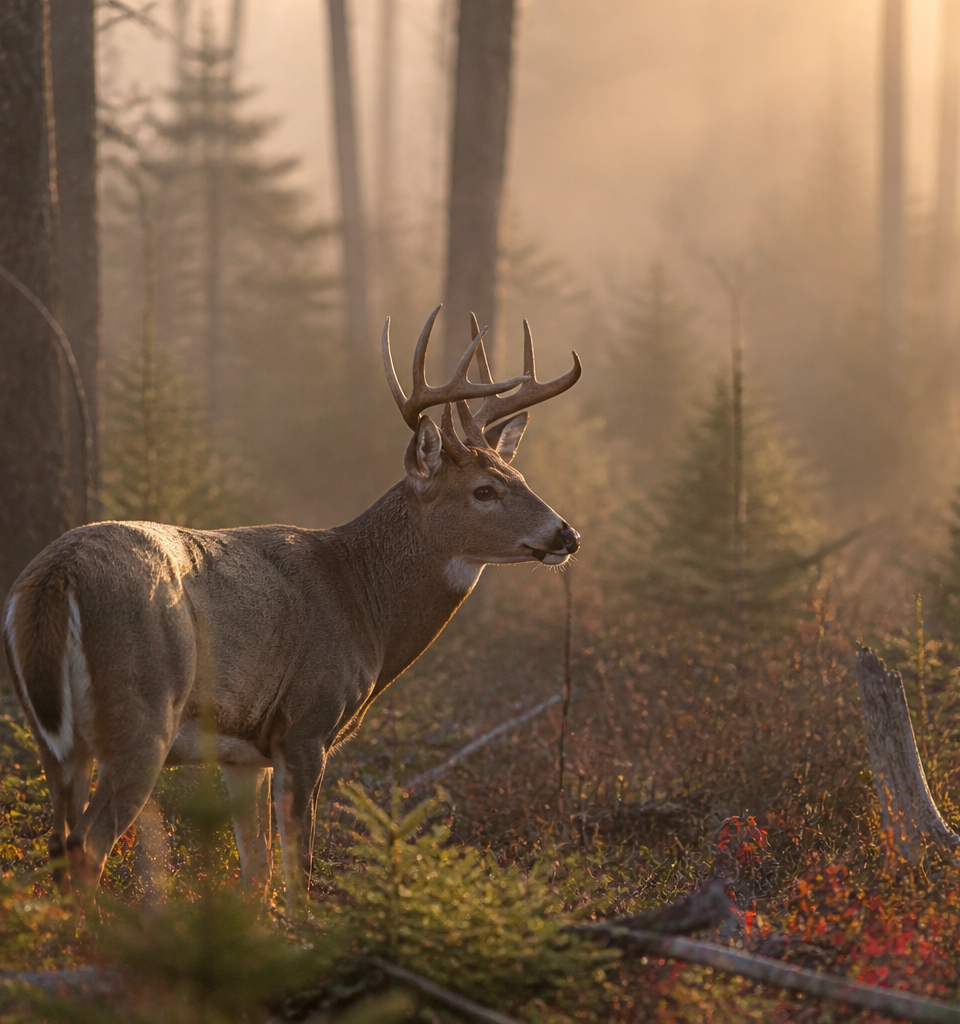
Key takeaways
- The peak of the white-tailed deer rut generally occurs between early and late November across Canadian forests.
- Photoperiod remains the primary biological trigger regulating doe estrus and mature buck breeding behaviour.
- The seeking and chasing phases provide the best opportunities to encounter active trophy bucks during daylight hours.
- Sudden temperature drops and fall cold fronts strongly stimulate daytime deer movement toward active feeding areas.
- A secondary, quieter rut takes place roughly one month later to breed does that were not bred during the primary peak.
When does the deer rut start in Canada?
The white-tailed deer rut begins ramping up in late October and reaches its full stride across Canadian territory during the first three weeks of November. While early pre-rut signs appear in early fall, this specific window brings the sharp rise in buck testosterone and doe estrus that completely transforms deer movement patterns in the woods.
The primary driver of this breeding cycle is photoperiod, the gradual decrease in daily daylight hours. This shift in light triggers an intense surge in testosterone in mature bucks, prompting them to rub trees, make scrapes, and shed their usual cautious routines. To align your hunts with open seasons, check the Hunting Season Dates in Canada: Species Calendar, as legal dates depend strictly on regional wildlife regulations.
The 5 key phases of the white-tailed deer rut
The whitetail breeding cycle breaks down into five distinct phases that every hunter should recognise to fine-tune their field approach. Each stage alters deer bedding locations, alertness levels, and daylight travel frequency.
- Pre-rut (Seeking phase): In late October, bucks cover extensive ground searching for doe groups, opening fresh ground scrapes and rubbing saplings along key travel corridors.
- Chasing phase: In early November, excitement peaks as bucks actively pursue does that are not yet fully receptive, leading to intense and unpredictable daylight movement.
- Peak breeding (Lockdown phase): Around mid-November, most does enter standing estrus. Buck-and-doe pairs often isolate themselves in thick bedding cover or sheltered ravines for 24 to 48 hours, which can make open woods seem temporarily devoid of deer.
- Post-rut: By late November, worn-down mature bucks that have lost considerable body weight shift their focus back toward high-energy food sources to survive the approaching winter.
- Secondary rut: Roughly 28 days after the primary peak—typically around mid-December—unbred does and mature doe fawns enter heat, triggering a brief but exciting renewed surge of buck activity.
What field signs indicate the rut has started?
The earliest reliable field signs of the rut are freshly opened rubs on tree trunks and active ground scrapes beneath overhanging licking branches. These visual and scent markers act as signposts across deer range, allowing bucks to advertise their presence and establish dominance.
When scouting your hunting ground, focus on rub lines along ridge tops, swamp edges, and transition zones between heavy cover and food. A freshly worked, damp scrape smelling strongly of buck musk shows that a mature buck is actively working the area, usually around dawn and dusk. As peak breeding approaches, crisscrossed tracks and bucks cruising neck-out in broad daylight signal that peak rutting activity is in full swing.
How weather and moon phases affect deer rut activity
While photoperiod governs the underlying biology, local weather conditions and moon phases dictate how much breeding movement occurs during daylight. A passing cold front with moderate winds and a sharp drop in barometric pressure almost immediately triggers an explosive increase in buck travel.
Conversely, unseasonably warm weather often pushes rutting activity into nighttime hours as deer try to avoid overheating. Moon phases also shape peak movement windows: during full moon periods, deer often feed and breed heavily in the middle of the night, which frequently leads to an uptick in daylight movement around midday. Hunting pressure acts as another major factor, quickly pushing pressured older bucks into thick security cover during legal shooting hours.
Regional differences across eastern and western hunting zones
Rutting behaviour displays distinct regional differences depending on whether you are hunting dense eastern mixed woodlands or vast western open country. In heavy eastern timber and Great Lakes transition zones, thick canopy cover forces deer to rely heavily on scent trails, terrain funnels, and ridge systems, making stand placement tighter and highly localized.
Across broad western plains, river bottoms, and agricultural country, expansive sightlines allow bucks to glass doe groups from hundreds of metres away. Deer movement here covers vast expanses, and bucks can roam miles in a single day. Farther north, along the fringes of the boreal forest, harsh early winter conditions compress the rutting window, forcing animals to conserve critical energy stores before heavy snows settle in.
How to adjust your deer hunting strategy during the rut
To maximize your odds, your hunting tactics must evolve through each stage of the rut. During the early seeking phase, set up near active scrape lines and natural pinch points connecting secure doe bedding areas to primary food sources.
During the chasing phase and peak rut, calling techniques such as rattling antlers and aggressive buck grunts become highly effective at pulling in cruising bucks looking to challenge a rival. If you are organizing a dedicated trip, deciding between a guided, semi-guided, or self-guided hunt will help you choose the right level of field support for peak-rut hunting. Once you tag your buck, knowing the best practices for harvest care and meat transport is essential to protect top-quality venison on your journey home.
Planning an outfitter deer hunting trip during the rut
Booking a deer hunting outfitter for the November rut requires planning several months to a year in advance due to exceptionally high demand for prime dates. The best rut weeks are frequently rebooked year after year by returning hunters who know the quality of well-managed hunting leases.
Before confirming your dates, review these 10 questions to ask an outfitter before booking your hunt to evaluate hunting pressure, tree stand safety, and proven game movement corridors on their property. Keep in mind that hunting regulations, license allocations, and bag limits vary by jurisdiction, so always confirm local rules with regional wildlife authorities before your trip.
To plan an unforgettable hunt in prime whitetail country, explore available options to find an outfitter in Canada on MyOutfitters and secure your prime rut dates today.
Frequently asked questions
When does the deer rut start on the Atlantic coast?
Along the eastern Atlantic coast, the white-tailed deer rut typically begins in late October with the appearance of the first rubs and scrapes. Buck movement intensifies quickly through the first week of November and reaches its peak between November 10 and 20, when the majority of does enter estrus.
What is the best week to hunt deer in Canada?
The second week of November is historically the most productive timeframe to encounter mature bucks on their feet during daylight. This window coincides with the chasing phase, when bucks are constantly moving through transition funnels in search of the first receptive does.
How can you tell if the rut has started in your area?
A sudden burst of fresh, damp ground scrapes and tree rubs is the clearest sign that the pre-rut is underway. You will also notice trail cameras capturing mature bucks on their feet during broad daylight as they expand their home ranges.
Why do deer move less during the peak of the rut?
During the peak breeding phase (lockdown), mature bucks pair up with does in standing estrus and stay tucked into heavy cover for 24 to 48 hours. This stationary breeding behaviour drastically reduces open travel, creating a temporary lull in visible deer activity.
Does cold weather trigger the deer rut?
No, cold weather does not trigger the rut; the timing is driven by photoperiod (decreasing daylight hours). However, sharp cold fronts and freezing temperatures strongly stimulate daytime movement, making breeding activity far more visible to hunters.
What is the second deer rut in December?
The secondary rut occurs roughly 28 days after the main November peak and involves unbred does entering a second estrus cycle, as well as fast-growing doe fawns reaching breeding weight. This triggers a brief but productive window of buck activity in mid-December.
Does deer calling work during all phases of the rut?
Calling works best during the seeking and chasing phases, when bucks are actively patrolling for does and eager to challenge rival bucks. During the lockdown peak, a buck actively tending an estrus doe is far less likely to leave her to investigate grunts or rattling.
Do deer rut dates change from year to year in Canada?
Biological rut dates remain remarkably consistent year after year because they are governed by the sun's fixed annual cycle. Fluctuations in weather, moon phases, and hunting pressure affect how much of that rutting activity happens during daylight rather than at night.