Hunting
River, Marsh, or Boreal Lake: Choosing Your Duck Hunting Experience
Explore which duck hunting environment suits your style, from the vast St. Lawrence River to remote boreal lakes, for a diverse and memorable harvest.
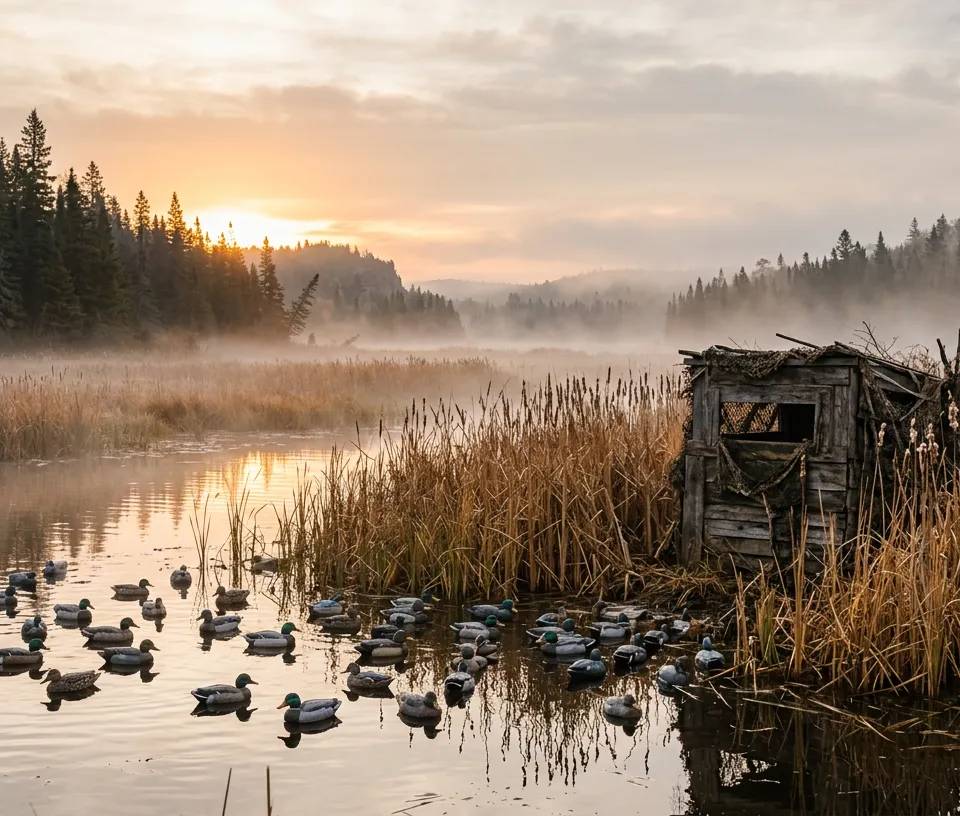
Canadian duck hunting offers a spectrum of experiences, from the rhythmic tides of major waterways to the mirror-still surfaces of remote boreal lakes. Each environment dictates your strategy, the species you will encounter, and the gear required for a successful outing. Whether you are a fan of fast-paced diving duck action or the subtle art of decoying puddle ducks in a marsh, selecting the right setting is the first step toward a legendary trip.
The Vast Frontier of Major Rivers
Hunting big water, such as the St. Lawrence River, is a thrill-seeker’s game. This environment is the stronghold of diving ducks like scaup and sea ducks. Hunters must contend with currents, winds, and sometimes tides, requiring heavy-duty boats and large spreads of decoys. Success here depends on spotting birds moving along established flight corridors. It is a physically demanding setting, but it rewards hunters with high-speed passes and the chance to harvest unique species that rarely visit smaller inland waters.
The Classic Marsh Experience
For many, the marsh is the quintessential setting for Canard colvert (Mallard) and Sarcelle à ailes vertes (Green-winged Teal). These shallow wetlands offer protected feeding grounds where concealment is paramount. Hunting from well-placed blinds or standing in the reeds, you will focus on the art of calling and decoy placement. The marsh provides an intimate connection with nature, where you can watch birds commit to the spread in the early morning fog. It is often the best choice for those who enjoy technical calling and close-range shooting.
Remote Boreal Lakes
Heading into the northern forests brings you to the wild lakes where the pressure is low and the scenery is untouched. These lakes host a variety of species, including the Canard d'Amérique (American Wigeon). The experience is defined by tranquility and self-reliance. Often accessed by floatplane or rugged trails, these spots offer a sense of adventure that larger accessible waterways cannot match. Birds here are often less wary, making it an excellent environment for hunters who value peace and high-quality encounters over sheer volume.
Booking Your Outfitter Adventure
Choosing an outfitter is the most reliable way to access prime hunting grounds and expert local knowledge. When selecting a lodge, consider their specialized equipment, such as layout boats for big water or permanent marsh blinds. Most professional outfitters provide the decoys and the scouting necessary to keep you on the birds. Check Duck hunting outfitters to find experienced guides who can tailor the experience to your skill level, ensuring a safe and productive Canadian waterfowl hunt.
Frequently asked questions
When is the best time for duck hunting?
The season typically runs from September to December. Early season is great for local marsh ducks, while late October and November are prime for major migrations on the river.
Should I bring my own dog to an outfitter?
Many outfitters welcome well-trained hunting dogs, but some provide their own retrievers. It is essential to confirm this with the establishment when booking your trip.
What type of shotgun is recommended?
A 12-gauge shotgun is the standard for waterfowl, using non-toxic shot (steel or bismuth). A 3 or 3.5-inch chamber allows for heavier loads required for long-distance shooting.
Do I need a special permit for waterfowl?
Yes, in addition to your provincial hunting license, you must hold a federal Migratory Game Bird Hunting Permit and the conservation stamp. Both are required across Canada.
What is the difference between a puddle duck and a diver?
Puddle ducks (like Mallards) feed by tipping up in shallow water and take off vertically. Divers (like Scaup) submerge completely to feed and require a running start on the water to fly.