Hunting
White-tailed deer hunting: reading your territory at an outfitter
Corridors, feeding areas, rubs and wind: how to analyse a deer territory at an outfitter and place your stand in the right spot.
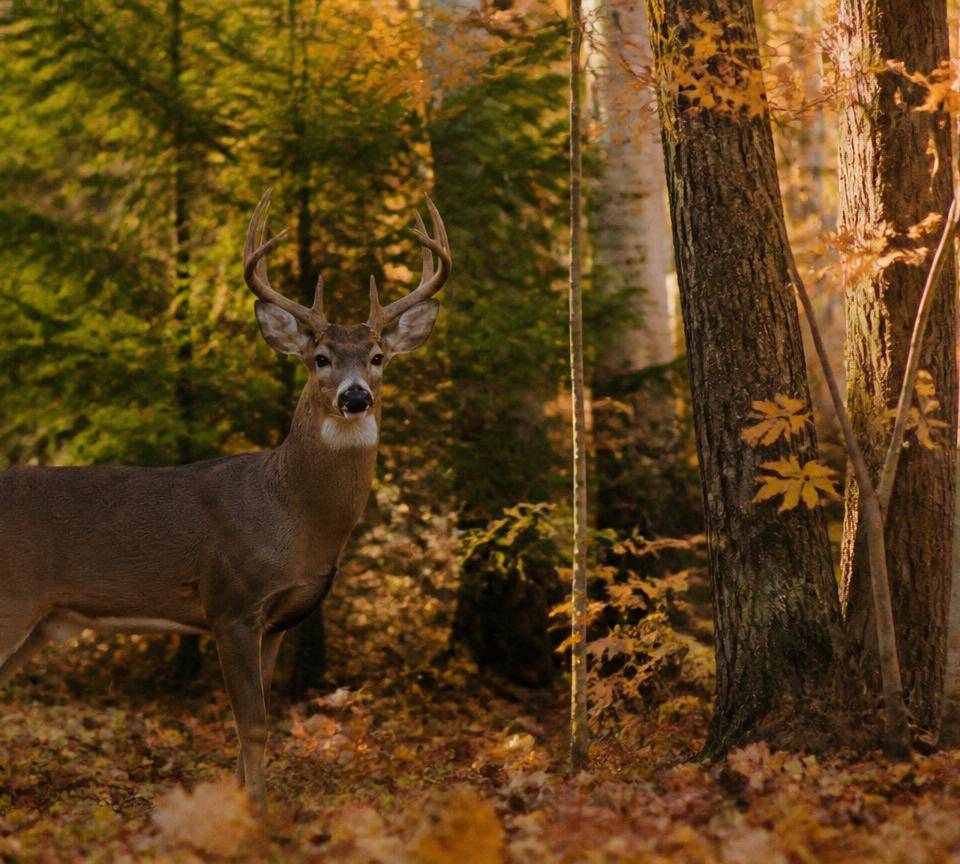
White-tailed deer are the most hunted big game in North America, and the species where reading the land matters most. At an outfitter you inherit a sector that is already known and often already developed. Your job is to understand why the stands are where they are, and to play the wind correctly.
The four elements of a deer territory
1. Food. Apple trees, buckwheat or corn plots, recent cuts, old-field edges. Outfitters often maintain wildlife food plots. 2. Cover. Cedar stands, young conifers, ravines: this is where deer spend the day. 3. Corridors. Deer use the same routes between cover and food: wooded strips, ravine bottoms, fence lines. 4. Water. Less limiting in Quebec or Ontario than elsewhere, but a creek always shapes movement.
The best stand sits at the junction of these elements, never in the middle of the feeding area: you take the deer on its way, not in its living room.
Signs to look for
- Well-worn trails with fresh tracks and droppings.
- Scrapes on the ground, a sign of a pre-rut buck.
- Rubs on saplings, whose diameter hints at body size.
- Beds in thick cover.
- Large splayed tracks, often from a mature buck.
A trail camera, legal in several provinces, adds valuable information on movement times.
The calendar
Pre-rut (late October). Bucks open scrapes and move more. An excellent time to sit near corridors.
Rut (early to mid-November). The window not to miss. Bucks follow does at any hour of the day. Grunt calls and rattling become effective.
Post-rut (late November). Deer start feeding again. Back to food sources, with longer and colder sits.
Wind first
Always set up so your scent blows away from the direction deer are expected to come from. Walk to the stand on a route that does not cross game trails. Use clean boots and unscented laundered clothing, and never smoke on stand. A single wind mistake can empty a sector for days.
Gear
An accurate mid-range rifle (.243 to .30-06), a crossbow or bow depending on the zone, clear binoculars, a rangefinder, a safety harness, warm quiet clothing, blaze orange where required, and whatever it takes to sit still for three hours: cushion, hand warmers, thermos.
Shot ethics
Only shoot what you clearly see, at a distance you control, on a stationary broadside animal. Note the point of impact, wait 20 to 30 minutes before tracking unless the animal is visibly down, and ask your guide for help trailing. Patient searching recovers the vast majority of hit animals.
What the outfitter brings
Installed and maintained stands, knowledge of movement patterns year after year, food plots, a cold room, butchering service and very often a guide who places you according to the morning wind. Ask about hunters per sector, the policy on does, and success rates over recent seasons.
To choose a territory, browse deer hunting outfitters or all hunting outfitters in Quebec.
Frequently asked questions
Where should a deer stand be placed?
At the junction of cover, a travel corridor and a food source, never in the middle of the feeding area, and always with the wind blowing away from where deer are expected.
When is the best time to hunt deer?
The rut, early to mid-November, when bucks move at all hours. The late-October pre-rut is also very productive on stand.
What is a scrape and what does it tell you?
A patch of ground pawed by a pre-rut buck, often under a chewed branch. It shows that a buck uses the area regularly.
How long should you wait before tracking a hit deer?
Twenty to thirty minutes, unless the animal is visibly down. Note the point of impact and ask your guide to help track.
Are trail cameras allowed?
Rules vary by province and sometimes by zone. Check current regulations and the outfitter's policy before installing one.