Hunting
Duck Hunting in Quebec: Complete Guide and Expert Tips
Discover the best techniques, habitats, and strategies for successful duck hunting in Quebec, from St. Lawrence marshes to boreal lakes.
Key takeaways
- The fall season generally runs from September to December, depending on hunting districts and targeted species across Quebec.
- St. Lawrence coastal marshes, grassy bays, and forest beaver ponds are prime habitats for migratory waterfowl.
- Using well-camouflaged blinds and decoy spreads positioned into the wind delivers the highest success rates at dawn.
- Both a federal Migratory Game Bird Hunting Permit and a provincial Quebec small game licence are mandatory.
- Use high-velocity non-toxic shot, matching your shot size to your expected shooting distances.
Identifying Main Duck Species in Quebec
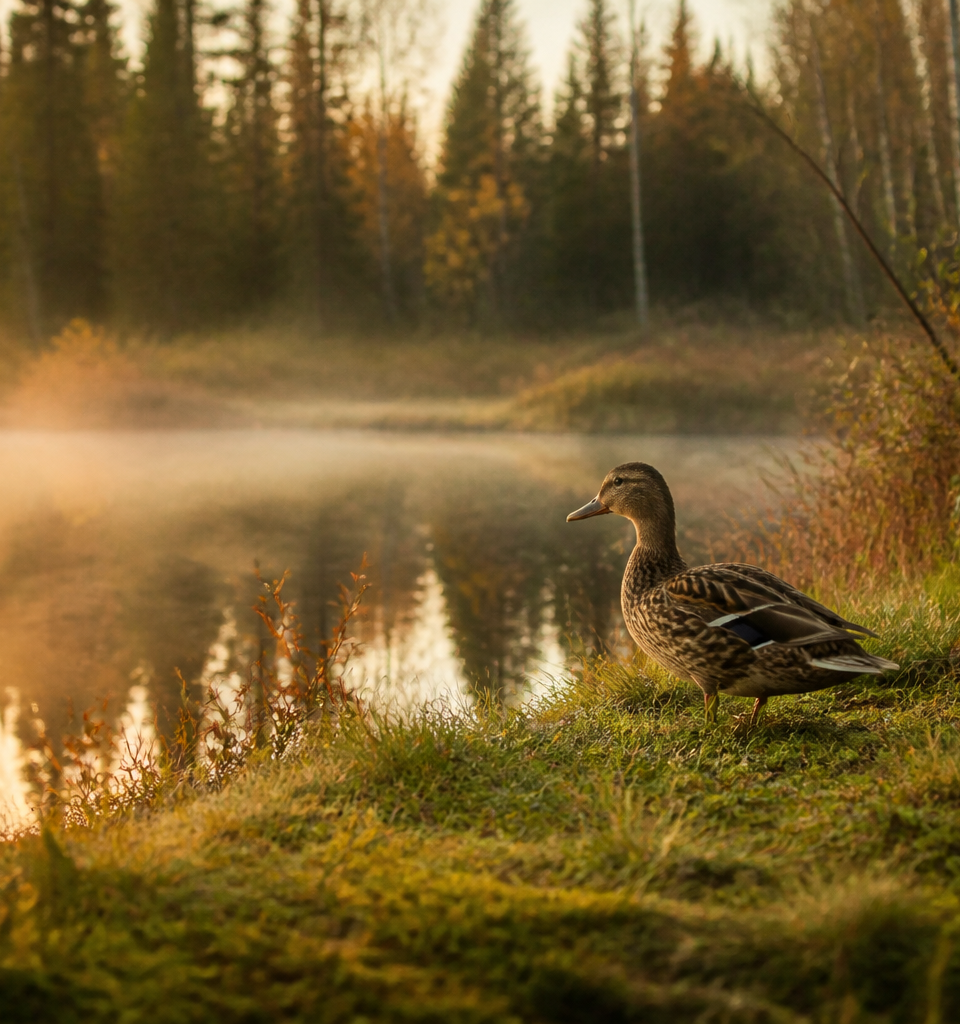
Quebec hosts a wide variety of duck species, broadly divided into dabblers and divers. Dabbling ducks feed on the surface in shallow water and can launch vertically directly into flight. The mallard remains the most iconic, recognizable by the drake's glossy green head and blue speculum bordered in white. Alongside it, the wary American black duck features very dark brown plumage with striking silvery-white underwings visible in flight. Blue-winged and green-winged teal, small and fast on the wing, round out this group along with the sleek northern pintail.
Diving ducks prefer larger bodies of water and submerge completely to feed. They need a running start across the water's surface to take flight. Ring-necked ducks, canvasbacks, common goldeneyes, and common mergansers travel through major lakes and the St. Lawrence River throughout migration. Identifying these flight silhouettes accurately helps hunters stay strictly within species-specific daily bag limits and make clean, ethical shots.
What Duck Habitats Should You Target in Quebec?
Migratory ducks occupy a dynamic mosaic of wetlands that shifts as fall progresses. The St. Lawrence River corridor—especially Lake Saint-Pierre, the Sorel Islands, and the marine estuary—offers extensive mudflats and submerged aquatic vegetation. These areas provide abundant food, including wild rice seeds, aquatic invertebrates, and small fish, critical for building energy reserves before the flight south.
In the boreal forest and throughout regions such as Abitibi, Mauricie, and Saguenay, beaver ponds create ideal cover for teal and wood ducks. These quiet, wooded pockets shelter birds that favor deadfall cover and vegetated shorelines. Consulting the Canada Hunting Calendar: Key Seasons and Dates allows hunters to plan outings between southern agricultural marshes and remote northern waterways.
Migratory Behaviour and Fall Feeding Patterns of Duck
Duck behaviour changes substantially through the season as water temperatures drop and daylight wanes. With the first September frosts, local ducks gather into larger flocks on morning feeding grounds. Northern migrants arriving from Canada's far north continually replenish these numbers, often displaying less wariness than resident birds that have faced weeks of hunting pressure.
Feeding routines dictate daily movements between secure open-water roosts and feeding zones. Dabblers actively seek out harvested grain fields, mudflats, and bur-reed beds at dawn and dusk. Understanding this daily rhythm makes it possible to intercept flocks along established flight paths, particularly when strong headwinds force birds to fly low to conserve energy.
When to Hunt Duck in Quebec Based on the Weather?
Overcast, windy, and cool days create optimal conditions for duck hunting. Wind breaks the water's surface, conceals movement inside the blind, and forces ducks to fly lower. Sustained breezes also push birds to seek shelter in protected bays, offering strategic setup opportunities.
Cold fronts accompanied by drizzle or wet snow frequently trigger major migratory pushes from the north. Conversely, calm, bluebird days make ducks cautious, as sharp eyesight easily detects glare or an uncamouflaged boat. Early morning and late afternoon offer peak activity, though divers often continue moving across open water during windy midday hours.
Finding the Best Waters for Duck Hunting
Scouting in the field remains essential for pinpointing active waterfowl concentrations. Glassing quiet bays with binoculars a few days before a hunt helps identify productive weed beds and approach lanes used by flighting flocks. Intertidal mudflats exposed at low tide in Bas-Saint-Laurent and Gaspésie are also magnets for waterfowl feeding on invertebrates and seeds.
Satellite imagery is a valuable tool for finding hidden inland ponds that see little pressure. Experienced outfitters monitor bird movements across their territories daily to adjust blind locations. While some hunters also explore Duck Hunting in Ontario: Which Destination to Choose?, Quebec's varied waterways offer an exceptionally diverse wild experience.
Decoy Spreads and Calling Strategies for Duck Hunting
Decoy spreads should always feature an open landing pocket facing directly into the wind, as ducks land into the breeze to control their descent. Arranging two to three dozen decoys in a "J" hook or horseshoe pattern grabs the attention of passing flocks and guides them into effective shooting range.
Calling complements the visual spread with soft, measured greeting calls. Subtle calling is often more effective at coaxing cautious late-season birds than loud, aggressive sequences. Blind concealment—whether set up on shore or in a layout boat—must blend seamlessly with local reeds, cattails, and shoreline brush.
Choosing Firearms and Gear for Duck Hunting
A 12-gauge shotgun chambered for 3-inch or 3½-inch shells is the standard choice for waterfowl hunting. Non-toxic shot—such as steel, bismuth, or tungsten—is legally required in all wetland environments. For shooting over decoys at moderate ranges, #2 or #3 steel shot paired with an improved cylinder or modified choke produces uniform, lethal patterns.
Personal gear must deliver reliable warmth and waterproofing against raw autumn weather. Neoprene or breathable layered waders, fleece mid-layers, and waterproof marsh-camo jackets prevent hypothermia during long waits. A trained retriever fitted with a neoprene flotation vest is an invaluable partner for recovering downed birds in thick cover and cold currents.
Regulations and Licences for Duck Hunting in Quebec
Waterfowl hunting in Quebec requires both a federal Migratory Game Bird Hunting Permit with a Canadian Wildlife Habitat Conservation Stamp and a provincial Quebec small game licence. Hunters must also carry a valid hunter certification card proving completion of required firearm safety and hunting courses. Daily bag and possession limits vary by species and hunting district.
Ethical hunting requires positive species identification before taking a shot to prevent harvesting protected or restricted waterfowl. Always maintain safe distances from dwellings and other water users. For full regional regulations, consult the Government of Quebec (hunting and fishing). Regulations change annually: always verify exact dates, bag limits, and zones with official authorities before heading out.
Conservation and Sustainable Duck Population Management
Duck population management relies on close cross-border scientific collaboration between Canada and the United States through the North American Waterfowl Management Plan. Revenue from conservation stamps directly funds the protection and restoration of critical nesting wetland habitats, supporting broad aquatic biodiversity.
Hunters serve as important environmental stewards by reporting recovered bird bands, providing biologists with critical data on migration routes and survival rates. Many hunters also pair their waterfowl trips with the Complete Guide to Partridge Hunting in Quebec, enjoying upland opportunities while respecting wildlife regulations.
Booking a Guided Duck Hunting Adventure
Booking with an experienced outfitter provides access to prime hunting grounds and professional equipment without complex logistics. Professional guides maintain comfortable blinds, extensive decoy spreads, and deep knowledge of bird movements based on local tides and weather. It is an ideal way to learn the ropes safely or experience exceptional shooting during peak fall migration.
To plan your next trip on Quebec's top waterways, browse exclusive options for Duck Hunting Outfitters in Quebec and let MyOutfitters connect you with the right destination.
Frequently asked questions
When does duck hunting season open in Quebec?
The duck hunting season in Quebec generally opens in early September across most districts and runs through December. Exact opening and closing dates vary by northern and southern zones and by target species.
Where are the best areas for duck hunting in Quebec?
Lake Saint-Pierre, the Sorel Islands, and the St. Lawrence River estuary are among the most productive areas in Quebec. Inland wetlands in Outaouais, Centre-du-Québec, and Abitibi also hold strong populations of dabbling ducks.
What is the daily duck bag limit in Quebec?
The standard daily bag limit is typically six ducks per hunter, though specific daily caps apply to certain species like American black ducks and mergansers. Always consult annual federal regulations for precise limits.
Is non-toxic shot mandatory for duck hunting in Quebec?
Yes, non-toxic shot such as steel, bismuth, or tungsten is strictly required for hunting waterfowl across Canada. Lead shot is prohibited to protect waterfowl and aquatic ecosystems from lead poisoning.
What shotgun gauge is best for duck hunting?
A 12-gauge shotgun chambered for 3-inch shells is the most versatile and widely used choice for duck hunting in Quebec, providing ample pattern density and energy with #2 or #3 non-toxic shot.
What licences are required to hunt ducks in Quebec?
Hunters require a federal Migratory Game Bird Hunting Permit with a Conservation Stamp, a provincial Quebec small game licence, and a valid hunter education/firearms certification card.
How should duck decoys be set up?
Set decoys in a horseshoe, "J", or "V" shape, leaving an open landing zone directly upwind of your blind. Ducks land into the wind, naturally directing them toward the open pocket in front of your setup.
Can you hunt ducks from a boat in Quebec?
Yes, hunting from a boat is permitted provided the motor is completely turned off and all forward motion has stopped before shooting. The boat should be thoroughly camouflaged with natural vegetation or blind material.
What weather conditions are best for duck hunting?
Windy, overcast, and cool days provide the best conditions, forcing ducks to fly lower and search for sheltered waters. Incoming cold fronts often trigger active movements of migrating birds.
Why should you book a duck hunt with an outfitter?
Guided outfitter hunts provide access to scouted private or exclusive territories, proven blind placements, and large decoy spreads. Guides understand local flight patterns, ensuring a safe, well-organized hunting experience.