Hunting
Bird hunting: grouse, woodcock and waterfowl at an outfitter
The most accessible fall hunt: grouse on logging roads, woodcock with a dog, ducks and geese from a blind. Gear, timing and ethics.
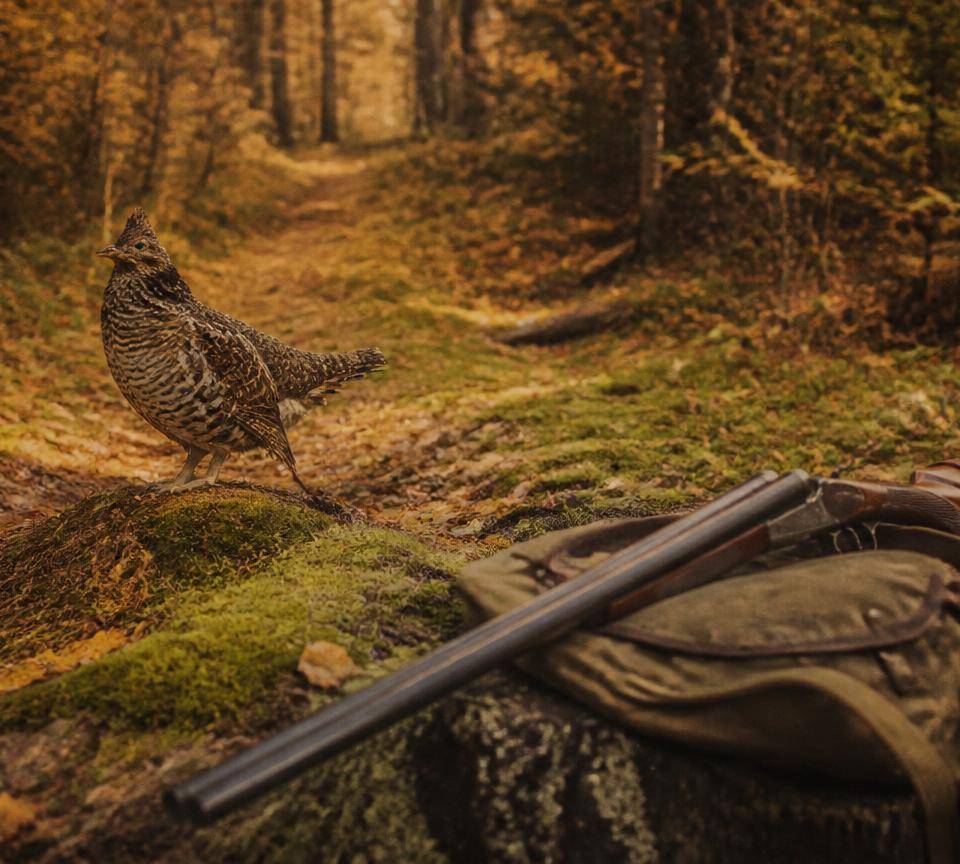
Bird hunting is the ideal gateway to big game: long seasons, generous limits, accessible terrain and a day that stays pleasant even when the hunting is slow. At an outfitter you add maintained logging roads, developed marshes and sometimes a dog.
Ruffed grouse
The most hunted bird in Canada. You find them in young aspen and birch stands, along logging road edges, often near gravel or raspberry patches.
Technique. Walk slowly along roads and edges with frequent 20 to 30 second pauses: it is usually the pause that flushes the bird. The best hours are early morning and the last hour of light, when birds gravel.
Gear. A 12 or 20 gauge shotgun, short barrel, open choke, no. 6 or 7½ shells. A vest with a game pocket, eye protection and orange clothing.
American woodcock
Woodcock require damp alder runs and, ideally, a pointing dog. October migration flights concentrate birds: three good days can follow one night of north wind. Light shells, no. 7½ or 8, and a very open choke.
Waterfowl
Ducks. Marshes, shallow bays, flooded fields. A camouflaged blind, decoys set in a U or J facing the wind, moderate calling. Windy, rainy days are the best.
Geese. Harvested grain fields, large decoy spreads, complete concealment on the ground. Group discipline matters most: nobody moves, nobody looks up.
Waterfowl require non-toxic shot (steel, hevi-shot) and a federal migratory game bird permit in addition to the provincial licence.
Dogs, safety and ethics
A good dog doubles the enjoyment and, more importantly, the recovery rate of downed birds. If you hunt without a dog, search the fall area systematically before moving on.
Three safety rules apply to all bird hunting:
- never shoot at a low bird in a partner's direction;
- keep the action open or the gun unloaded while walking as a group;
- wear visible orange, even where it is not required.
The outfitter stay
Many outfitters combine bird hunting with fall fishing or a family stay: the cabin in the morning, the logging road in the afternoon. It is often the most affordable package of the season, with cabins available last-minute in September and October.
Ask whether the territory's logging roads are maintained, whether marshes are developed with blinds, whether dogs are allowed and whether game cleaning is available on site.
Cooking your birds
Grouse works in everything: pan-fried, in sauce, in a pie. Woodcock is best cooked rare. Duck calls for either removing the skin or crisping it well, depending on the species. Cool birds quickly, draw them the same day and keep them dry.
To choose a territory, browse bird hunting outfitters or all hunting outfitters in Quebec.
Frequently asked questions
What shotgun and shells for grouse?
A 12 or 20 gauge with a short barrel and open choke, using no. 6 or 7½ shells. Handling matters more than power in thick cover.
Do I need a special permit for waterfowl?
Yes: a federal migratory game bird permit is required in addition to the provincial licence, and non-toxic shot is mandatory.
Is a dog necessary for woodcock?
Not mandatory, but a pointing dog greatly improves flushes and the recovery of birds downed in thick alders.
What are the best hours for grouse?
Early morning and the last hour of daylight, when birds gravel along logging road edges.
Is bird hunting a good way to start?
Yes: long seasons, generous limits, accessible terrain and often more affordable packages, available even on short notice in September and October.