Hunting
Planning your hunting season: licences, zones and draws
A month-by-month preparation calendar: licences, zones, draws, booking your package, sighting in and trip logistics.
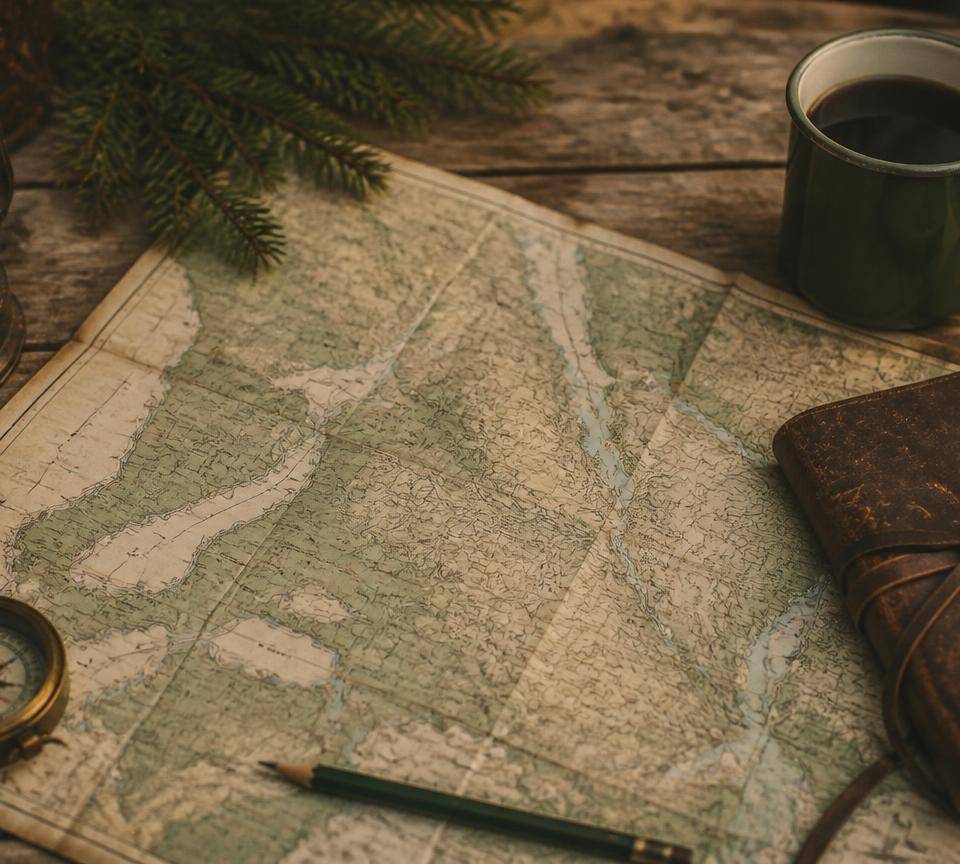
A good hunting season is decided in the spring, not in October. The best packages sell out early, draws have fixed deadlines, and a poorly sighted rifle cannot be fixed the night before departure. Here is a simple calendar so nothing gets missed.
January to March: decide
- Choose the species and the province. Moose, deer, bear, birds: each has its own calendar and requirements.
- Check whether a draw applies. Several provinces limit certain zones or permits (antlerless tags, high-demand zones) with strict application deadlines, often in spring.
- Assemble the group. Per-person package pricing almost always depends on occupancy.
March to May: book
This is when moose rut weeks (8 to 14 months ahead) and the best deer stands get reserved. Before paying a deposit, ask:
1. how many hunters per sector; 2. success rates over the last three seasons; 3. what is included: guide, ATV, cold room, butchering, meals; 4. the cancellation and rebooking policy; 5. the condition of the access road and whether there is cell service.
June to August: prepare
- Licences. Buy the provincial licence as soon as it is available; add the federal permit for migratory birds. Some provinces require a safety course or hunter certificate: allow several weeks.
- Weapon. Range work: zero the rifle at 100 m, tune sights for bow or crossbow. Shoot at least thirty rounds, from real hunting positions.
- Fitness. A moose hunt in broken terrain means walking, dragging loads and standing for hours. Two months of walking with a loaded pack changes everything.
- Gear. Check boots, rain gear, safety harness, GPS, knives, game bags, first aid kit.
September: validate the details
Reread the zone regulations: exact dates, legal implements, limits, registration requirements, blaze orange rules. Rules change from year to year, and from zone to zone within the same province.
Confirm with the outfitter your arrival time, the packing list, cold room availability and the recovery plan if you are successful.
During the stay
Listen to your guide: they know the morning wind, the corridors and the mistakes previous groups made. Write everything in a notebook — movement times, temperatures, wind direction, sightings. That notebook is what makes next season better.
After the hunt
Cool the meat quickly, keep it clean and dry, complete mandatory registration, and take the time to thank the crew. Leave a review of the outfitter: it helps other hunters choose, and it pushes the best territories to stay that way.
The shortcut
If you are short on time, target bird hunting or spring bear: both book on shorter notice, require less logistics and deliver excellent success rates at an outfitter.
To get started, compare hunting outfitters in Quebec, big game or hunting outfitters in Ontario.
Frequently asked questions
When should a hunting package be booked?
Eight to fourteen months ahead for moose rut weeks and the best deer sectors. Bird hunting and spring bear can be booked on shorter notice.
How do permit draws work?
Several provinces limit certain permits or zones and set application deadlines, often in spring. You must apply before the deadline, separately from your outfitter booking.
What should I ask before paying a deposit?
Hunters per sector, recent success rates, inclusions (guide, ATV, cold room, butchering), the cancellation policy and the condition of the access road.
When should I sight in my weapon?
The summer before the season: zero the rifle at 100 metres, tune bow or crossbow sights, and shoot at least thirty rounds from realistic hunting positions.
Is a safety course mandatory?
Several provinces require a hunter certificate or safety course to obtain a licence. Allow several weeks before the season.