Fishing
Northern Pike Fishing in British Columbia: Expert Guide
Discover how to target Northern pike in the wild waters of northern British Columbia: prime habitats, proven tactics, seasonal patterns, and outfitter advice.
Key takeaways
- Peak feeding windows run from late May through September across the province's northern river basins.
- Shallow bays, dense weed beds, and quiet deltas hold the largest actively hunting fish.
- Casting heavy spoons and twitching crankbaits realistically mimics the apex predator's favourite prey.
- All recreational anglers must hold a valid freshwater fishing licence issued by British Columbia provincial authorities.
- Always use a steel or heavy fluorocarbon leader to withstand razor-sharp teeth.
Identifying Northern pike and their key features
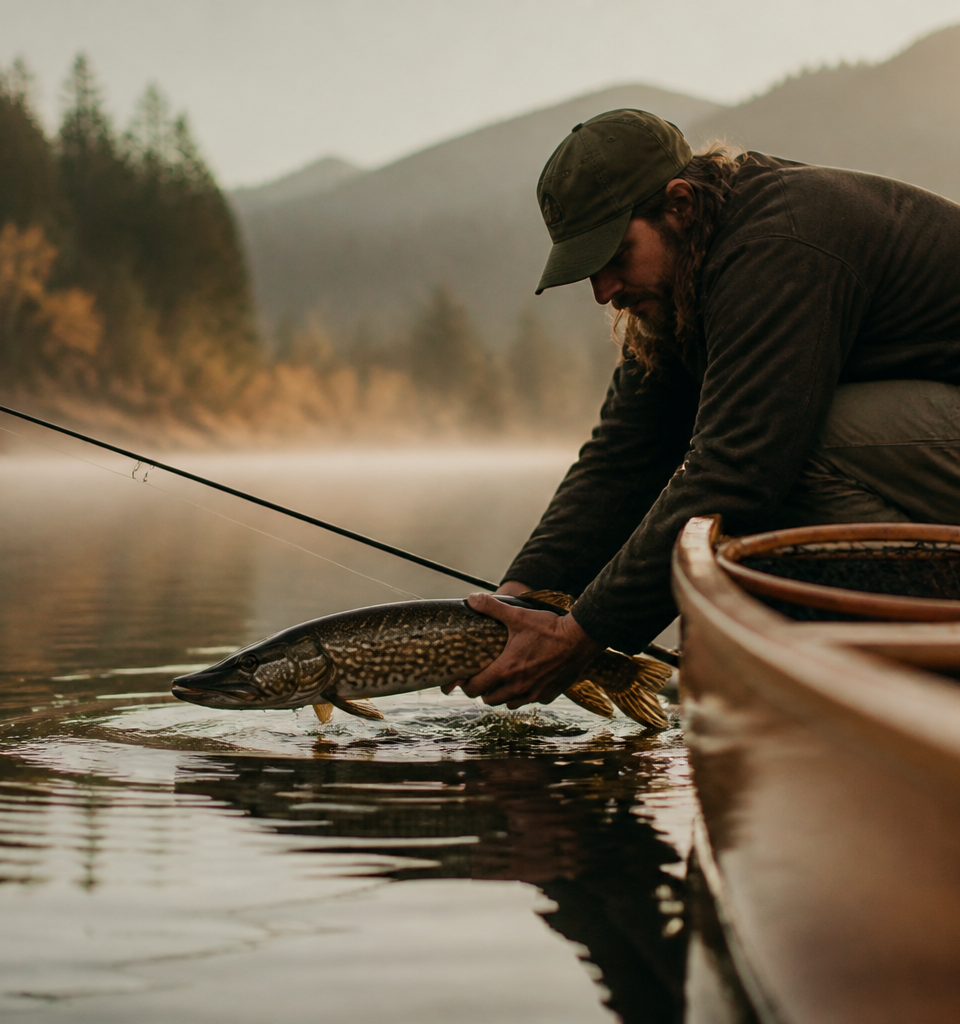
Northern pike are easily identified by their elongated, torpedo-shaped bodies, olive-green flank patterns marked with yellowish-white bean-shaped spots, and broad duckbill snouts lined with hundreds of needle-sharp teeth. As classic ambush predators, their dorsal and anal fins are set far back near the tail, an anatomical advantage providing explosive bursts of speed when striking passing prey.
Across British Columbia waters, pike frequently reach trophy proportions thanks to productive ecosystems and significantly lighter angling pressure than in eastern Canada. They are distinct from other native species: pike display light spots across a dark background, unlike muskellunge, which are not found in the province's northern waters.
Where do Northern pike live in British Columbia?
Northern pike are primarily native to northeastern British Columbia, thriving within the Arctic-draining Peace and Liard river watersheds. In these remote taiga landscapes, low-elevation lakes, slow-moving river oxbows, and weed-choked marshes provide prime habitat where pike reign at the top of the aquatic food web.
Populations also occur in select southern waters where the species was historically introduced, though northern wilderness outfitters remain the premier destination for trophy-class fish. If you plan to explore more of Western Canada, check out trophy Northern pike fishing in Alberta: secrets and destinations to compare neighbouring fisheries.
Seasonal behaviour and activity of Northern pike
Northern pike activity shifts with seasonal water temperatures and baitfish movements throughout the year. Immediately after ice-out in spring, mature adults gather in warm, shallow bays to spawn, sparking an aggressive post-spawn feeding binge as they replenish spent energy reserves.
As summer progresses, large trophy pike retreat from warm surface waters toward deeper drop-offs, submerged rock reefs, and deep weedlines. Once cool September nights chill the water column, these apex predators return to shallow shorelines to feed aggressively and build vital fat reserves ahead of the long subarctic winter.
When to fish for Northern pike in British Columbia?
The most productive window spans from early June through late September, with peak activity occurring right after the spawn and during early autumn. In early summer, shallow bays warm rapidly, triggering intense daytime feeding along visible weed edges.
Overcast days with a light surface chop produce ideal hunting conditions, as reduced light levels lower a pike's natural wariness. Even during midsummer warmth, early mornings and late afternoons consistently produce exciting topwater explosions and shallow-water strikes for observant anglers.
Locating Northern pike in weed beds and shallow bays
To locate the largest specimens, focus your efforts on dense pondweed beds, lily pad clusters, and oxygenated tributary creek mouths. These weed zones provide perfect ambush cover for resting pike waiting to ambush passing whitefish, suckers, and minnows.
Vegetated rocky points and isolated islands also form natural current breaks where predators station themselves facing the flow. Exploring these structures through fishing outfitters in British Columbia provides access to remote wilderness bays inaccessible by road, where catch rates and average sizes remain exceptional.
Top techniques and lures for catching Northern pike
Cast-and-retrieve fishing remains the most versatile method for covering water and triggering violent reaction strikes. Mixing sharp rod jerks with sudden pauses allows spoons and crankbaits to flutter downward, an erratic action that consistently entices trailing predators. Much like Northern pike fishing in Quebec: complete guide and techniques, varied retrieve cadences turn cautious follows into solid hooksets.
Fly fishing for pike has also surged in popularity across northern British Columbia's clear waters. Throwing large, bulky streamers on stout hooks allows for thrilling sight fishing along shallow weed edges, producing visual strikes in less than three feet of water.
What gear to choose for Northern pike fishing?
A 7-foot medium-heavy to heavy casting or spinning rod with a fast action provides the necessary backbone to cast substantial lures without causing fatigue. Pair it with a dependable reel spooled with 30- to 50-pound braided line, which is crucial for turning powerful fish away from dense vegetation.
A bite leader is essential: use a quality wire trace or heavy fluorocarbon leader (80- to 100-pound test) to prevent bite-offs from sharp teeth. Fill your tackle box with heavy casting spoons, jointed swimbaits, tandem-blade spinnerbaits, and oversized soft plastic paddle tails rigged on stout jigheads.
Northern pike fishing regulations in British Columbia
Freshwater sportfishing in British Columbia requires a valid provincial non-tidal angling licence before heading out on the water. In northern management zones where pike are native, specific daily catch and possession limits apply, along with single barbless hook requirements on designated waters.
In certain southern watersheds where pike are classified as an invasive introduced species, regional management guidelines may encourage harvest to safeguard native wild salmonids. Always consult current regional tables published by the Government of British Columbia. Regulations change annually: always verify retention limits, seasonal closures, and local gear restrictions with official sources before fishing.
Ecological role and conservation of Northern pike
In their native northern ecosystems, Northern pike play a vital ecological role by weeding out injured, weak, or diseased fish. By maintaining healthy baitfish populations, they support the overall balance and biodiversity of northern boreal lake systems.
Practicing ethical catch-and-release is vital for sustaining trophy-calibre fisheries. Always use a large, knotless rubber landing net and long-nose pliers for quick unhooking in the water. Avoid holding large pike vertically by the gills or jaw, as their skeletal structure requires horizontal two-handed support out of the water.
Guided Northern pike fishing trips in British Columbia
Booking a guided outfitter trip offers unmatched safety and maximizes your time on trophy waters in remote wilderness settings. Professional local guides know seasonal drop-offs, productive weed beds, and prime feeding windows across expansive lake systems.
When organizing your Western Canadian angling adventure, browse resources like 3 fishing outfitters to plan your stay to compare wilderness lodge and outpost options. Whether you prefer a rustic river camp or a full-service fly-in lodge, plan your next guided trip with MyOutfitters.
Frequently asked questions
Where are Northern pike found in British Columbia?
Northern pike are primarily native to northeastern British Columbia within the Peace and Liard river drainages. Isolated non-native populations also exist in select southern waters. Remote, roadless lakes across the Far North offer the highest concentrations of trophy-sized pike.
When does Northern pike fishing season open in British Columbia?
Pike fishing generally picks up in late May following ice-out and the spring spawn. Peak angling lasts throughout the summer into late September, with June and September offering prime conditions for targeting large fish in shallow water.
Do you need a steel leader for Northern pike fishing?
Yes, a wire or heavy fluorocarbon leader is essential to prevent bite-offs. Northern pike have hundreds of razor-sharp, backward-pointing teeth that slice through standard monofilament and braided line easily.
What are the best lures for Northern pike in British Columbia?
Heavy casting spoons in silver, gold, or classic red-and-white patterns are proven standards. Large jointed swimbaits, bulky inline spinnerbaits with tandem willow blades, and 6- to 8-inch soft plastic paddle tails also trigger consistent, aggressive strikes around weed beds.
What rod and reel setup is recommended for Northern pike?
A 6-foot-6 to 7-foot-6 medium-heavy to heavy, fast-action rod paired with a durable casting or spinning reel is ideal. This setup handles heavy lures effectively and provides the pulling power needed to steer hard-fighting fish away from thick vegetation.
Do I need a special licence to fish for pike in British Columbia?
Anglers need a standard British Columbia non-tidal (freshwater) angling licence, available online. Certain waters may require regional endorsements or special conservation stamps, so check the current provincial regulations synopsis before your trip.
Can you fly fish for Northern pike in British Columbia?
Yes, fly fishing for pike is productive and visual in shallow northern bays. An 8- to 10-weight fly rod with a floating or intermediate sink-tip line, a bite wire tippet, and large baitfish streamers works well.
How should you safely catch and release a large Northern pike?
Keep the fish in the water as much as possible and remove hooks using long-nose pliers. If lifting the fish for a quick photo, support its weight horizontally with both hands under the belly, and gently revive it facing into the current until it swims off on its own.
Are Northern pike native throughout all of British Columbia?
No, Northern pike are only native to Arctic-draining watersheds in northeastern British Columbia. In southern basins, such as the Columbia River system, pike are an introduced non-native species managed to protect native trout and salmon.
Why book a guided outfitter for Northern pike in British Columbia?
Outfitters provide access to remote, fly-in northern waters with very low fishing pressure. They supply experienced local guides, reliable wilderness boats, and organized logistics, maximizing your chances of landing trophy fish safely.