Fishing
Landlocked Salmon Fishing: Finding Ouananiche on the North Shore
Discover why the North Shore ouananiche, a salmon that never sees the salt, offers one of the most explosive fights in Eastern Canada.
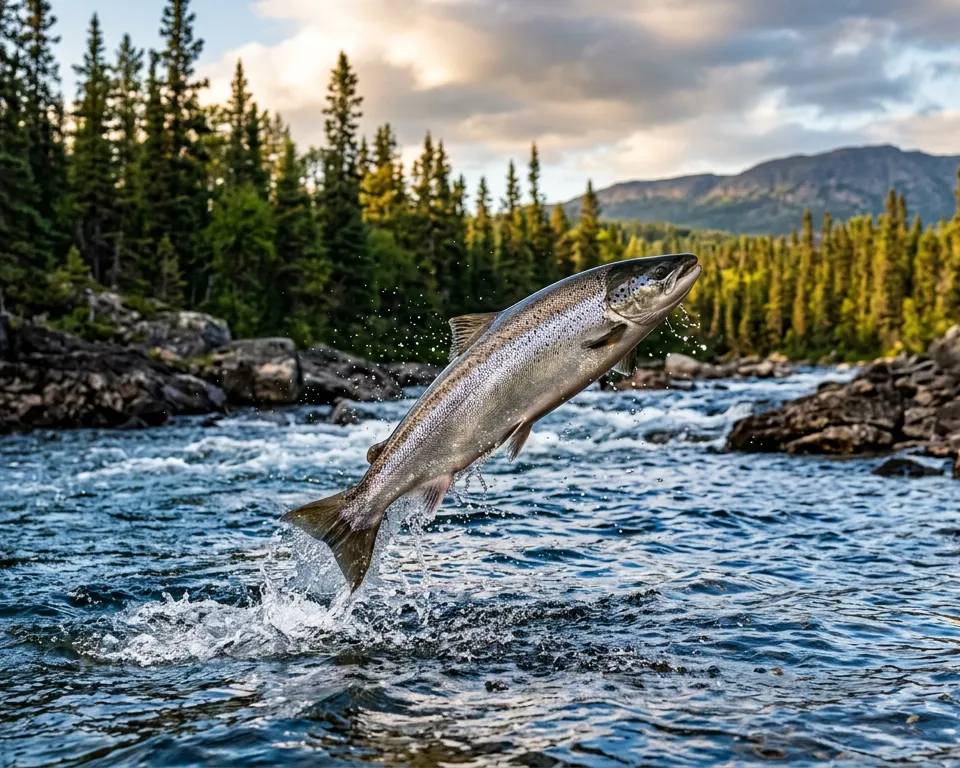
The ouananiche, or landlocked Atlantic salmon, is a legendary fighter that defines the wild character of Canada's North Shore. While biologically identical to the ocean-going Atlantic salmon, this freshwater resident offers a distinct angling experience marked by aerial displays and unrelenting speed. Understanding its habits is key to a successful northern expedition.
A Salmon That Stays Home
The fundamental difference between the Atlantic salmon and the ouananiche lies in their biography rather than their biology. Thousands of years ago, retreating glaciers left certain populations of salmon trapped in inland lakes and river systems. These fish adapted perfectly, finding everything they needed to thrive in freshwater. On the North Shore, this has created a predator that remains silver and aggressive throughout the season, unlike its sea-run cousins that often focus on spawning once they enter rivers. The ouananiche remains a hunter year-round, making it a prime target for sports fishermen.
The Thrill of the Freshwater Fight
What the ouananiche lacks in sheer mass compared to a 30-pound sea salmon, it makes up for in pure tenacity. It is widely considered one of the hardest-fighting freshwater fish pound-for-pound in North America.
- Surface Action. Expect immediate jumps. The ouananiche is famous for clearing the water the moment it feels the tension of the line.
- High-Speed Chases. These fish are built for speed, often hitting lures at high velocities, which results in violent strikes.
- Consistent Feeding. Because they stay in their feeding grounds, they are often more responsive to lures and flies than migrating salmon.
Finding Ouananiche in Northern Waters
Success on the vast lakes of the North Shore requires focusing on high-oxygen areas and baitfish concentrations. Early in the season, look for "wash" areas where wind pushes warmer surface water and nutrients against rocky points. As the season progresses, current breaks and deep channels near river inlets become hotspots. During the heat of summer, these fish retreat to cooler, deeper water, often requiring downriggers or weighted lines to reach the strike zone.
Gear and Tactics for Success
Fly fishermen should lean toward large, flashy streamers that mimic smelt or dace. For those using spinning gear, long, slender spoons in silver, blue, or purple are standard. Trolling is a highly effective method to cover large areas of water, but don't be afraid to cast toward visible structures or boiling water where fish are surfacing. Maintaining a steady, relatively fast retrieve often triggers a predatory response that a slower presentation might miss.
Booking Your North Shore Adventure
Selecting the right outfitter is crucial for accessing the best ouananiche waters on the North Shore. Many outfitters offer remote camps accessible only by floatplane or long boat rides, providing a truly pristine environment. When booking, ask about the best times for surface fishing versus deep trolling to match your preferred style. Most outfitters provide the necessary boats and safety gear, but always check if you need to bring your own specialized tackle for these powerful freshwater residents.
Frequently asked questions
When is the best time to fish for ouananiche on the North Shore?
Early season, from late May to late June, is ideal as fish feed near the surface after ice-out. Fall also offers great activity near river mouths.
Is ouananiche smaller than Atlantic salmon?
Generally yes, as it lacks access to the ocean's abundant food sources. However, a 5 to 8-pound specimen fights as hard as a much larger sea-run salmon.
What type of fly should I use?
Smelt-imitating streamers are most effective. Patterns like the Magog Smelt or muddler minnow imitations work very well in currents.
Do I need a special license for ouananiche?
In Quebec, a regular sport fishing license is sufficient for ouananiche, unlike Atlantic salmon which requires a specific license and tags.
Can you troll for ouananiche?
Yes, it is one of the most popular techniques in lakes. Using a small crankbait or spoon at a speed of 3 to 5 km/h is very productive.