Fishing
Finding Largemouth Bass in the Laurentians
Learn how to spot the warm, weedy habitats of the Laurentians to target largemouth bass, offering a distinct fishing challenge compared to their smallmouth cousins.
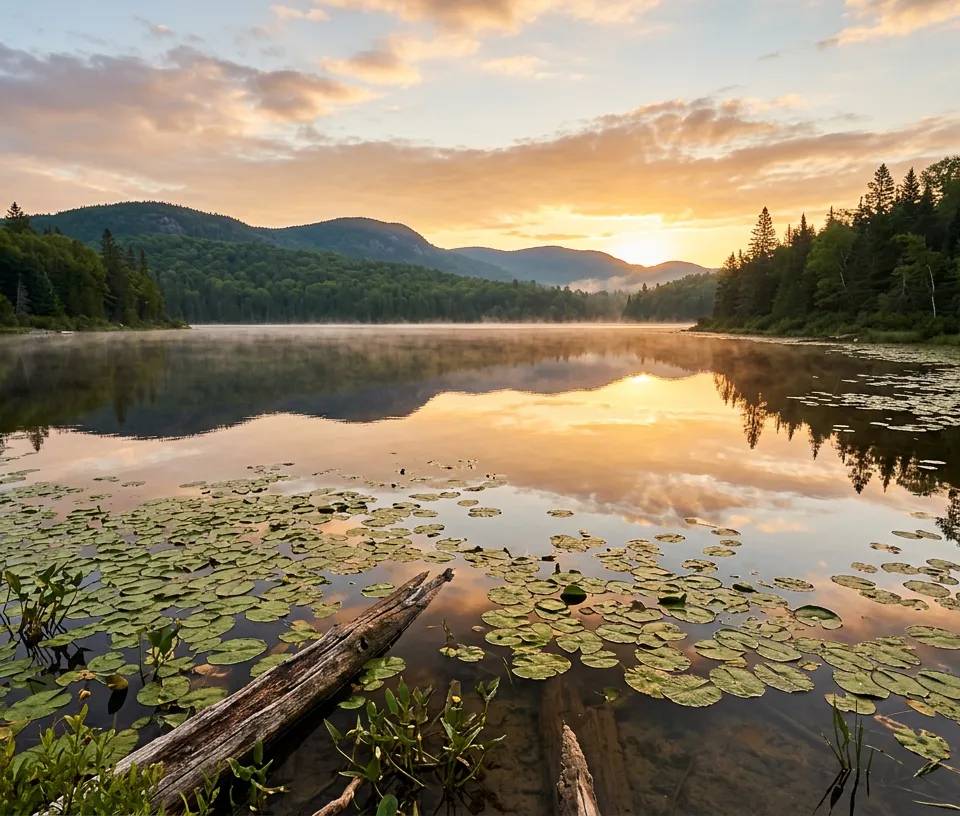
While the smallmouth bass is often associated with the rocky depths of Canadian shields, the largemouth bass thrives in a completely different world. In the Laurentian region, targeting this species means looking for 'slop'—those warm, weedy, and shallow areas that many other game fish avoid. Mastering the art of finding these pockets is the first step toward a successful outing.
Recognizing Productive Warm-Water Habitats
Largemouth bass are heat-seekers. Unlike the cold-water preferences of Brook trout or Lake trout, the largemouth flourishes when water temperatures climb. In the Laurentians, you should focus on protected bays, backwaters, and smaller lakes that are sheltered from heavy winds.
- Water Color. Look for darker, tannin-stained water. These waters absorb heat more efficiently than crystal-clear lakes, creating the warm environment largemouths need.
- Soft Bottoms. While smallmouths love gravel and boulders, largemouths prefer soft, organic bottoms where lilies and reeds can take root.
- Depth Transitions. The best spots are often shallow flats that sit adjacent to slightly deeper channels, providing the fish with easy access to both hunting grounds and safety.
The Green Factor: Fishing the Weeds
If you aren't fishing in the weeds, you aren't fishing for largemouth. These fish are structurally oriented, using dense vegetation like lily pads, milfoil, and cattails as ambush points. In the heart of summer, the thickest weed beds often hold the biggest fish because they provide the best oxygen levels and shade.
Navigating these areas requires specialized gear. Weedless jigs, Texas-rigged worms, and hollow-body frogs are essential tools. There is nothing quite like the adrenaline rush of a five-pound bass exploding through a mat of lily pads to grab a topwater lure. This heavy-cover fishing is a physical, high-energy style of angling that defines the largemouth experience.
Targeting Woody Debris and Shoreline Cover
Beyond the weeds, wood is the secondary king of largemouth habitat. Submerged logs, fallen pines, and beaver lodges are prime real estate. In many Laurentian lakes, the shoreline is littered with timber that provides perfect overhead cover.
Artificial structures like wooden docks and swimming platforms also act as magnets. During the brightest parts of the day, bass will tuck themselves deep into the shadows of these structures. A precise cast that skips a lure under a dock can often result in the biggest catch of the trip. Remember to focus on the shady side of every log or stump you encounter.
Booking Your Laurentian Bass Adventure
Booking an outfitter in the Laurentians ensures you have the right boat and local knowledge to navigate these specific environments. Many outfitters manage private lakes where the largemouth populations are carefully monitored, offering exceptional catch rates and peaceful surroundings.
When choosing your destination, look for outfitters that highlight their 'warm water' species or shallow lake access. Local guides can show you exactly which weed lines are producing and what colors are working best for the current light conditions. Using our directory allows you to filter for the specific amenities you need, from rugged cabins to full-service lodges, ensuring your focus remains entirely on the water.
Frequently asked questions
When is the best time for largemouth bass in the Laurentians?
The period from late June to mid-September is ideal, as water temperatures are at their peak. July and August are particularly productive for fishing in dense weed beds.
Do I need different gear than for smallmouth bass?
Yes, a sturdier rod and braided line are recommended to pull fish out of thick vegetation. Weedless lures, such as frogs or Texas-rigged worms, are essential.
Where do the biggest specimens hide during the day?
Large bass seek shade and protection; they often stay in the heart of the densest weed beds or under structures like docks and fallen trees.
Are largemouth bass found in all Laurentian lakes?
No, they prefer shallower, warmer lakes. Very deep, cold lakes typical of Lake trout habitat are generally not suitable for this species.
What are the best lures for beginners?
A soft plastic worm (like a Senko) rigged weightless or a topwater frog are excellent choices for exploring weedy areas without getting snagged.