Fishing
Cote-Nord Brook Trout: Target Trophy Fish Over High Quantities
Learn how lake depth, remoteness, and management strategies in the Cote-Nord region dictate your chances of landing trophy brook trout exceeding three pounds.
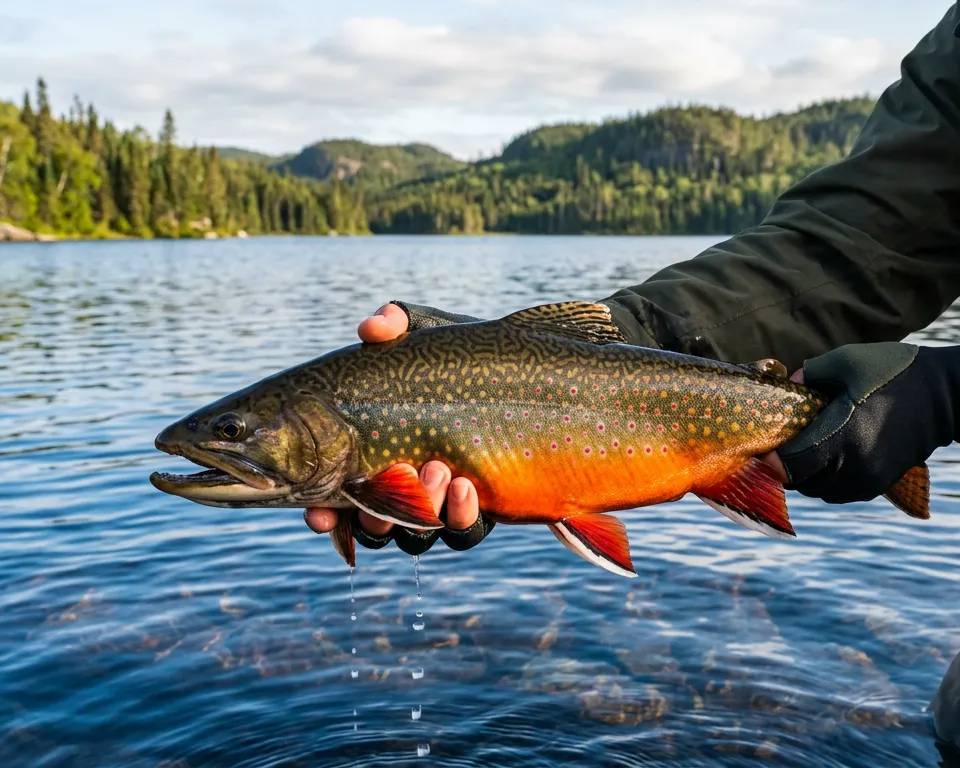
The Cote-Nord region of Canada is world-renowned for its incredible brook trout density. For the seasoned angler, the objective isn't simply to catch fish, but to identify specific water bodies that foster trophy specimens rather than an endless supply of smaller trout. Understanding how lake morphology and management impact growth is key to a successful northern expedition.
Depth and Thermal Refuges
In the harsh climate of the Canadian Shield, water temperature is the primary driver of trout growth. Small, shallow lakes may be productive in the spring, but they often lack the oxygen levels required for large trout to thrive during the summer heat.
- Deep Water Basins. Look for lakes with depths exceeding 40 feet. These deep pockets act as thermal refuges where large brookies can maintain a slow metabolism and survive for many seasons.
- Oxygen Availability. Cold, deep water holds more oxygen, which is essential for the survival of brook trout weighing three to five pounds.
The Advantage of Remoteness
Pressure is the enemy of size. In Cote-Nord, the most exceptional fishing is found in territories that are difficult to access. Brook trout grow slowly in northern waters, taking several years to reach substantial weights.
- Low Harvest Rates. Outfitters located far from major highways or accessible only by floatplane maintain a population of older, larger fish simply because fewer lures pass through the water.
- Aggressive Behavior. In remote lakes, large trout are less wary, making them more likely to strike a well-placed fly or spoon compared to fish in heavily pressured southern waters.
Forage Base and Ecosystem Balance
Size isn't just about age; it's about calories. A lake's ability to produce giants depends heavily on what the trout are eating.
- Piscivorous Diet. Once a brook trout reaches a certain size, it can no longer sustain itself on insects alone. It must transition to eating other fish, such as sticklebacks or minnows.
- Intermediate Lake Size. While massive lakes hold big fish, medium-sized lakes (1 to 2 miles in length) are often more productive for anglers because the trout are concentrated in predictable structures like shoals and creek mouths.
Outfitter Management Strategies
The best trophy destinations are those where the outfitter actively manages the resource. Conservation-minded policies are a clear indicator of a high-quality fishery.
- Lake Rotation. Inquiring if an outfitter rotates their lakes—giving certain waters a "rest" period—is a great way to ensure you are fishing a healthy population.
- Strict Catch Limits. Outfitters who implement "catch and release" for large specimens or reduced daily limits are protecting the very trophies you are traveling to find.
Finding and Booking Your Trophy Trip
Start by browsing our directory for outfitters in the Cote-Nord region and look for those specializing in brook trout. When contacting them, ask specifically about their "trophy lakes" and what size fish have been recorded in the past three seasons. Booking well in advance is crucial, as the top-tier remote camps often fill their slots a year ahead. Confirm your travel logistics, whether it involves a bush flight from Sept-Iles or a rugged drive into the interior, to ensure your gear matches the adventure.
Frequently asked questions
When is the best time for large brook trout in Cote-Nord?
Early June, just after ice-out, and mid-September are the ideal times. This is when large spawners move to shallower areas to feed or prepare for spawning.
Does a larger lake always mean bigger fish?
Not necessarily. While large lakes offer more space, it is deep lakes with a solid forage base (minnows) that produce the largest specimens, regardless of total surface area.
Is it necessary to fly in to find trophies?
Flying in guarantees minimal fishing pressure, which significantly increases your chances. However, some outfitters with exclusive road access and strict management also offer excellent results.
What gear should I prioritize for trophy trout?
Use larger lures like 3 to 4-inch spoons or articulated streamers to attract piscivorous fish. A medium-power, fast-action rod is recommended to properly hook large brookies.
What is the average size of a trophy trout in Cote-Nord?
While 12-inch trout are common, a specimen is considered a trophy starting at 18-20 inches, often weighing between 3 and 5 pounds in remote areas.