Fishing
Brook Trout Fishing in Quebec: Tips and Techniques
Discover how to succeed on your next Brook trout trip in Quebec with expert advice on prime habitats, proven lures, and unforgettable outfitter stays.
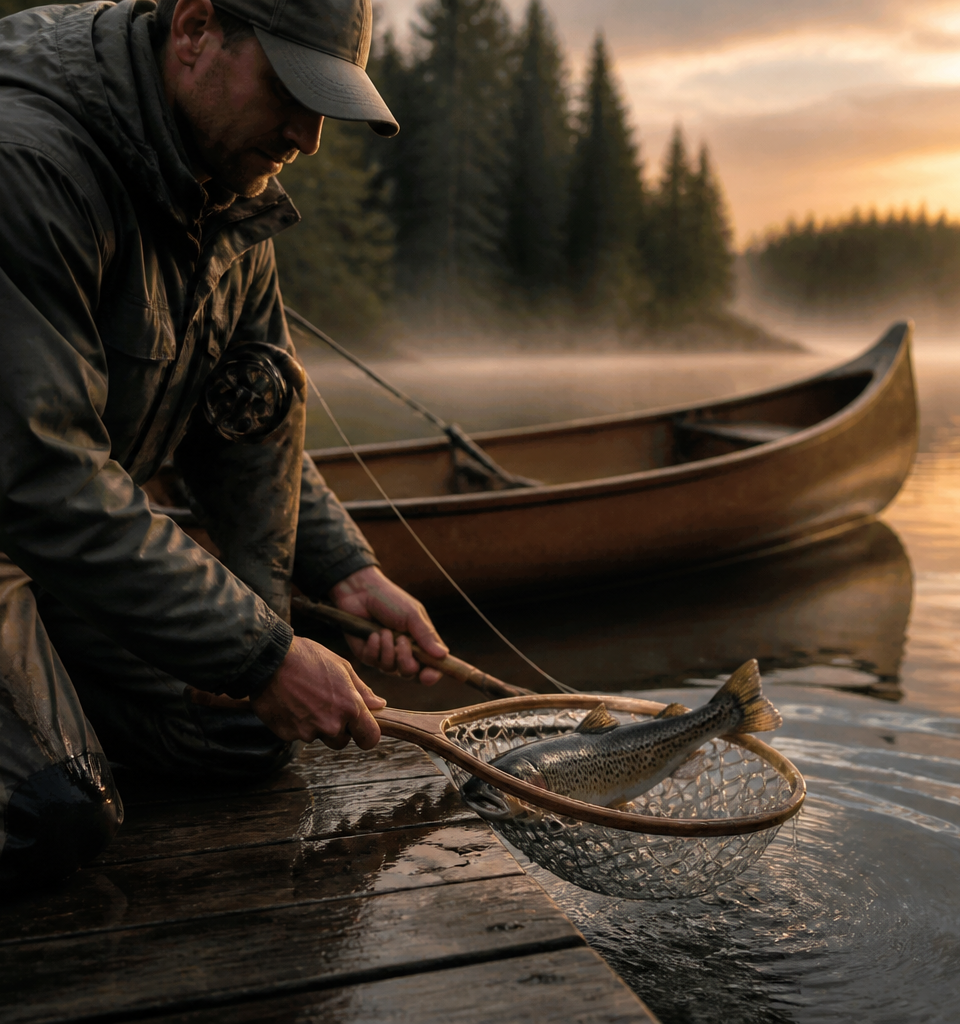
Key takeaways
- The active season generally runs from late April through mid-September, peaking right after ice-out in spring.
- This native char thrives in cold, clear, well-oxygenated headwater lakes and boreal rivers across the Canadian Shield.
- Slow-trolling a flutter spoon paired with a live worm remains the most reliable and productive traditional method.
- Every angler must hold a valid provincial sportfishing licence and adhere to zone-specific catch and possession limits.
- Run a stealthy fluorocarbon leader to outsmart trophy brookies in crystal-clear water.
Identifying Brook trout on your fishing trips
Brook trout, also known as speckled trout or squaretail (*Salvelinus fontinalis*), stand out immediately by their dark olive to black flanks covered in light vermiculations and vibrant red spots ringed with pale blue halos. Their lower fins—pectoral, pelvic, and anal—display a brilliant orange or reddish hue edged with a crisp, snow-white leading band backed by a distinct black stripe. A sleek, streamlined body and a nearly square caudal fin set them apart from other salmonids found in Quebec waters.
A look inside their wide mouth lined with sharp teeth reveals an aggressive, opportunistic feeder. Body coloration varies noticeably depending on the habitat: fish dwelling in shaded wilderness creeks sport breathtakingly vivid hues, while open-water specimens in deep lakes lean toward lighter, silvery tones. Come autumn, spawning males undergo a dramatic transformation, developing fiery crimson bellies and a pronounced kype on the lower jaw.
Brook trout habitat in Quebec
Brook trout thrive primarily in cold, pristine, and well-oxygenated waters throughout Quebec's boreal and mixed-wood forests. This iconic species inhabits high-gradient mountain streams, moderate-flow rivers, and the endless lake networks across the Canadian Shield. They require water temperatures to remain below eighteen degrees Celsius to sustain healthy metabolic activity and feed effectively.
In Quebec lakes, brookies hold tight to structure: boulder-strewn shorelines, submerged points, emerging weedbeds, and cold-water tributary mouths. Once the summer heat warms the upper water column, they retreat into the thermocline or congregate around underwater springs and deep seeps. Anglers exploring new territory will find that checking out 8 outfitters for Brook trout fishing offers a great look at the exceptional aquatic habitats hidden across the backwoods.
Seasonal Brook trout behaviour patterns
Water temperature and food availability dictate Brook trout behaviour throughout the open-water season. In spring, right after ice-out, trout abandon the winter depths to cruise shallow bays warmed by the early sun. They feed heavily on emerging aquatic insects, baitfish, and leeches to rebuild energy reserves drained during the long winter.
As summer progresses and lakes stratify thermally, brookies shift deeper. Daytime action slows considerably, concentrating around first light and dusk when cooler temperatures draw fish toward the surface. By late summer and early autumn, spawning instincts trigger mature trout to school near clean gravel beds, typically in flowing tributaries or shallow wind-swept shoals.
When to fish for Brook trout in Quebec?
Spring remains the premier window to target Brook trout across Quebec. During the four to six weeks following ice-out, strikes are explosive and fish hold within easy casting distance from shore. It is the best time of year to work topwater patterns or fish shallow presentations with consistent success.
Summer demands more technical finesse and patience, but rewarding catches await anglers who target deep, cold holding pools and dial in presentation depths. Fall brings a surge of aggression ahead of the spawn, delivering thrilling fights set against the brilliant foliage of the Laurentian forest. For hunters and anglers planning a cast-and-blast getaway, early autumn pairs seamlessly with a complete guide to grouse hunting in Quebec for a full wilderness experience.
How to find Brook trout in lakes and rivers?
Locating Brook trout comes down to finding structure that combines overhead cover with a steady food supply. Fallen timber, submerged log jams, and steep rocky drop-offs serve as classic ambush stations for hefty fish. Windward shorelines naturally push drifting insects against the bank, attracting cruising trout looking for an easy meal.
A quality fish finder helps pinpoint the thermocline and track the dividing line between warm and cold water layers. On rivers, focus on current seams, pocket water behind boulders, deep eddy pools, and shaded stretches under overhanging branches. Any inflow delivering cold, oxygen-rich water—such as a small feeder creek or waterfall—warrants thorough, methodical casts.
Best techniques for catching Brook trout
Slow-trolling a lightweight spoon trailed by a fluorocarbon leader and a piece of nightcrawler remains a time-tested staple across Quebec. Broad, thin spoons generate strong thumps and light flashes that draw char from a distance. An erratic trolling speed punctuated by sharp turns and brief pauses frequently triggers impulse strikes from trailing fish.
Light spin-casting with small minnow plugs or in-line spinners produces dependable results along shorelines, weed edges, and rocky shoals. Fly anglers typically run baitfish-imitating streamers in the spring, switching to weighted nymphs and dry flies during mayfly and caddis hatches in May and June. Adjusting retrieve cadence and working different depths will quickly reveal the day's winning pattern.
Choosing the right Brook trout fishing gear
A light to medium-light graphite spinning rod between six and six-and-a-half feet is ideal for this fishery. Match it with a 1000 to 2500 series spinning reel spooled with six- to eight-pound monofilament or thin braided mainline tipped with an invisible fluorocarbon leader. A responsive, forgiving rod tip absorbs sharp headshakes and acrobatic runs without tearing the fish's soft jaw.
Stock your tackle box with classic spoons in copper, brass, and silver finishes accented with orange, red, or blue patterns. Quality ball-bearing swivels are essential to eliminate line twist during extended trolling runs. Fly fishers generally opt for a 9-foot 4- to 6-weight outfit paired with floating and sinking-tip lines, backed by an assortment of wet flies, weighted nymphs, and classic dries.
Brook trout fishing regulations in Quebec
Sportfishing in Quebec is strictly managed across designated fishing zones. Every angler must hold a valid provincial sportfishing licence and follow daily catch and possession limits. Certain waters enforce special regulations, such as mandatory single barbless hooks or restrictions against using live or dead natural baits.
Handling fish responsibly preserves the resource, especially when practicing catch-and-release. Wet your hands before touching any fish to safeguard its protective slime layer, keep air exposure to a minimum, and remove hooks quickly with long-nose pliers. For current zone boundaries and specific waterbody rules, visit the official Government of Quebec (hunting and fishing) website. Regulations change annually: always verify applicable limits and seasons with official authorities before heading out.
Conservation and the future of wild Brook trout
Brook trout serve as a vital bio-indicator of watershed health and forest ecosystem integrity. Their low tolerance for warm water, acidification, and siltation caused by shoreline erosion makes them especially vulnerable to habitat changes. Protecting mature riparian zones and preserving clean headwaters remain critical to keeping wild populations thriving.
Sustainable management relies on sensible harvest limits, safeguarding spawning beds, and preventing the spread of invasive species that outcompete native char for food and territory. Anglers contribute directly by harvesting with restraint, handling releases with care, and supporting local conservation efforts. Protecting these headwater lakes ensures future generations can experience the thrill of catching wild Quebec brookies.
Booking a Brook trout fishing trip in Quebec
Booking a stay at a fishing outfitter is the ultimate way to enjoy productive, hassle-free angling in pristine wilderness. Outfitters operate on carefully managed, often exclusive territories that limit fishing pressure and maintain high catch quality across dozens of backcountry lakes. Accommodations range from fully equipped, remote housekeeping cabins to full-service American plan lodges with on-site dining.
Hiring an experienced local guide can turn a great trip into an unforgettable one thanks to their intimate knowledge of productive shoals, seasonal depths, and hot lures. Whether you are exploring renowned Laurentian waters or looking for 2 outfitters to discover in Mauricie, the selection of lodges is vast and dependable. Most packages include boats, outboards, and access fees for complete peace of mind.
To plan your next backcountry adventure and browse top-rated Quebec fishing outfitters, visit MyOutfitters today to compare packages and book the perfect outdoor getaway with family or friends.
Frequently asked questions
When does Brook trout season open in Quebec?
Brook trout season generally opens between late April and mid-May, depending on the fishing zone. Exact opening dates depend on spring ice-out and annual provincial regulations.
What is the best time of year to fish for Brook trout?
The four to six weeks following spring ice-out provide the fastest action of the year. Surface waters stay cold, and hungry trout actively cruise shallow shorelines and rocky points.
What is the most effective lure for Brook trout?
A classic metal flutter spoon trailing a leader and a live nightcrawler remains the most proven presentation. Small minnow-style stickbaits, in-line spinners, and streamers also produce consistent results.
What depth should I target for Brook trout in summer?
During peak summer, target depths between 15 and 30 feet to reach cold, oxygenated water. Using bottom bouncers, sinking fly lines, or downriggers is often necessary to get lures down to holding fish.
Do I need a special licence to fish at an outfitter?
You only need a regular Quebec provincial sportfishing licence. No extra provincial permit is required, though you must pay applicable outfitter package or access fees.
How many Brook trout can you keep per day in Quebec?
Daily limits generally range from 5 to 20 trout depending on the fishing zone and specific waterbody management rules. Always verify the precise catch and possession limits for your destination zone before fishing.
What rod setup is best for Brook trout?
A 6- to 6.5-foot light or medium-light graphite spinning rod is ideal. It provides the sensitivity needed to feel subtle takes while offering enough flex to handle active headshakes without pulling hooks.
Where can you find the biggest Brook trout in Quebec?
Northern regions including Côte-Nord, Saguenay–Lac-Saint-Jean, Nord-du-Québec, and the Laurentides Wildlife Reserve consistently produce trophy brookies. Remote, sustainably managed waters yield the heaviest specimens.
How do you tell a Brook trout from a Rainbow trout?
Brook trout feature light vermiculations and red spots on a dark body, plus bold white leading edges on their lower fins. Rainbow trout have dark spots scattered across a silvery-light body and lack white fin margins.
Can you fly fish for Brook trout anywhere in Quebec?
Yes, fly fishing is permitted across most public and outfitter waters, with certain designated rivers and pools reserved exclusively for fly tackle. It is exceptionally effective during spring and summer insect hatches.